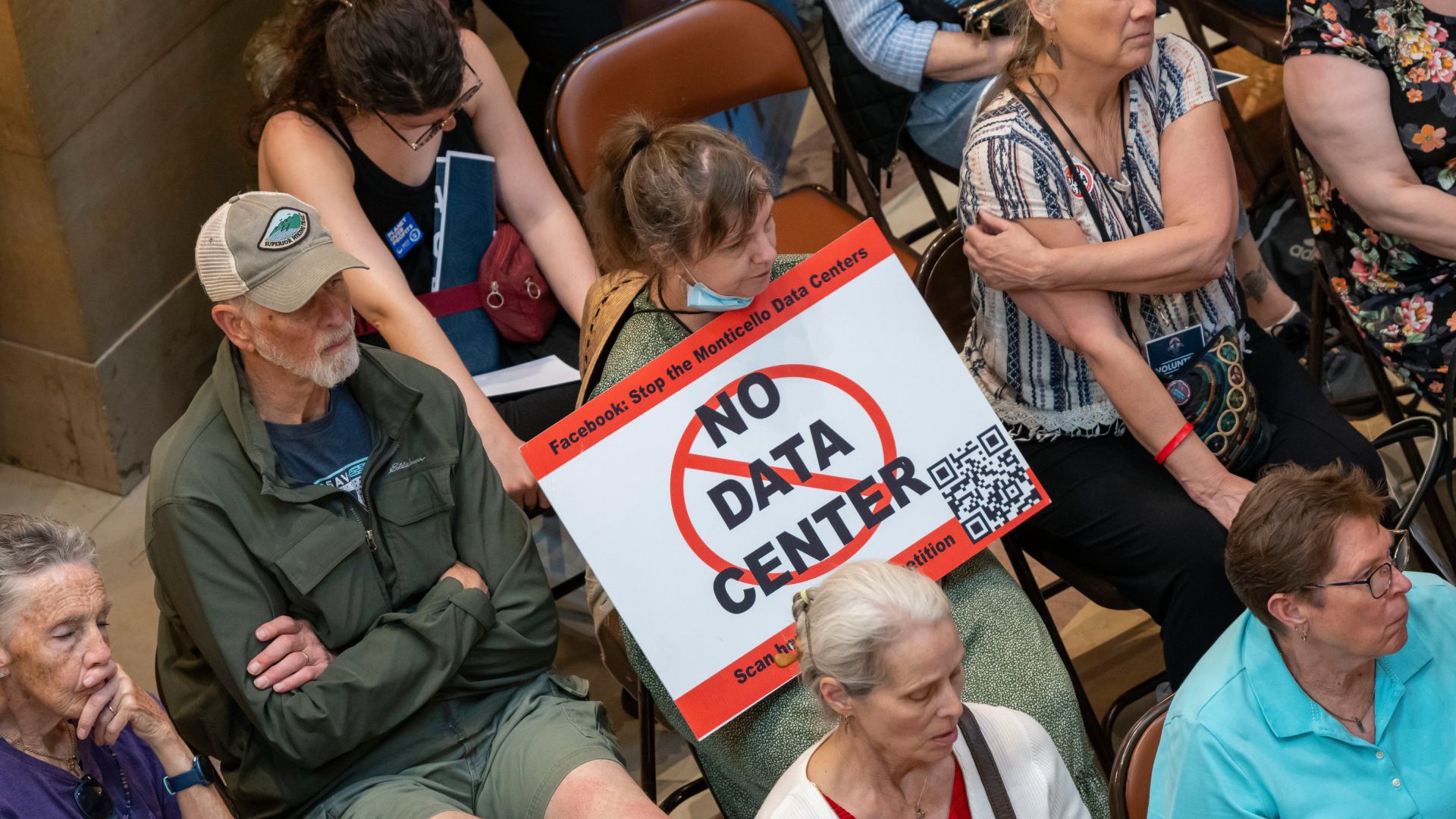
Project Collapse After Years of Opposition
Blackstone-owned QTS has officially withdrawn its final appeal, effectively ending the ambitious 22-million-square-foot Digital Gateway data center campus planned for Virginia. The decision brings to a close years of legal battles and community opposition that have stalled the project. The 2,100-acre site, intended to be the world’s largest data center campus, will now likely remain undeveloped by QTS, representing a significant setback for the company and its investors, including private equity giant Blackstone.
The Digital Gateway project, first proposed in 2019, aimed to transform a vast tract of land in Northern Virginia into a colossal hub for digital infrastructure. Proponents highlighted the potential for job creation and economic development, positioning it as a critical component for the region’s burgeoning tech sector, particularly in the age of AI and increased demand for cloud computing power. However, the project immediately faced fierce resistance from local residents and environmental groups concerned about its scale, environmental impact, and the potential strain on local resources.
The Legal Quagmire
The path to development was fraught with legal challenges. Opponents argued that the project’s approval process was flawed, citing inadequate environmental reviews and a lack of transparency. Lawsuits were filed, alleging that QTS and local authorities failed to adhere to proper procedures, particularly concerning public notice requirements. One of the most persistent criticisms revolved around the adequacy of public notification for key zoning and approval hearings. Critics contended that the notices, often published in local newspapers, were insufficient to inform the broader community of the project's scope and potential impacts.
This technicality, regarding the precise method and reach of public notification, became a central pillar of the legal opposition. While QTS and its supporters argued that all legal requirements were met, the persistent challenges meant that the project was perpetually tied up in court. The lengthy legal process not only delayed construction but also significantly increased the project’s overall cost and uncertainty. For a project of this magnitude, requiring immense upfront capital investment and long-term planning, such protracted legal battles create an untenable environment.

QTS and Blackstone's Strategic Shift
The decision to abandon the project signals a potential shift in strategy for QTS and its parent company, Blackstone. QTS, a major player in the data center industry, has historically pursued large-scale developments. Blackstone, one of the world's largest alternative investment firms, has been a significant investor in digital infrastructure, recognizing its long-term growth potential. However, the Virginia Digital Gateway faced unique headwinds that may have outweighed its strategic advantages.
The sheer scale of the project, while intended to capitalize on demand, also amplified the concerns of its detractors. Building the world's largest data center campus is not merely an engineering feat; it is an undertaking that requires seamless integration with local communities, regulatory bodies, and environmental considerations. When these elements become insurmountable obstacles, even the most ambitious projects must be re-evaluated. The withdrawal of the final appeal indicates that QTS and Blackstone have concluded that further pursuit of this specific site is no longer viable.
Broader Implications for Data Center Development
The collapse of the Digital Gateway project highlights several critical trends and challenges facing the data center industry, particularly in hyper-growth regions like Northern Virginia. Firstly, it underscores the increasing importance of community engagement and transparent approval processes. As data centers become larger and more pervasive, public scrutiny is intensifying. Companies must proactively address concerns about energy consumption, water usage, and environmental impact to secure social license to operate.
Secondly, the case serves as a stark reminder of the legal and regulatory risks inherent in massive infrastructure projects. A single technicality, if exploited through prolonged litigation, can derail even the most well-funded and strategically important developments. This emphasizes the need for meticulous due diligence and robust legal preparedness from the outset. For developers, it’s not enough to have the capital and the technical expertise; navigating the complex web of local ordinances and public opinion is equally crucial.
Finally, the incident may prompt a re-evaluation of how large-scale data center development is planned and executed. While the demand for data center capacity, fueled by AI, cloud migration, and digital transformation, remains robust, the ‘bigger is always better’ approach might face limitations. Future projects could see a greater emphasis on distributed development, modular construction, or more intensive community consultation phases. The Virginia Digital Gateway’s demise is not just the end of one project; it’s a data point in the ongoing evolution of digital infrastructure deployment, teaching valuable lessons about the interplay between technological ambition and societal acceptance.
What remains unanswered is the future of the 2,100 acres of land. Without QTS’s ambitious plans, its ultimate use is now uncertain, leaving a void where a technological titan was intended to rise. The land, once earmarked for unparalleled digital capacity, now faces an unknown destiny.