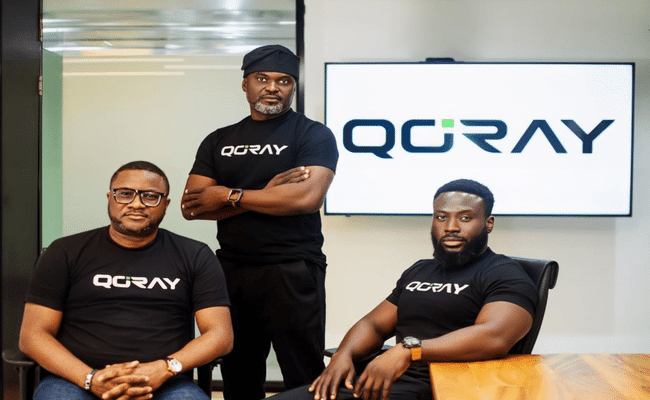
QORAY Mobility & Energies Establishes Founding Leadership
QORAY Mobility & Energies Ltd (QORAY), a new entrant in the clean energy and mobility sector, has formally announced its founding executive team. This strategic unveiling signals the company's readiness to enter the market and pursue its mission of driving sustainable solutions in energy and transportation.
While specific details regarding QORAY's product roadmap or immediate market entry strategy remain under wraps, the announcement of its core leadership is a critical first step. A strong executive team is the bedrock of any new venture, particularly in complex and rapidly evolving industries like clean energy and electric mobility. These sectors demand a blend of technical expertise, market understanding, regulatory navigation, and visionary leadership.
The composition of QORAY's founding team is expected to reflect the multifaceted challenges and opportunities inherent in its stated focus areas. The clean energy space requires deep knowledge of power generation, grid integration, battery technology, and renewable sources like solar and wind. Simultaneously, the mobility sector, especially with the surge in electric vehicles (EVs), necessitates expertise in automotive engineering, charging infrastructure, software development for connected vehicles, and consumer adoption trends.
The Significance of a Founding Executive Team
Formally introducing an executive team serves multiple purposes for a nascent company like QORAY. Firstly, it builds credibility with potential investors, partners, and early employees. A well-qualified leadership team demonstrates that the company has attracted top talent, which is often a key indicator of future success. Investors, in particular, scrutinize the experience and track record of the people at the helm as much as the business plan itself. A team that has previously navigated the complexities of scaling technology companies or launching new products in regulated markets can significantly de-risk an investment.
Secondly, it clarifies the company's strategic direction and operational focus. Each executive typically brings a specific area of expertise—be it finance, operations, technology, marketing, or business development. The defined roles and responsibilities of these individuals signal how QORAY intends to tackle its market objectives. For instance, the appointment of a Chief Technology Officer (CTO) with experience in battery management systems would strongly suggest a focus on innovative EV battery solutions, while a Chief Operations Officer (COO) with a background in supply chain logistics might indicate an emphasis on efficient manufacturing and distribution.
Thirdly, it fosters internal alignment and external communication. Having a defined leadership structure ensures that decision-making processes are clear and that the company can present a unified front to the public. This is crucial for building a strong brand identity and managing stakeholder expectations. As QORAY prepares to launch its products or services, the public faces of the company will be its executives, and their collective vision will shape the narrative.
Navigating the Clean Energy and Mobility Landscape
The convergence of clean energy and mobility is one of the defining technological and economic shifts of the 21st century. Electric vehicles, powered by renewable energy sources, are central to decarbonization efforts globally. However, the path to widespread adoption is fraught with challenges. These include the cost and availability of battery materials, the development of robust and accessible charging infrastructure, grid capacity to handle increased demand, and consumer acceptance driven by factors like range anxiety and charging times.
QORAY's success will depend on its ability to address these complex interdependencies. A company focused on both energy and mobility likely aims to create integrated solutions. This could involve developing advanced battery technologies that improve EV performance and longevity, creating smart charging solutions that optimize energy use and grid stability, or even exploring novel energy storage systems that can be deployed alongside EV charging networks. The specific contributions of each executive will be vital in charting this course.
Consider the analogy of building a sophisticated smart city. You wouldn't just need engineers who understand traffic flow; you'd also need experts in power grids, data analytics for real-time management, urban planning, and public policy to ensure everything works in harmony. QORAY's executive team must embody this multidisciplinary approach to succeed in the interconnected world of energy and mobility.
Looking Ahead: QORAY's Market Entry
The formal introduction of the founding executive team is a precursor to QORAY's more substantive market activities. The next steps will likely involve detailing its product offerings, securing further funding rounds to support development and scaling, forging strategic partnerships, and initiating go-to-market strategies. The capabilities and collective experience of this leadership group will be under scrutiny as QORAY progresses.
What remains to be seen is how QORAY's executive team will differentiate itself in a crowded marketplace. Numerous startups and established automotive and energy giants are vying for dominance in the clean energy and mobility sectors. QORAY's ability to carve out a unique value proposition and execute effectively will be the ultimate determinant of its long-term viability. The strength of its leadership is the first, but far from the only, indicator of its potential.