Key Module Updates in June 2026
Puppetlabs issued 24 module releases in June 2026, consolidating significant updates and new functionalities for its user base. The releases span critical areas such as security, compliance, and core system management, with a particular emphasis on Windows environments and addressing a backlog of third-party Common Vulnerabilities and Exposures (CVEs).
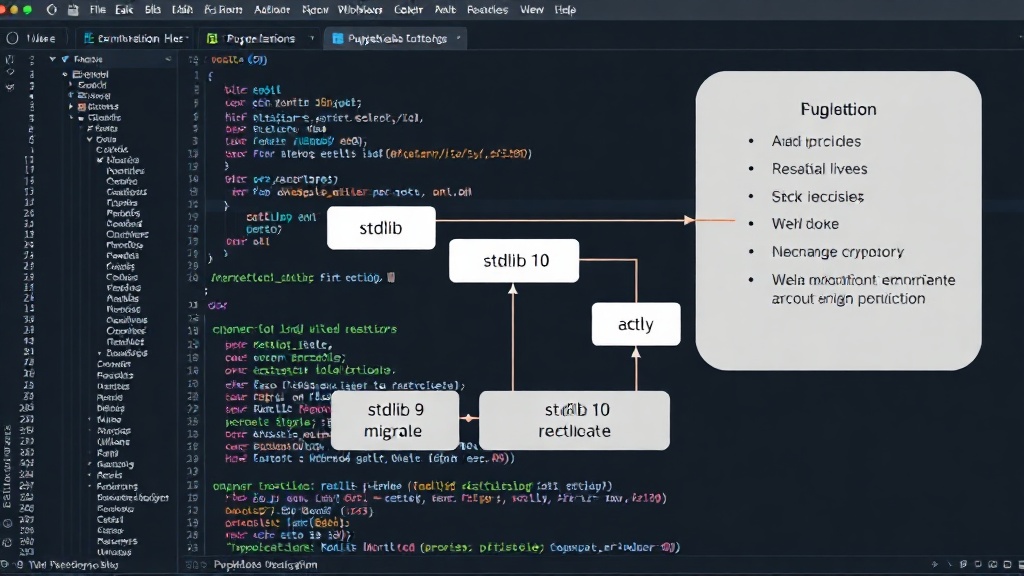
Central to this month's releases is the introduction of stdlib 10, a foundational library that underpins many of Puppet's core functionalities. Numerous modules have been updated to leverage this new version, ensuring greater stability, performance, and access to newer features across the Puppet ecosystem. This migration to stdlib 10 is a significant undertaking, simplifying future development and providing a more robust platform for configuration management.
New Module: Windows Local Security Policy Management
A standout addition is the new security_policy module, designed to streamline the management of Windows local security policies. Previously, administrators relied on manual configuration through tools like secedit or the Local Security Policy editor. This new module, built using the Puppet Resource API, offers a declarative and automated approach. It introduces the security_option resource type, allowing users to define and enforce specific security settings for individual Windows machines.
This module directly addresses the need for consistent and auditable security configurations on Windows servers and workstations. By integrating security policy management into Puppet's existing workflows, organizations can ensure compliance with security best practices and regulatory requirements more effectively. The declarative nature means that the desired state of security policies is defined in code, and Puppet ensures that the system adheres to that state, reverting any unauthorized changes.
Security Compliance and CVE Remediation
A substantial portion of the June releases focused on enhancing the Security Compliance Management suite. This involved a large batch of updates to address third-party CVEs across various modules. These updates are crucial for maintaining a secure infrastructure, as they patch known vulnerabilities in software components managed by Puppet. The proactive remediation of these CVEs helps organizations reduce their attack surface and prevent potential security breaches.
The Security Compliance Management modules provide frameworks for defining and enforcing security baselines. By updating these modules, Puppetlabs is equipping users with the tools to quickly and efficiently patch identified vulnerabilities. This is particularly important in today's threat landscape, where rapid response to new CVEs is essential. The integration of these fixes into the Puppet Forge makes it straightforward for users to apply the necessary patches through their existing Puppet infrastructure.
Other Notable Module Updates
Beyond the headline features, several other modules received significant updates. These range from improvements in networking and system administration modules to enhancements in cloud-specific integrations. Each update aims to improve functionality, performance, and compatibility with the latest operating system versions and related technologies. For instance, updates to modules managing common services like Apache, Nginx, or databases often include optimizations and new configuration options that reflect evolving best practices.
The widespread adoption of stdlib 10 means that many modules, even those not explicitly highlighted, benefit from the underlying improvements. This includes enhanced error handling, better performance, and a more consistent developer experience for those contributing to or extending Puppet modules. The release cycle demonstrates Puppetlabs' commitment to maintaining a robust and up-to-date portfolio of modules, supporting a wide array of infrastructure management needs.
For users managing complex environments, these consolidated releases simplify the update process. Instead of tracking individual module changelogs, this roundup provides a central point to identify the most impactful changes. The focus on security and foundational libraries like stdlib signals a strategic direction towards strengthening the core of the Puppet platform while ensuring rapid response to emerging threats and user needs.
The sheer volume of updates, 24 in total, underscores the active development and maintenance of the Puppet module ecosystem. This continuous improvement cycle is vital for organizations relying on Puppet for their infrastructure automation, providing them with the tools to adapt to changing technological landscapes and security imperatives.