Pollen Addresses E-Motorcycle Charging Bottleneck

Pollen, a European startup, is tackling a significant hurdle for electric motorcycle adoption: charging time. While electric cars have seen widespread adoption, electric two-wheelers have lagged, partly due to the inconvenience of long charging periods and the scarcity of dedicated charging infrastructure. Pollen's solution is an automated, network-based battery swapping system designed to make refueling an electric motorcycle as fast and convenient as refueling a traditional gasoline-powered one. The company's strategy focuses on creating a seamless experience for riders. Instead of waiting hours for a battery to recharge, riders can visit a Pollen swap station and exchange their depleted battery for a fully charged one in a matter of minutes. This approach directly addresses range anxiety and the time commitment often associated with electric vehicle ownership, particularly for urban commuters and delivery services that rely on quick turnarounds. This initiative arrives at a critical juncture for urban mobility. Cities worldwide are pushing for electrification to combat air pollution and reduce noise levels. Electric motorcycles and scooters offer a compelling solution for congested urban environments, combining zero-emission travel with agility. However, the practicalities of charging have remained a significant barrier. Pollen's network aims to dismantle this barrier by providing a scalable and efficient infrastructure.

The Technology Behind the Swap Network

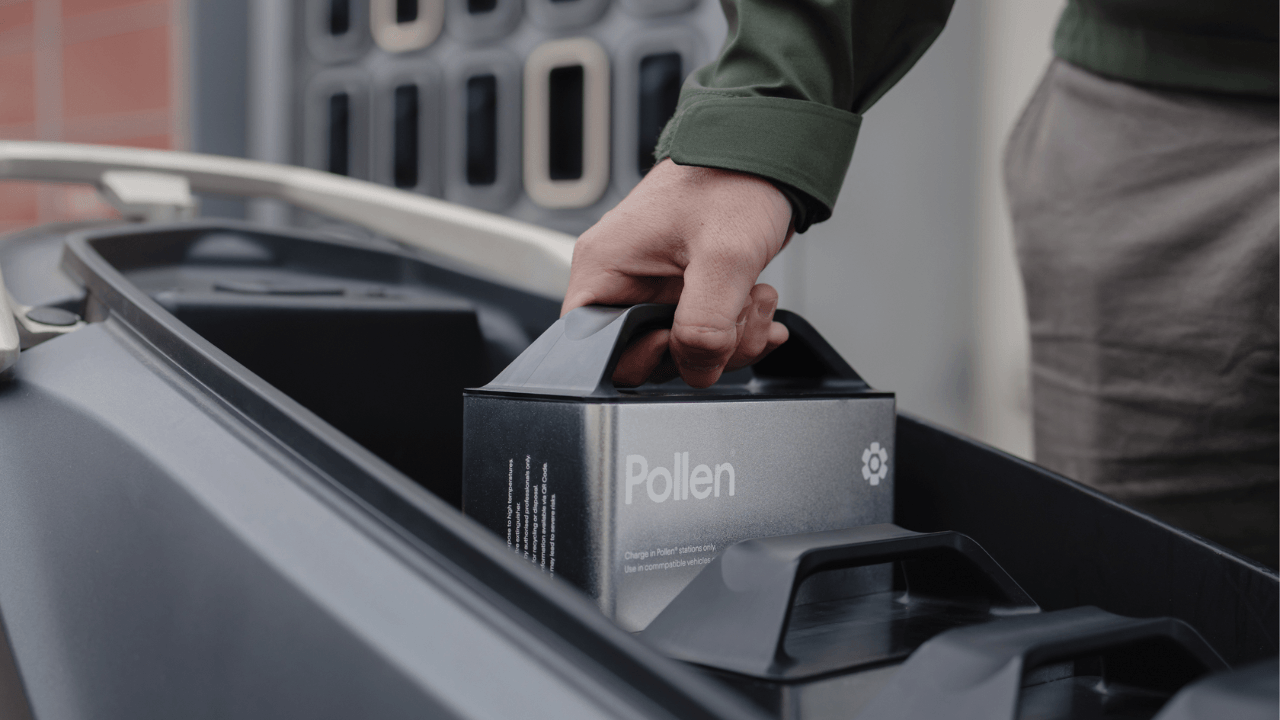
Pollen's battery swapping stations are engineered for speed and automation. The core of the system involves standardized battery packs that are compatible with a growing range of electric motorcycle models from various manufacturers. This standardization is key to building a robust network; it means riders aren't locked into a single brand's ecosystem and can benefit from a wider availability of swap stations. At a Pollen station, a rider pulls up their motorcycle, which is equipped with a Pollen-compatible battery. The station's automated system then retrieves the depleted battery and replaces it with a fully charged unit. The entire process is designed to take under two minutes. This efficiency is crucial for commercial users, such as food delivery riders or couriers, who require minimal downtime to maximize their operational hours. The batteries themselves are high-density lithium-ion units, optimized for rapid charging and discharging cycles. Pollen manages the entire lifecycle of these batteries, including their charging, maintenance, and eventual recycling. This holistic approach ensures the sustainability of the network and provides riders with reliable, high-performance power sources.
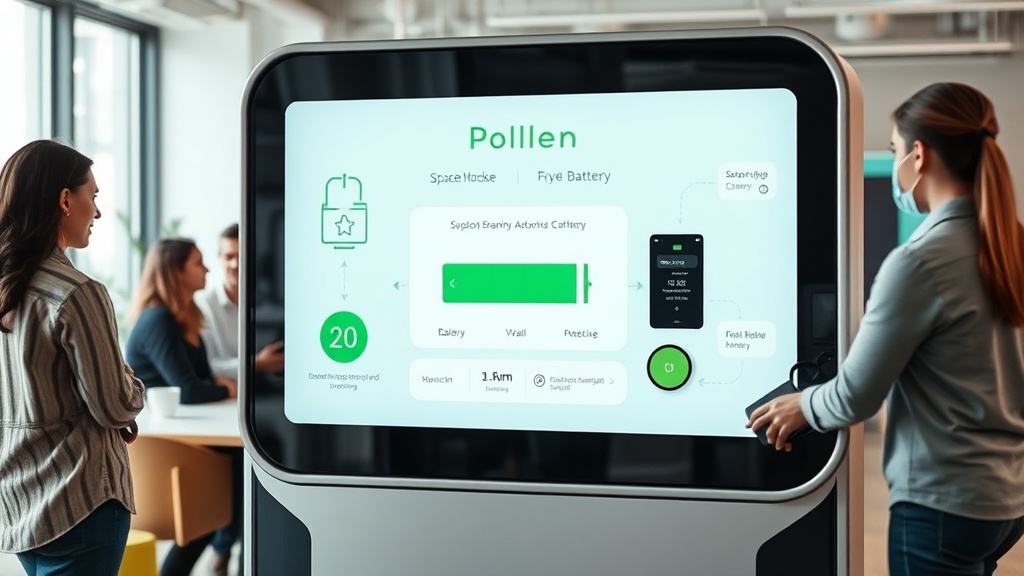
An automated Pollen battery swapping station interface showing a successful battery exchange.
The network's intelligence lies in its software platform. This platform manages battery inventory across all stations, predicts demand, and optimizes charging schedules to ensure a continuous supply of fully charged batteries. It also provides riders with real-time information on station locations and battery availability via a mobile application, akin to how gas station locators function for traditional vehicles.

Market Impact and Future Expansion

Pollen's ambition extends beyond simply providing a service; it aims to catalyze the broader adoption of electric motorcycles. By removing the charging inconvenience, Pollen makes electric two-wheelers a more practical and attractive option for a wider demographic. This could significantly impact urban transport, leading to cleaner air and quieter streets. The company is strategically targeting major European cities first, where the demand for efficient urban mobility solutions is highest and regulatory support for electrification is strong. Initial deployments are expected in cities with dense populations and a high concentration of motorcycle and scooter usage. Pollen plans to partner with motorcycle manufacturers to ensure seamless integration of their battery systems and with fleet operators to drive early adoption. The surprising detail here is not just the technology itself, but Pollen's focus on interoperability. By not tying themselves to a single OEM, they are building a neutral infrastructure that can serve multiple brands, a strategy that has proven successful in the electric car charging space. This open approach is likely to accelerate the growth of their network and the adoption of electric motorcycles across the board. Pollen's business model likely involves a subscription service for riders or fleet operators, providing unlimited battery swaps for a monthly fee. This predictable revenue stream, combined with the inherent scalability of the network, positions the company for significant growth as the electric two-wheeler market matures.

Challenges and Opportunities Ahead

While Pollen's vision is compelling, challenges remain. The primary one is the significant capital investment required to build out a widespread network of swap stations and procure a large fleet of batteries. Ensuring the long-term safety and reliability of the automated swapping mechanism under various weather conditions will also be critical. Furthermore, establishing partnerships with a diverse range of motorcycle manufacturers will be essential for the network's success. The opportunity, however, is immense. The global electric two-wheeler market is projected to grow substantially in the coming years. Pollen is positioning itself to capture a significant share of this burgeoning market by offering a unique and highly practical solution to a persistent problem. If successful, Pollen could become as indispensable to electric motorcycle riders as gas stations are to internal combustion engine vehicle drivers today. What nobody has addressed yet is the long-term economic viability for individual motorcycle owners versus fleet operators. Will the subscription model be affordable and attractive for casual riders, or will it remain primarily a tool for businesses that can leverage the uptime for greater profit? The answer will shape how deeply Pollen's network integrates into the fabric of urban personal transport.