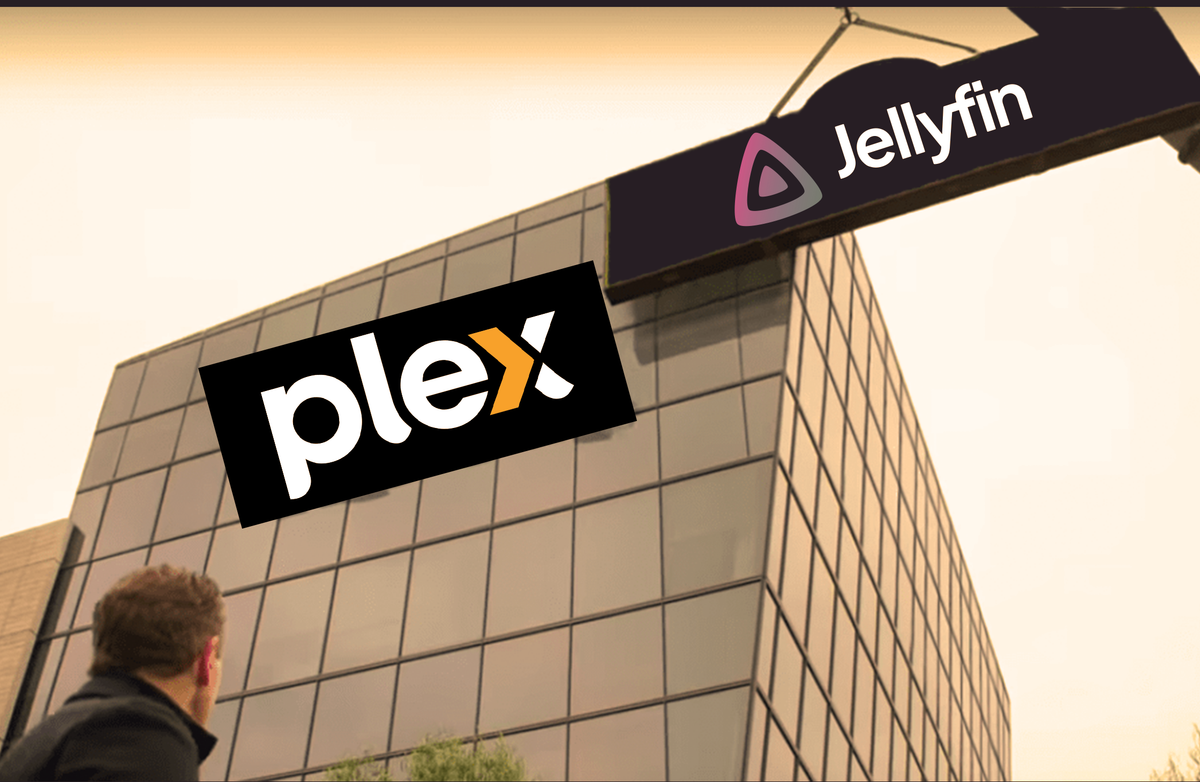
The Shifting Sands of Plex
For years, Plex has been the go-to solution for media enthusiasts looking to organize and stream their personal libraries. It offered a compelling blend of user-friendliness and powerful features, largely free from the corporate overreach that plagues so many software projects. However, recent developments suggest Plex is increasingly prioritizing commercial interests and enterprise solutions over its original community-focused ethos. This shift has many long-time users questioning the platform's future direction and exploring alternatives.
The core of the concern lies in Plex's evolving business model. While a free tier remains, the company has been aggressively pushing its Plex Pass subscription, introducing features that feel less like community enhancements and more like revenue drivers. This includes an increasing focus on Plexamp, its premium music player, and a burgeoning enterprise offering that aims to bring Plex to businesses. This dual focus, while potentially lucrative for the company, creates a divergence from the original promise of a simple, user-controlled media server.
Why the Move to Jellyfin?
Jellyfin emerges as the most prominent open-source alternative, embodying the spirit that many feel Plex has abandoned. Unlike Plex, Jellyfin is entirely free and open-source, meaning its code is publicly available, auditable, and can be modified by anyone. This transparency is a significant draw for users who value control and are wary of proprietary software that can change its terms or features at any time.
The technical underpinnings of Jellyfin are robust. It's a fork of Emby, another popular media server, created when Emby also began to move towards a more proprietary model. Jellyfin has since developed its own roadmap, driven by community contributions and a clear commitment to open standards. It offers a comprehensive suite of features comparable to Plex, including media organization, streaming to various devices, user management, and metadata fetching. The setup and configuration, while perhaps requiring a slightly steeper learning curve than Plex for absolute beginners, are well-documented and supported by an active community.
One of the most compelling aspects of Jellyfin is its complete lack of corporate influence. There are no premium tiers, no enterprise sales teams, and no plans to introduce features solely for monetization. The development is driven by passion and a desire to create the best possible open-source media server. This means users can be confident that the software will remain free, flexible, and aligned with the community's needs. It's less like a product and more like a shared digital library, maintained by enthusiasts for enthusiasts.
The Trade-offs and the Future
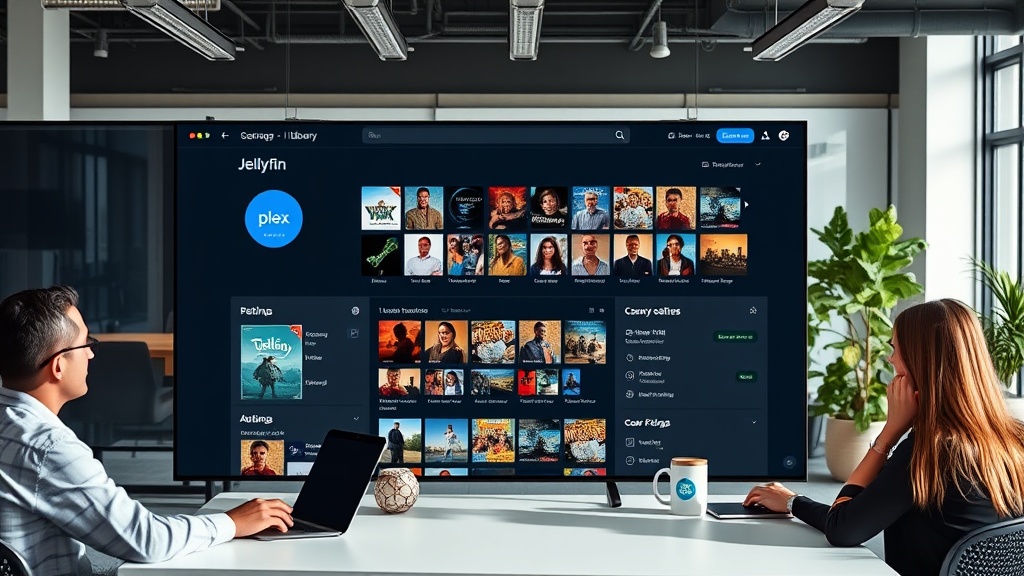
Moving from Plex to Jellyfin isn't without its considerations. Plex has historically benefited from a more polished user interface and broader out-of-the-box client support, particularly on smart TV platforms. While Jellyfin's client support is rapidly expanding, and community-developed apps are available for many platforms, some users might find the native experience on certain devices less seamless than Plex's. The initial setup for Jellyfin might also require a bit more technical comfort, especially for those accustomed to Plex's more guided onboarding.
However, the open-source nature of Jellyfin offers a significant advantage: customization. If a specific client app is missing or a feature isn't quite right, the community can step in. Developers can contribute directly, suggest changes, and even fork the project if necessary. This contrasts sharply with Plex, where users are beholden to the company's decisions about what features are prioritized or locked behind a paywall.
The question for many users now is whether the convenience and polish of Plex are worth the increasing corporate control and potential for future changes. As Plex continues its trajectory towards becoming a more commercial entity, the appeal of Jellyfin's unadulterated, community-driven approach grows. It represents a return to the principles that made personal media servers popular in the first place: user empowerment, data ownership, and software freedom.
For those who have built extensive libraries and relied on Plex for years, the migration process can seem daunting. However, the underlying media files remain untouched. The primary task involves setting up the Jellyfin server and re-pointing your clients. The active Jellyfin community is a valuable resource for navigating this transition, offering guides and support for users making the switch.
A Community-Driven Vision
The divergence between Plex and Jellyfin highlights a broader trend in the tech landscape: the tension between open-source ideals and commercial viability. While companies like Plex must find ways to sustain themselves, their choices have direct consequences for their user base. Jellyfin, by contrast, offers a different path – one where the community remains the primary stakeholder. This model, though often slower in development and less polished in presentation, fosters a sense of ownership and trust that is increasingly rare. For users who value that, the time to consider Jellyfin may indeed be now.