
The Evolution from DevOps to Platform Engineering
The IT landscape is in constant flux, driven by the relentless adoption of cloud-native technologies. This shift has fundamentally altered the roles within infrastructure teams. DevOps, a methodology focused on improving collaboration, automation, and software delivery, laid crucial groundwork. However, organizations now face the challenge of scaling these improvements across increasingly complex environments and larger development teams. This is where Platform Engineering emerges, taking the principles of DevOps and formalizing them into a cohesive, internal product.
Platform Engineering is about building internal platforms that empower developers to move with greater speed and fewer operational roadblocks. It’s not merely about providing tools; it’s about constructing an ecosystem of reusable components and standardized processes. Think of it less like a toolbox and more like a well-equipped workshop where every essential tool and material is readily available and perfectly organized. Developers can then focus their energy on writing business logic and innovating, rather than repeatedly solving the same fundamental infrastructure problems.
The core idea is to abstract away repetitive, low-level infrastructure tasks without sacrificing the flexibility developers need. Instead of each team independently wrestling with deployment pipelines, Kubernetes configurations, or monitoring stack setups, Platform Engineering provides pre-built, reliable solutions. This standardization dramatically reduces cognitive load and accelerates the development lifecycle. It ensures that common infrastructure patterns are implemented consistently and securely across the organization.
Key Principles of a Successful Platform
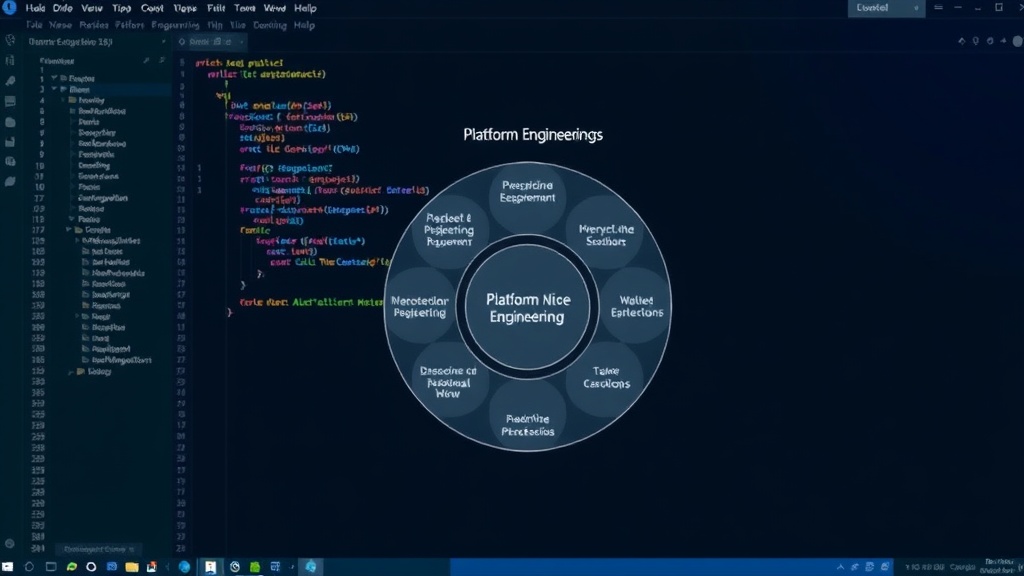
A successful Platform Engineering initiative hinges on several key principles that guide the design and implementation of internal platforms. These principles ensure that the platform is not just functional but also developer-friendly and aligned with organizational goals.
Self-Service Infrastructure Deployments
At its heart, a platform must enable self-service. Developers should be able to provision and manage the infrastructure they need without direct intervention from central IT or platform teams. This means providing intuitive interfaces, automated provisioning, and clear workflows for requesting and deploying resources. The goal is to make infrastructure as accessible as fetching a library book, allowing developers to get what they need when they need it.
Standardized CI/CD Pipelines
Continuous Integration and Continuous Delivery (CI/CD) are cornerstones of modern software development. Platform Engineering standardizes these pipelines across the organization. This involves creating reusable pipeline templates that incorporate best practices for building, testing, and deploying applications. Standardization ensures consistency, reduces errors, and simplifies maintenance. It means that whether a developer is working on a new microservice or an existing monolith, the deployment process is predictable and reliable.
Infrastructure as Code (IaC)
Infrastructure as Code is fundamental to the automated, repeatable nature of Platform Engineering. By defining infrastructure in code (using tools like Terraform, Pulumi, or Ansible), teams can version, test, and deploy infrastructure changes with the same rigor as application code. This approach enables version control, facilitates collaboration, and ensures that environments are reproducible. It moves infrastructure management from a manual, error-prone process to a programmatic, auditable one.
Built-in Security and Compliance
Security and compliance cannot be afterthoughts; they must be baked into the platform from the ground up. Platform Engineering teams integrate security controls, policies, and compliance checks directly into the self-service workflows and CI/CD pipelines. This ensures that all deployed infrastructure and applications adhere to organizational security standards and regulatory requirements by default. It shifts security left, making it an inherent part of the development process rather than a bottleneck.
Centralized Monitoring and Observability
Understanding the health and performance of applications and infrastructure is critical. Platform Engineering provides centralized tools and practices for monitoring and observability. This includes aggregated logging, distributed tracing, and comprehensive metrics collection. By offering a unified view, the platform helps teams quickly identify and resolve issues, optimize performance, and gain deep insights into system behavior. This centralized approach avoids fragmented monitoring solutions that can hinder effective troubleshooting.
Excellent Documentation and Developer Experience (DevEx)
Perhaps the most crucial, yet often overlooked, aspect of Platform Engineering is the developer experience. A platform, no matter how technically sophisticated, will fail if it is difficult to use. This requires clear, comprehensive documentation, intuitive interfaces, and responsive support. The platform team must act as product managers for their internal developer audience, continuously gathering feedback and iterating to improve usability and efficiency. A great developer experience leads to higher adoption rates and greater overall productivity.
The Distinction: DevOps vs. Platform Engineering
While Platform Engineering builds upon DevOps principles, it represents a distinct evolution. DevOps is a cultural and methodological shift emphasizing collaboration between development and operations teams to improve software delivery. It’s a philosophy about how teams should work together.
Platform Engineering, on the other hand, is about productizing this collaboration. It involves creating a dedicated internal product – the platform – that delivers self-service capabilities to development teams. The platform team acts as the provider, and development teams are the consumers. This product-centric approach aims to scale the benefits of DevOps by providing standardized, reliable, and easy-to-use infrastructure services. It’s the difference between a team agreeing to communicate better (DevOps) and that same team building a shared communication hub with predefined channels and features (Platform Engineering).
The ultimate goal is to enable developers to ship software faster, more reliably, and more securely. By abstracting away the complexities of cloud-native infrastructure and providing a curated set of tools and services, Platform Engineering allows development teams to reclaim their focus on delivering business value. This structured approach to internal tooling is becoming increasingly vital as organizations grow and their technical stacks become more intricate.