PixyCAD: A New Native CAD Experience for Apple Ecosystem
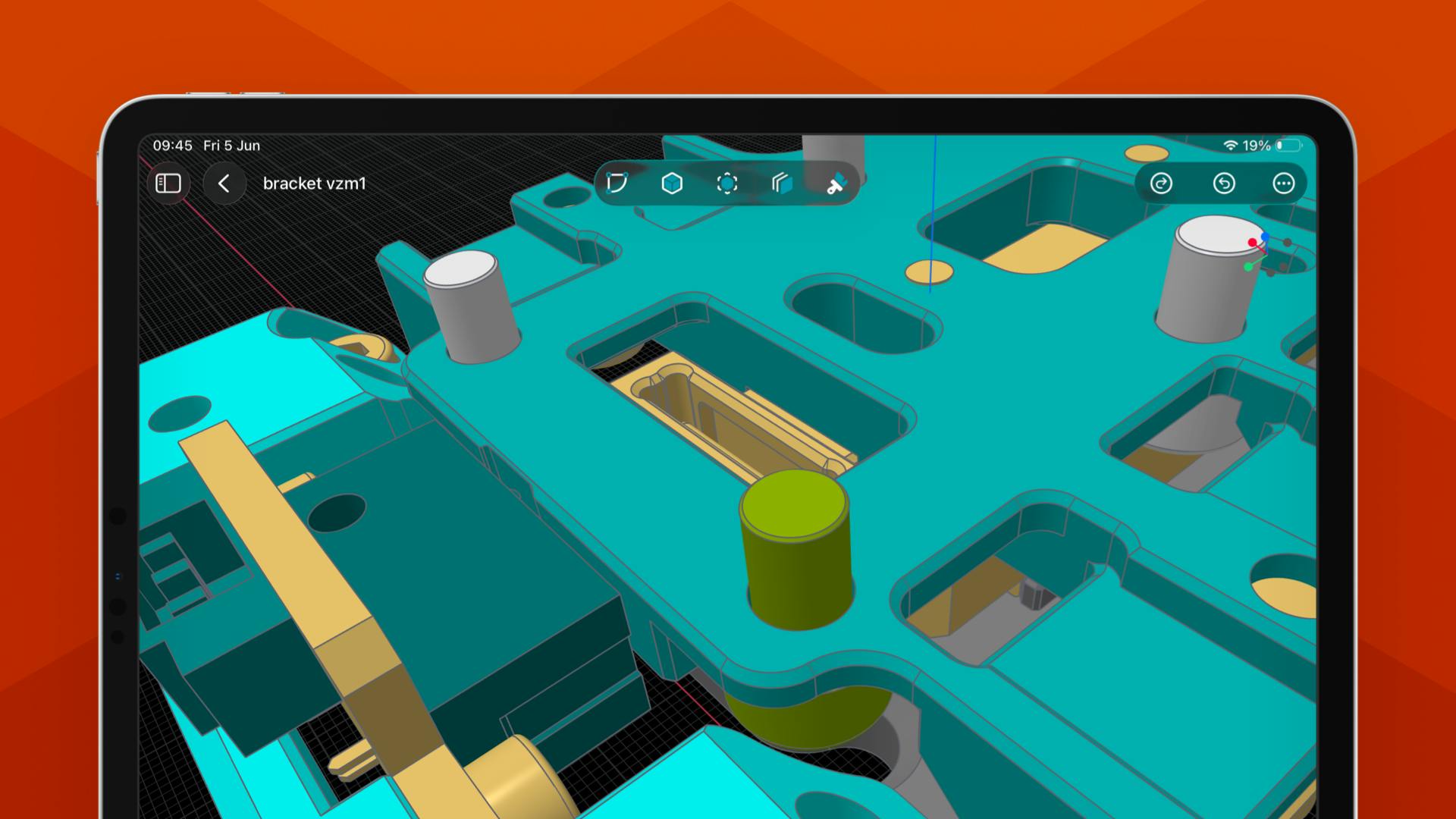
PixyCAD has officially launched, aiming to disrupt the 3D computer-aided design (CAD) market with a focus on native performance for Apple's iPad and Mac operating systems. The software promises a fast and precise solid modeling experience, directly addressing a gap for professional-grade design tools that are optimized for the unique hardware and software environments of Apple devices. Unlike many existing CAD solutions that are ports from Windows or cross-platform efforts, PixyCAD is built from the ground up for macOS and iPadOS.
The core value proposition of PixyCAD centers on delivering a seamless and intuitive design workflow. For iPad users, this means leveraging the tablet's touch interface and Apple Pencil for direct manipulation of 3D models, a stark contrast to the often cumbersome experience of using traditional desktop CAD software with touch input. On the Mac side, PixyCAD aims to offer a highly responsive and efficient environment, potentially outperforming less optimized alternatives by taking full advantage of Apple's Metal graphics API and underlying system architecture.
Precision and Performance as Core Pillars
At its heart, PixyCAD is a solid modeling application. This means it constructs 3D objects using precise mathematical representations of surfaces and volumes, rather than relying on simpler mesh-based approaches. This level of precision is critical for engineering, manufacturing, and detailed design work where accuracy is paramount. The developers emphasize that this precision does not come at the expense of performance. They claim that PixyCAD is engineered for speed, allowing users to create and manipulate complex assemblies without significant lag.
The choice to build natively for Apple platforms is a significant differentiator. This approach allows PixyCAD to bypass the overhead often associated with cross-platform development frameworks. By directly interfacing with macOS and iPadOS, the software can achieve lower latency, better memory management, and a more integrated user experience that feels at home on Apple hardware. For professionals who rely on their devices for critical design tasks, this can translate into tangible productivity gains and a less frustrating workflow. The integration with Apple Pencil on the iPad is particularly noteworthy, offering a more direct and tactile way to sculpt and refine 3D designs.
Target Audience and Potential Impact
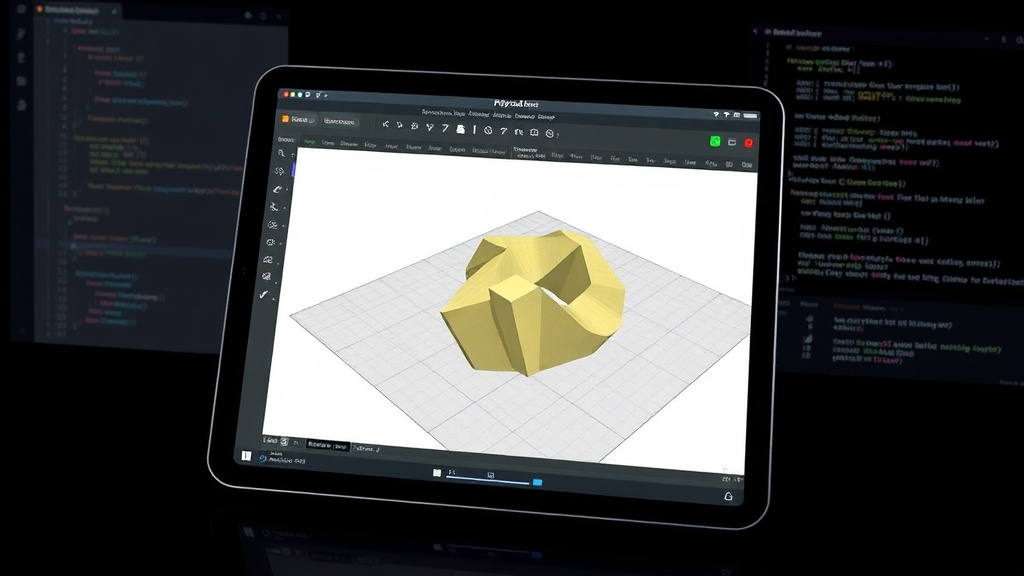
PixyCAD appears to be targeting a range of users, from hobbyists and makers to professional designers, engineers, and architects. The emphasis on a streamlined, intuitive interface suggests an effort to lower the barrier to entry for 3D design, while the promise of precision and performance aims to satisfy seasoned professionals. The availability on both iPad and Mac means users can potentially start a design on one device and seamlessly continue it on another, a workflow that aligns with Apple's ecosystem strategy.
The competitive landscape for CAD software is dominated by established players like Autodesk (AutoCAD, Fusion 360), Dassault Systèmes (SOLIDWORKS), and Siemens (NX). These platforms are powerful but often come with steep learning curves, high costs, and a primary focus on Windows. PixyCAD’s strategy is to carve out a niche by offering a superior, integrated experience for Apple users. If the software delivers on its promises of speed and precision, it could become a compelling alternative for Mac and iPad owners who have felt underserved by existing CAD solutions.
The potential impact extends beyond individual users. For educational institutions that are increasingly adopting iPads and Macs, PixyCAD could offer a more accessible and engaging platform for teaching 3D design and engineering principles. For small businesses and startups, a cost-effective yet powerful native CAD tool could significantly reduce overhead and accelerate product development cycles.
What Remains to Be Seen
While the initial launch positions PixyCAD as a strong contender, several questions remain. The depth of its feature set compared to industry giants will be a critical factor. Does it support advanced features like simulation, rendering, or complex surface modeling? What is the pricing model? Is it a one-time purchase, a subscription, or tiered based on features? Furthermore, the community and support infrastructure will be crucial for its long-term success. A thriving ecosystem of tutorials, forums, and third-party add-ons can significantly boost adoption and user retention. The true test will be how PixyCAD scales with increasingly complex projects and how it integrates with other design and manufacturing workflows. The surprising detail here is not the launch itself, but the deliberate choice to build exclusively for Apple's ecosystem, betting heavily on the platform's growing professional user base.