The Tangible UI for AI Model Selection
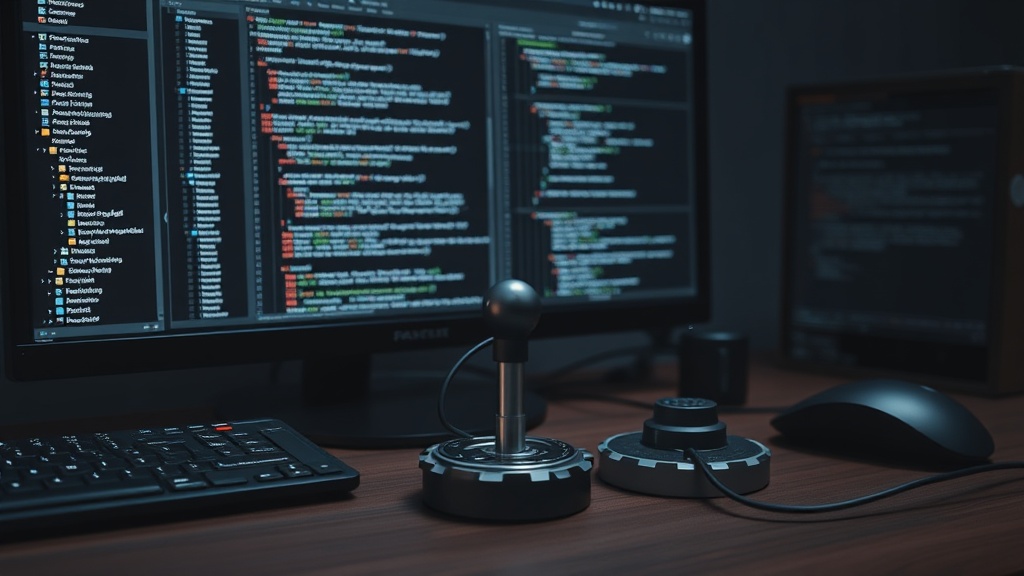
In a move that bypasses conventional software interfaces, Vaibhav Sisinty has created a physical gear shifter to control access to different Anthropic Claude AI models. This innovative setup transforms model selection from a cognitive burden into a tactile, immediate action, akin to shifting gears in a car. The shifter allows users to physically move a lever into distinct positions, each mapped to a specific Claude model: Fable for general tasks, Sonnet for daily use, and Opus for complex problem-solving. This physical interface dramatically reduces the 'decision tax' that AI users face when choosing the right model for a given task.
The elegance of this solution lies in its self-referential design. Sisinty built the shifter using Claude itself, a meta-level application of AI to streamline the AI experience. This closed-loop development, where the tool is improved by the very technology it interacts with, highlights a powerful emergent pattern in human-AI collaboration. It’s a tangible demonstration of how AI can be leveraged not just for content generation or analysis, but for optimizing the user’s interaction with AI systems themselves.
Why a Physical Shifter Beats Software Menus
The core problem Sisinty’s shifter addresses is the friction inherent in software-based model selection. Every time a user needs to switch models, they engage in a mental process: evaluating the task, recalling the capabilities of each model, and then navigating menus or dropdowns to make the selection. This cognitive overhead, while seemingly small, accumulates significantly for power users who frequently switch between models throughout their workday. It’s like having to stop your car, get out, adjust a dial under the hood, and then get back in to change your driving mode – inefficient and disruptive.
A physical gear shifter, by contrast, offers immediate, unambiguous feedback. The physical position of the lever directly corresponds to the active model. There’s no need to read labels or process on-screen information. This direct manipulation mirrors the intuitive nature of physical controls found in many other complex systems, from machinery to vehicles. The mental load is drastically reduced because the action becomes muscle memory rather than a conscious decision-making process. This is a lesson in user experience design that many software developers could learn from: sometimes, the most efficient interface is the one that requires the least thought.
The 'Decision Tax' of AI Model Choice
The proliferation of AI models, each with distinct strengths and weaknesses, presents a significant usability challenge. For users interacting with platforms like Claude, which offers tiered models (e.g., Fable, Sonnet, Opus), selecting the appropriate model is a crucial step. A user might start with a lighter model for quick queries or drafting, then switch to a more powerful, albeit slower and more expensive, model for in-depth analysis or creative generation. This constant switching, however, introduces what can be termed the 'decision tax' – the cognitive effort and time spent deciding and executing the model change.
Sisinty’s physical shifter attacks this problem head-on. By mapping each model to a distinct, easily accessible physical position, the act of switching becomes nearly instantaneous. It removes the need to consciously evaluate the task against model capabilities in real-time. The user can simply 'feel' which gear they need. This is particularly effective for workflows where task types are predictable and recurring. For instance, a writer might always use Sonnet for initial drafts and Opus for editing complex passages. The shifter makes this transition seamless, allowing the user to stay immersed in their creative or analytical process without interruption.
Beyond Novelty: A Blueprint for Future Interfaces
While it might appear as a mere novelty, the physical Claude shifter represents a significant step towards more intuitive and efficient human-AI interaction. It demonstrates that the best user experience design often involves leveraging familiar, physical metaphors to manage complex digital systems. This approach can make AI tools more accessible and less intimidating, especially for users who may not be deeply technical.
The implications extend beyond just Claude. This concept could be applied to any system with multiple modes or settings. Imagine a physical dial for adjusting parameters in a video editing suite, a set of buttons for toggling between different generative art styles, or a joystick for controlling the complexity of a coding assistant. The key takeaway is that by externalizing complex decision-making processes into tangible, physical controls, we can reduce cognitive load and enhance productivity. This physical shifter is not just a clever hack; it’s a compelling argument for rethinking how we interact with the increasingly sophisticated digital tools we use daily. It begs the question: what other complex digital interactions could benefit from a physical, tactile interface?