
Photoroom API: Automating Product Image Transformation
Photoroom, a company known for its AI-powered image editing tools, has launched a new API designed to help businesses automate the transformation of product images at scale. This move signals a significant step towards integrating advanced image processing capabilities directly into e-commerce workflows and other content creation pipelines.
The core offering of the Photoroom API revolves around its ability to perform sophisticated image editing tasks programmatically. This includes, but is not limited to, automatic background removal, object isolation, and consistent styling across large volumes of product photos. For businesses that rely heavily on visual merchandising, such as online retailers, marketplaces, and brands, this API promises to streamline operations that were previously manual, time-consuming, and expensive.
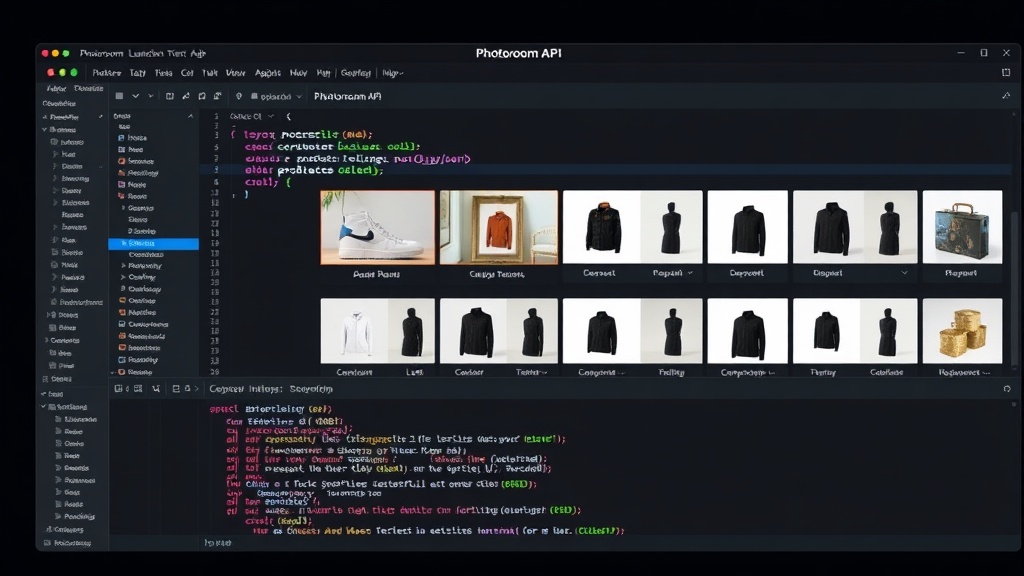
Traditionally, editing product photos to achieve a clean, professional look—often involving white or transparent backgrounds—requires dedicated graphic designers or expensive software. This process can be a bottleneck for companies launching new products or managing extensive catalogs. The Photoroom API aims to eliminate this bottleneck by providing developers with the tools to integrate these editing capabilities directly into their existing systems. Imagine a scenario where every new product uploaded to an e-commerce platform is automatically processed by the API, resulting in a perfectly clean, ready-to-display image within minutes.
Key Capabilities and Developer Focus
The API's functionality extends beyond simple background removal. While this is a flagship feature, Photoroom's underlying technology enables a range of sophisticated edits. Developers can leverage the API to:
- Remove Backgrounds: Automatically detect and remove complex backgrounds, leaving the subject isolated. This is crucial for creating consistent product listings.
- Replace Backgrounds: Substitute original backgrounds with solid colors (like white or transparent), custom images, or even AI-generated scenes.
- Apply Filters and Adjustments: Programmatically adjust brightness, contrast, saturation, and apply various stylistic filters to ensure brand consistency.
- Enhance Product Visuals: Utilize AI to intelligently enhance product details, improving overall image quality and appeal.
- Batch Processing: Handle large volumes of images simultaneously, making it ideal for enterprise-level operations.
The API is built with developers in mind, offering straightforward integration points. While specific documentation details are not provided in the source, the typical approach for such APIs involves RESTful endpoints, clear request/response structures, and authentication mechanisms. This allows developers to integrate Photoroom's image processing power into web applications, mobile apps, content management systems, and e-commerce platforms without needing deep expertise in image manipulation software.
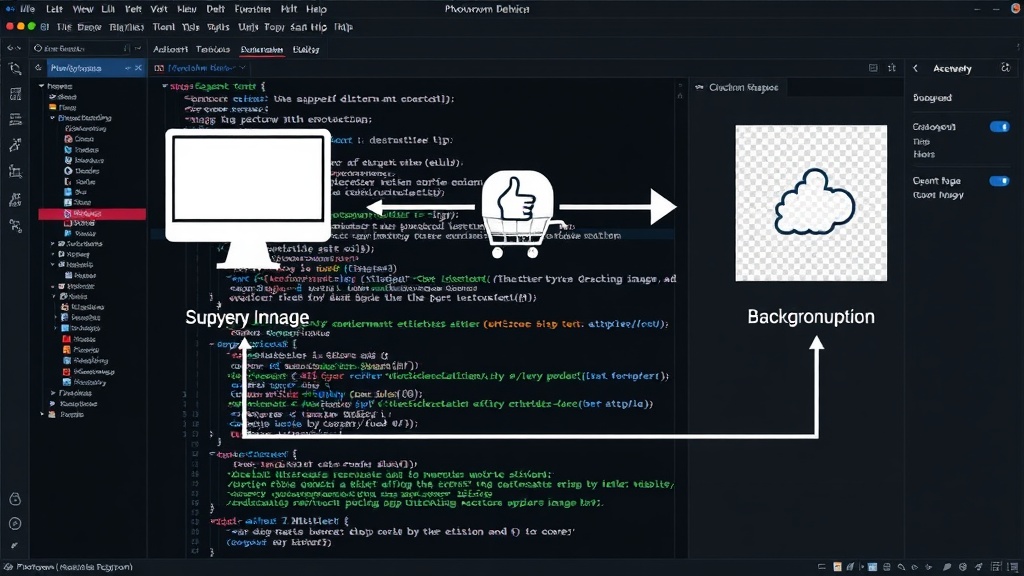
The technical implementation likely involves sending an image file or URL to the API, along with parameters specifying the desired edits. The API then processes the image and returns the modified version, ready for use. This abstraction of complex image processing into a simple API call is the core value proposition for businesses looking to scale their visual content production.
Market Implications and Competitive Landscape
The launch of the Photoroom API places the company directly into the growing market for AI-driven creative tools and developer-focused image processing solutions. Competitors in this space range from cloud-based image editing platforms that offer APIs to specialized background removal services. However, Photoroom's advantage lies in its established user base and its focus on making advanced editing accessible and affordable.
For e-commerce platforms, integrating such an API can significantly enhance the value proposition offered to sellers. It democratizes professional-quality product photography, enabling small businesses and individual sellers to compete with larger brands that have dedicated creative teams. The ability to automate this critical aspect of online retail can lead to faster product listing times, improved conversion rates due to better visuals, and reduced operational costs.
The broader implication is a continued trend towards specialized, AI-powered APIs that abstract complex creative tasks. Developers can now integrate sophisticated visual editing capabilities into their applications with relative ease, fostering innovation in areas like augmented reality commerce, personalized product catalogs, and automated content generation. The success of this API will likely depend on its reliability, speed, cost-effectiveness, and the breadth of its editing capabilities as it evolves.
What remains to be seen is how Photoroom plans to support its API users with advanced features, such as custom model training for specific product types or industry-specific editing styles. As the market matures, the ability to offer highly tailored solutions will become increasingly important for maintaining a competitive edge.