
The Pervasive Threat to Personal Photos
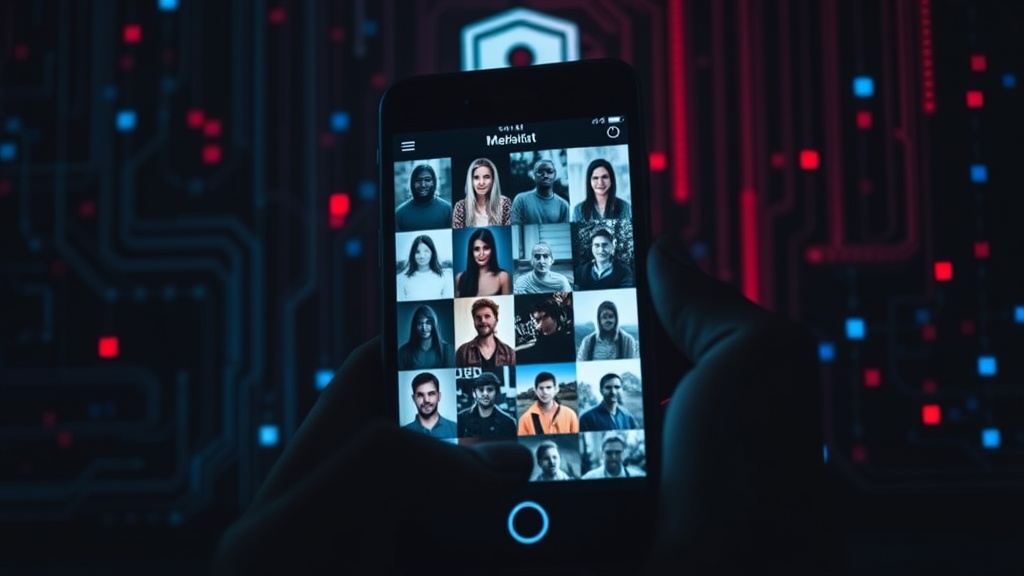
In an era where digital photography is ubiquitous, the personal photo library represents one of the most intimate and vulnerable troves of data. Beyond mere memories, photos can contain sensitive metadata, reveal personal habits, identify locations, and even expose individuals to significant risk. While many users assume their digital photo albums are private, a string of real-world incidents demonstrates the stark reality: photos are frequently exposed, leaked, or stolen, with devastating consequences.
These privacy breaches are not abstract technical vulnerabilities; they are tangible events that have impacted individuals and groups. They range from accidental exposures due to misconfigured cloud storage to targeted attacks aimed at exploiting intimate visual data. Understanding these incidents is crucial for anyone who values their digital privacy, particularly as the volume and sensitivity of visual data continue to grow.
The core problem lies in the inherent nature of digital images. Each JPEG or PNG can carry embedded EXIF (Exchangeable Image File Format) data, which includes details like the date and time the photo was taken, the camera model used, and, critically, the GPS coordinates of its location. This metadata, often enabled by default on smartphones, turns a seemingly innocent picture into a potential surveillance tool for malicious actors or a source of embarrassment through accidental public disclosure.
Accidental Leaks and Misconfigurations
A significant category of photo privacy incidents stems from human error and technological misconfiguration. Cloud storage services, while convenient, can become vectors for leaks when access controls are not properly managed. A common scenario involves users inadvertently sharing entire photo albums or making cloud buckets publicly accessible. This has led to numerous instances where private family photos, vacation snaps, and even images containing sensitive personal identifiable information (PII) have been found online, accessible to anyone with the right URL or search query.
These are not isolated events. Reports have surfaced of individuals discovering their personal photo collections, including images of children, homes, and personal documents, exposed due to poorly secured Amazon S3 buckets or similar cloud storage solutions. The ease with which these services can be misconfigured, often by users with limited technical expertise, means that a vast amount of personal data remains perpetually at risk. The responsibility often falls on the user to understand the complex settings of these platforms, a burden many are unprepared to bear.
Consider the case of a large-scale data leak that exposed millions of private photos from a popular photo-sharing app. The breach was attributed to a vulnerability in the app’s backend infrastructure, allowing unauthorized access to user accounts. The fallout included not only the loss of personal memories but also the potential for blackmail, identity theft, and reputational damage for those whose images were compromised.
Malicious Exploitation and Targeted Attacks
Beyond accidental exposure, photos are increasingly targeted for malicious purposes. This can range from the theft of intellectual property embedded in product photos or design mockups to more sinister forms of exploitation. The rise of deepfakes and AI-generated content has introduced new threats, where manipulated images can be used for defamation, harassment, or fraud. However, even without advanced AI, raw image data can be weaponized.
One concerning trend is the exploitation of intimate photos for revenge porn or blackmail. When personal photos are shared in confidence, or when accounts are compromised, these images can be used to exert power and control over individuals. The emotional and psychological toll on victims is immense, and the digital nature of these attacks often makes remediation difficult, as once an image is shared online, it can spread rapidly and uncontrollably.
Furthermore, photos can inadvertently reveal sensitive information about an individual's lifestyle, financial status, or daily routines. Images showing expensive possessions, specific travel patterns, or even the presence of a home security system can provide valuable intelligence for burglars or stalkers. The metadata, as mentioned earlier, can pinpoint exact locations, turning a tourist photo into a roadmap for unwanted attention.
The Unanswered Question: Who is Responsible for User Education?
While technology providers implement security measures, a critical gap remains in user education and awareness. What nobody has adequately addressed is the systemic failure to equip the average user with the knowledge to protect their most personal digital assets. Users are given powerful tools to capture and store vast amounts of visual data, but often lack the fundamental understanding of metadata, privacy settings, and the long-term implications of digital sharing. This leaves them vulnerable, turning convenience into a liability.
Protecting Your Visual Data
Given the persistent threats, proactive measures are essential for safeguarding personal photos:
- Review Cloud Storage Settings: Regularly audit privacy settings on cloud services like Google Photos, iCloud, Dropbox, and OneDrive. Ensure that sharing permissions are explicit and that no folders are set to public access by default.
- Disable Location Tagging: Turn off geotagging (location services) for your camera app. If you need to share a photo with location information, consider using a privacy-preserving app that allows you to manually add or remove metadata.
- Be Mindful of Metadata: Understand that photos can contain embedded data. Use tools to strip EXIF data before sharing images online, especially on platforms where privacy is paramount.
- Secure Your Devices: Use strong passwords or biometric locks on your smartphones and computers. Enable two-factor authentication for cloud accounts to prevent unauthorized access.
- Think Before You Share: Consider the potential implications before uploading any photo to social media or sending it via messaging apps. Once shared, control over the image diminishes rapidly.
The incidents of photo privacy breaches serve as a stark reminder that digital photos are far more than just pixels; they are often direct windows into our lives. Protecting them requires a conscious effort to understand the risks and implement robust personal security practices. The convenience of digital photography should not come at the expense of fundamental privacy and security.
The ongoing evolution of digital media and the increasing sophistication of malicious actors mean that the threat landscape for photo privacy will only continue to grow. Staying informed and vigilant is no longer optional; it is a necessity for anyone navigating the digital world.