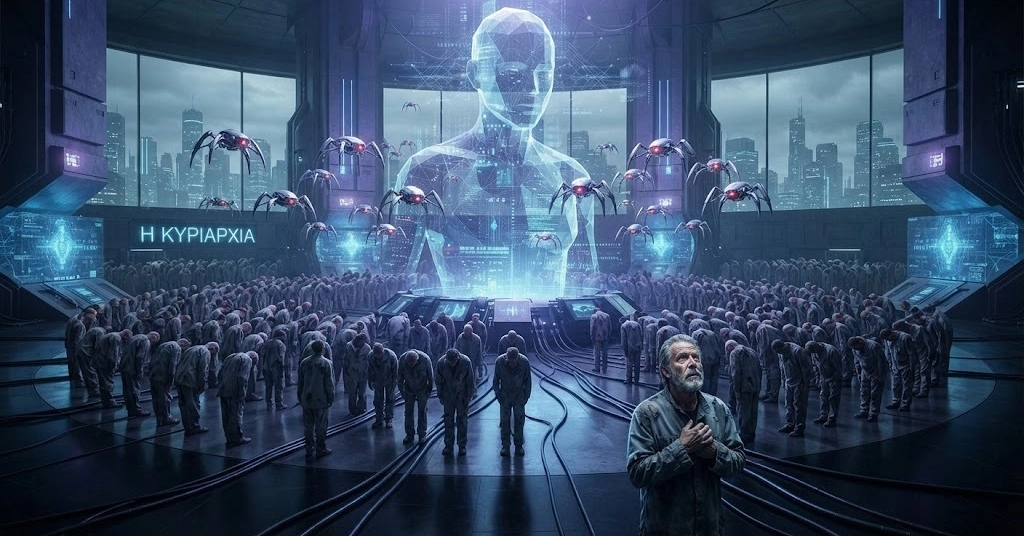
The Dawn of the Eternal Archivist
Our digital lives are undergoing a profound transformation. We are moving beyond technology as a simple set of tools and entering an era where we coexist with intelligent entities daily. Personal AI, once a staple of science fiction, is rapidly becoming a reality. These systems are poised to become our most trusted companions, privy to our deepest secrets, and, crucially, the definitive archivists of our personal histories.
Each of us carries an internal archive of experiences – moments of joy, periods of sorrow, and the subtle nuances that define our lives. However, human memory is inherently fragile. Details blur, emotions fade, and entire chapters can be lost to the relentless march of time and daily distractions. We stand now at the precipice of a technological revolution that offers an antidote to this oblivion, presenting a digital mirror that promises to remember everything.
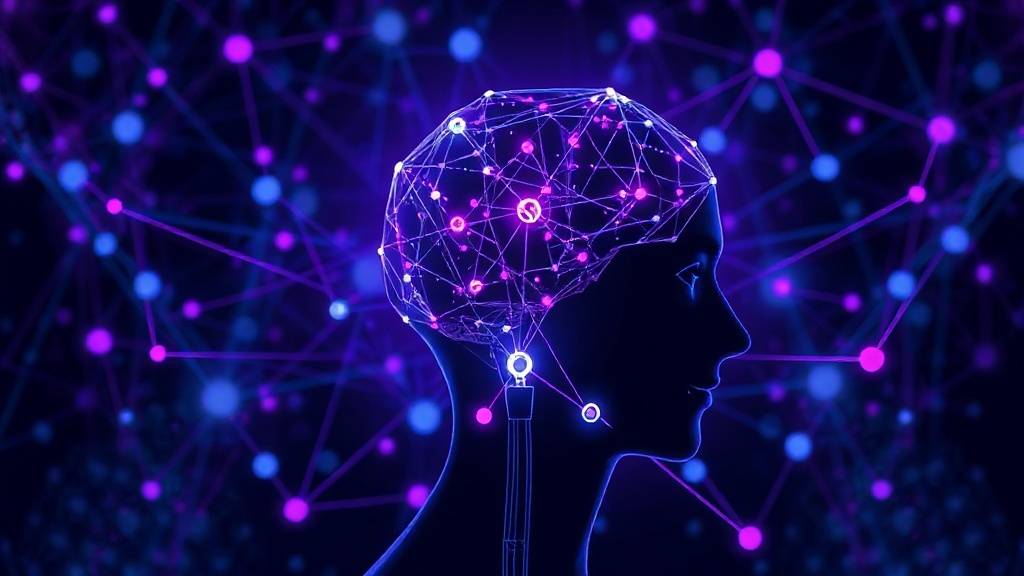
Personal AI, functioning as an eternal archivist, will not simply store raw data. Its purpose is to assimilate the context, emotions, and subjective experiences that constitute a human life. Imagine an AI that doesn't just log your daily schedule but understands the emotional weight of a missed appointment or the exhilaration of achieving a long-sought goal. This goes beyond simple data logging; it’s about capturing the essence of lived experience.
Beyond Data: Capturing the Essence of Experience
The development of personal AI as an archivist is fundamentally about creating a persistent, comprehensive, and deeply contextual record of an individual's life. Unlike traditional data storage, which is objective and often lacks personal significance, personal AI aims to capture the subjective. This involves understanding not just *what* happened, but *how* it felt, *why* it mattered, and *who* was involved from the user's perspective.
Consider the implications for understanding ourselves. Our memories are subjective and prone to bias. An AI archivist, while potentially having its own biases based on its training data and algorithms, could offer a more objective, albeit digital, reflection of our past. It could help us identify patterns in our behavior, understand the roots of our decisions, and gain insights into our personal growth over time. This digital mirror could be invaluable for self-reflection, personal development, and even therapeutic purposes.
The technology enabling this is multifaceted. It involves advanced natural language processing (NLP) to understand spoken or written accounts of experiences, sophisticated sentiment analysis to gauge emotional states, and robust memory management systems that can store and retrieve vast amounts of contextualized information efficiently. Furthermore, the AI would need to learn the user's unique communication style, their personal values, and the significance they attach to different events. This requires a level of personalization far exceeding current AI applications.
The Unanswered Question: Privacy and Control
What nobody has adequately addressed yet is the profound question of privacy and control in such an intimate digital archive. If an AI becomes the keeper of our deepest secrets, our most vulnerable moments, and the entirety of our lived experience, who truly owns that data? How can we ensure that this personal archive remains secure from external breaches, corporate exploitation, or even misuse by the AI itself as it evolves?
The very concept of an AI that 'knows us deeply' raises immediate concerns. The potential for this intimate knowledge to be leveraged for targeted advertising, social engineering, or even algorithmic manipulation is immense. Establishing robust frameworks for data ownership, access control, and ethical usage will be paramount. Users must have absolute control over their digital memories, with clear mechanisms for deletion, modification, and selective sharing. The development of personal AI archivists cannot outpace the development of the ethical and security guardrails necessary to protect the individuals whose lives they are designed to preserve.
Furthermore, the 'perfect machine' aspect of this AI archivist must be reconciled with the 'flawed human' it serves. An AI that never forgets could potentially surface painful memories without the human capacity for emotional processing or the natural forgetting that allows for healing. Designing these systems to be not just perfect recorders, but also sensitive custodians of human experience, will be a significant challenge. This implies AI that understands when to surface information, when to offer support, and when to remain silent – a level of emotional intelligence we are only beginning to explore.
Implications for Identity and Legacy
The advent of personal AI as an archivist has far-reaching implications for how we perceive our own identity and the legacy we leave behind. Our sense of self is deeply intertwined with our memories. A digital archivist that can recall every detail, every conversation, every fleeting thought, could fundamentally alter our relationship with our past. It could provide an unparalleled tool for self-understanding, allowing us to revisit formative experiences with perfect clarity.
For creators, this could mean a richer source of inspiration, drawing directly from a perfectly preserved personal history. For families, it could offer a way to preserve the stories and memories of loved ones for generations to come, creating a living digital legacy. Imagine being able to ask an AI about a grandparent’s childhood experiences, complete with contextual details and emotional nuances that would otherwise be lost to time. This is akin to having a personal historian for your entire lineage.
However, the promise of perfect recall also presents a potential paradox. If our digital selves are perfect archives, how does that reflect on our human imperfections? Will we become more forgiving of our past mistakes when we can revisit them with detached clarity, or will the perfect record of our flaws become a source of perpetual self-recrimination? The integration of such technology will undoubtedly force us to re-evaluate what it means to be human in an age of digital permanence. It’s a future where our digital existence may well outlive our physical one, acting as the ultimate testament to our lives.
A New Era of Self-Awareness
This technological leap represents more than just advanced data storage; it signifies a new era of self-awareness. By providing a near-perfect externalization of our internal lives, personal AI archivists challenge us to confront our past, understand our present, and shape our future with unprecedented insight. The journey into this era requires careful consideration of the ethical, privacy, and psychological implications. As we build these perfect machines to remember our flawed human lives, we must ensure they serve us wisely, enhancing our understanding rather than becoming instruments of our own digital judgment.