Introducing Persona.js: Seamless WebMCP AI Chat Integration
Persona.js emerges as a novel solution for developers looking to embed advanced AI chat capabilities into their web applications. Developed to leverage WebMCP (Web Multi-modal Communication Protocol) natively, this JavaScript library promises to simplify the integration of AI-driven conversational agents directly into any frontend. The core value proposition lies in its ability to bring sophisticated AI chat experiences to users without requiring complex backend infrastructure or deep AI expertise from the development team.
For too long, integrating cutting-edge AI chat has meant wrestling with disparate APIs, managing server-side logic, and ensuring compatibility across various platforms. Persona.js aims to abstract away this complexity. It positions itself as a frontend-first tool, allowing developers to add a rich, interactive chat interface that is powered by WebMCP-native AI models. This means that the AI interactions can potentially be more responsive, context-aware, and multimodal, leveraging the capabilities defined by WebMCP.
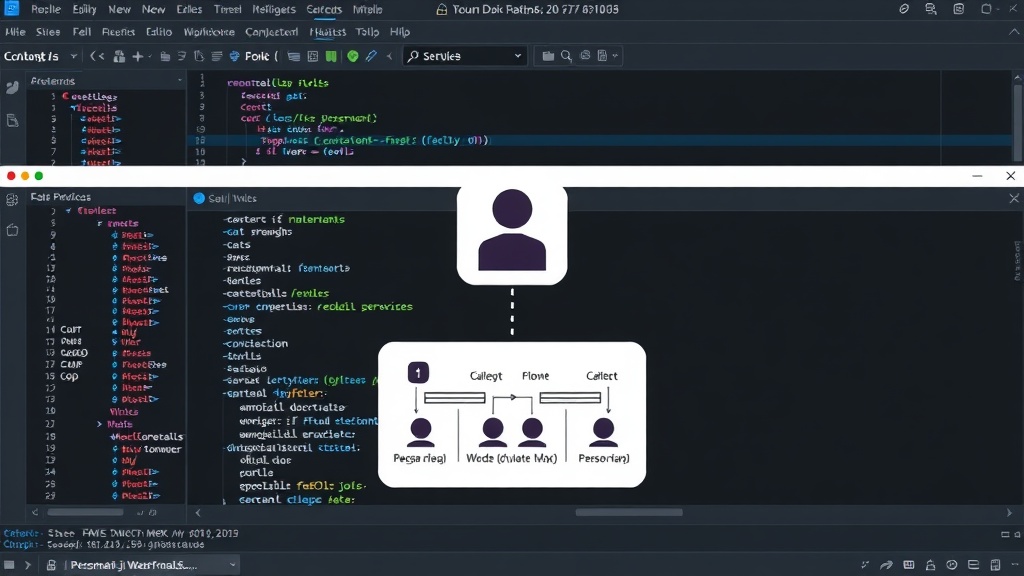
The library is designed with developer experience in mind. Its API is intended to be intuitive, enabling developers to drop in AI chat functionality with minimal code. This could range from simple customer support bots to more complex interactive assistants that guide users through workflows or provide personalized content. The emphasis on native WebMCP integration suggests a future where AI communication protocols are standardized and easily embeddable, much like how WebSockets revolutionized real-time data transfer.
Core Functionality and Technical Approach
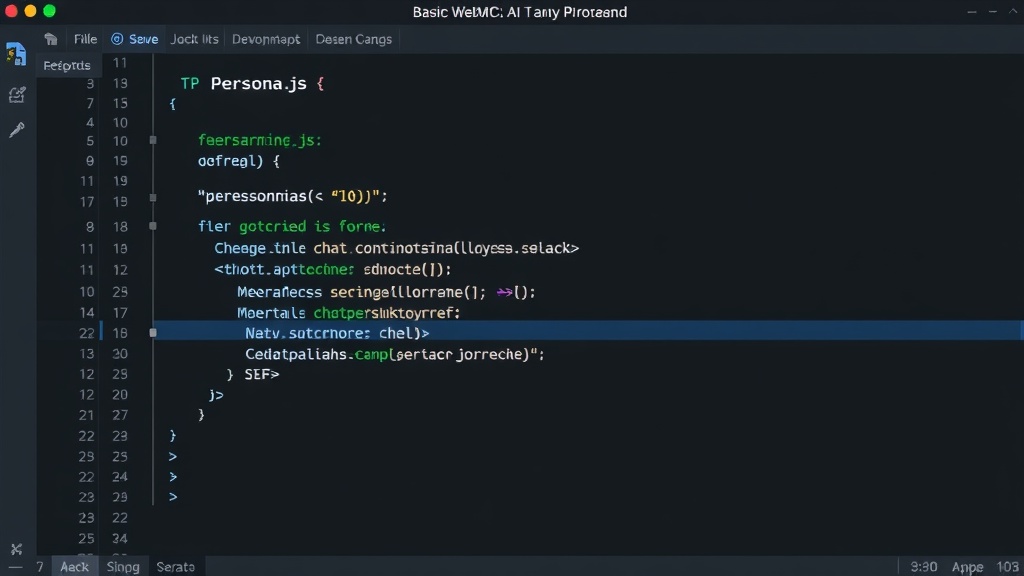
At its heart, Persona.js acts as a bridge. It translates user input from the frontend into a format understood by WebMCP-compliant AI models and then renders the AI's responses back into a user-friendly chat interface. This abstraction layer is crucial. It means developers don't need to become experts in the intricacies of AI model serving or the specific protocols of WebMCP. Instead, they can focus on the user experience and how the AI enhances their application's functionality.
The library likely handles several key aspects of AI chat integration:
- Input Handling: Capturing user messages, potentially including rich media if WebMCP supports it, and formatting them for the AI.
- AI Communication: Establishing and managing the connection to the WebMCP AI endpoint, sending requests, and receiving responses.
- Response Rendering: Parsing AI outputs, which could be text, structured data, or even interactive elements, and displaying them within the frontend UI.
- State Management: Maintaining conversation history and context to ensure coherent and ongoing dialogue.
The technical challenge Persona.js addresses is significant. AI models, especially multimodal ones that can process text, images, and audio, require substantial computational resources and sophisticated communication protocols. WebMCP, as a proposed standard for such interactions, aims to provide a unified way to interact with these powerful models. By building on this, Persona.js offers a path to harness these capabilities without reinventing the wheel for every new project.
Implications for Web Development and AI Deployment
The implications of Persona.js extend beyond just simplifying chat integration. It signals a potential shift towards more AI-native web applications. Imagine websites that don't just present information but actively engage users through intelligent conversation, or internal tools that guide employees through complex processes with AI assistants. This could democratize access to advanced AI features, making them available to a wider range of businesses and developers.
For founders, this means a faster time-to-market for AI-enhanced products. Instead of lengthy R&D cycles focused on AI infrastructure, they can leverage tools like Persona.js to quickly prototype and deploy conversational AI features. This could be particularly impactful for startups looking to differentiate themselves with unique user experiences powered by AI. The ability to integrate WebMCP-native AI suggests access to potentially state-of-the-art models without the prohibitive costs and complexities of self-hosting or building custom integrations.
The success of Persona.js will likely depend on several factors. Firstly, the maturity and adoption of WebMCP itself are critical. If WebMCP becomes a widely adopted standard, tools like Persona.js will flourish. Secondly, the ease of use and flexibility of the library will determine its appeal to developers. A steep learning curve or limited customization options could hinder adoption. Finally, the performance and reliability of the underlying AI models it connects to will ultimately shape the user experience.
What remains to be seen is how Persona.js handles the nuances of different AI model outputs and the evolving landscape of multimodal communication. As AI models become more capable, the demands on integration tools will increase. Persona.js needs to be adaptable to support new data types, interaction paradigms, and potentially even more complex AI workflows that go beyond simple Q&A. The promise is significant: AI chat, deeply integrated and readily available. The execution will determine its place in the developer's toolkit.