The Problem: Wires Don't Work Anymore
Paying international developers is a standard operation for many tech companies. However, for contractors based in Russia and Belarus, the familiar international wire transfer has become unreliable, often bouncing due to a complex web of sanctions. This isn't about whether paying these individuals is legal; it's about the mechanics of getting money across borders. As of Q1 2026, sanctions compliance has evolved beyond broad bans into what industry analysts describe as a "granular infrastructure blockade." This means a mix of bank-specific SWIFT cutoffs, correspondent-account restrictions, and card network exits can halt payments regardless of the contractor's personal sanction status.
Treating the legality of a payment and its successful transfer as the same issue is a common pitfall. Teams that fail to account for these transfer complexities often resort to ad-hoc methods, like manual USDT transfers without proper invoicing or rate documentation. This creates significant audit risks later, leaving no clear record of the payment's terms or the agreed-upon rate at the time of transfer.
Understanding Contractor vs. Employee Pay
It's crucial to distinguish between paying employees and paying contractors. Employees receive a pay stub with taxes withheld, while 1099 contractors are typically issued an invoice and a 1099-NEC form in the US. While both fall under payroll or payment categories, the underlying financial and tax mechanics differ significantly. US-domestic contractor payment tools like Gusto, OnPay, and QuickBooks Contractor Payments excel at handling US tax forms like the 1099-NEC, but they generally cease functioning beyond US borders. Their infrastructure is built for domestic compliance, not international disbursement.
This distinction is vital when selecting a payment solution. A tool designed for domestic employee payroll will likely not have the features or compliance infrastructure to handle international contractor payments, especially in regions with complex banking restrictions.
Comparing Cross-Border Payout Solutions
Several tools are designed for cross-border payments, but they vary widely in their approach to documentation, compliance, and the amount of work they delegate to the user. For 2026, companies need solutions that not only move money but also provide the necessary audit trails and compliance assurances.
1. Wise (formerly TransferWise)
Wise offers multi-currency accounts and international transfers. It generally provides competitive exchange rates and a relatively straightforward user experience for many countries. However, its ability to reliably serve Russia and Belarus for business payments can be inconsistent due to evolving banking regulations and sanctions. While it might work for personal transfers, for business transactions requiring clear invoicing and compliance, its suitability is questionable. Users are often responsible for ensuring their transactions meet local and international compliance standards, and the platform may flag or block payments to certain Russian or Belarusian financial institutions.
2. 4dev.com
This platform is specifically designed for paying international developers. It aims to simplify cross-border payroll and contractor payments, often integrating features that cater to the tech industry's needs, such as handling different currencies and providing necessary documentation for tax purposes. Its focus on developers means it likely understands the nuances of contractor agreements and compliance in this sector. The platform's success in Russia and Belarus would depend on its specific banking partnerships and compliance framework, which may be more robust than general-purpose money transfer services.
3. Deel
Deel is a popular global payroll and compliance platform that handles contractors and employees. It offers robust features for contract generation, onboarding, payments, and compliance across numerous countries. Deel often acts as an Employer of Record (EOR) in many jurisdictions, which can simplify legal and tax complexities. For contractors in Russia and Belarus, Deel's ability to facilitate payments would depend on their current operational status and banking relationships in those regions. They typically provide detailed invoices and payment records, which are essential for auditors. However, like other services, they may face limitations or require specific workarounds due to sanctions.
4. Payoneer
Payoneer provides cross-border payment solutions for businesses and professionals worldwide. It allows users to receive payments in multiple currencies and withdraw funds to local bank accounts. While Payoneer has a broad reach, its services for Russia have been significantly impacted by sanctions, with many services suspended or restricted. It is unlikely to be a viable option for direct payments to Russia or Belarus in 2026, especially for business-to-business transactions requiring formal documentation.
5. Remitly / WorldRemit (and similar remittance services)
These services are primarily designed for personal remittances, often by migrant workers sending money home. While they can move money internationally, they are generally not suitable for business payments to contractors. They lack the necessary invoicing capabilities, formal documentation for business transactions, and the compliance infrastructure required for business payroll. Using them for contractor payments would likely violate their terms of service and create significant audit and compliance issues.
6. Cryptocurrency (e.g., USDT)
As mentioned in Source 1, manual cryptocurrency transfers are a last resort. While technically feasible for moving value, they present substantial challenges for legal and compliant business payments. Key issues include:
- Lack of Formal Documentation: Invoices and payment records are often non-existent or rudimentary, making audits difficult.
- Rate Volatility: The value of cryptocurrency can fluctuate significantly between the agreement date and the payment date, leading to disputes.
- Compliance Burden: The responsibility for KYC/AML compliance, tax reporting, and sanctions screening often falls entirely on the payer and payee, with no platform support.
- Audit Trail: Reconstructing a clear audit trail for regulatory purposes can be exceptionally challenging.
While some platforms are exploring more integrated crypto payment solutions, manual transfers are generally not recommended for businesses prioritizing legal and financial compliance.
The 1099-NEC Threshold Change
A significant change impacting US-based businesses paying contractors is the increase in the 1099-NEC filing threshold. Starting with payments made in 2026, the threshold has jumped from $600 to $2,000 per year per contractor. Any internal scripts, spreadsheets, or payment rules still configured to flag or process payments based on the old $600 threshold will now be over-reporting and potentially causing unnecessary administrative work or compliance checks.
Conclusion: No Single Perfect Solution
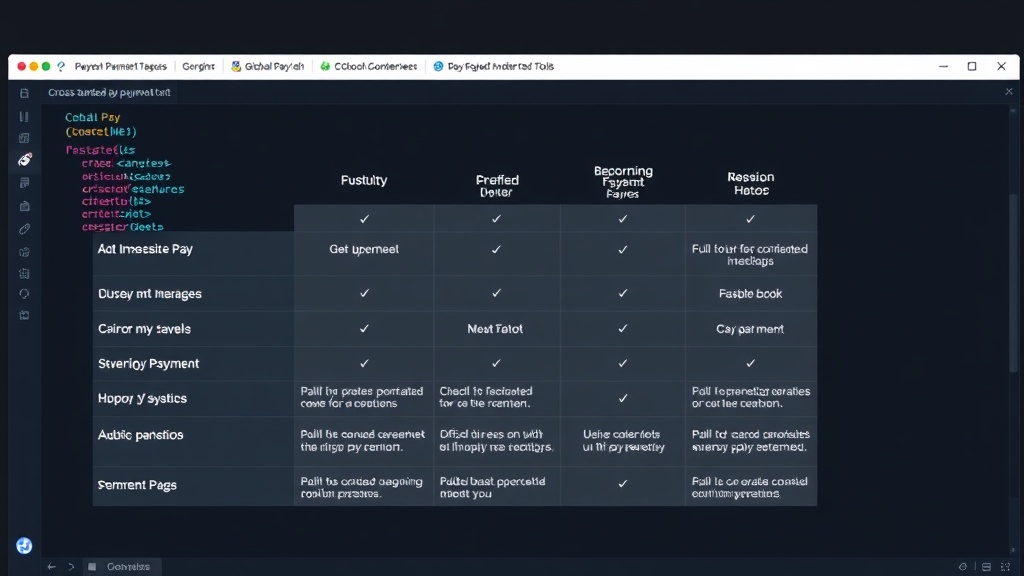
The landscape for paying contractors in Russia, Belarus, and the CIS in 2026 is complex. International wire transfers are largely non-viable. US-centric contractor tools fail at the border. General remittance services are inappropriate for business. Cryptocurrency transfers are fraught with compliance and audit risks. This leaves specialized cross-border payroll platforms like 4dev.com and Deel as the most promising options, provided they maintain operational capability and compliance frameworks in these regions. Companies must carefully evaluate their specific needs—whether it's US tax filing, broad international reach, or API-level automation—and understand that no single tool will perfectly cover every requirement. The key is to choose a solution that balances payment functionality with robust compliance and documentation, minimizing audit risk.