The Capital Chasm: Why Pasqal Looks to Nasdaq
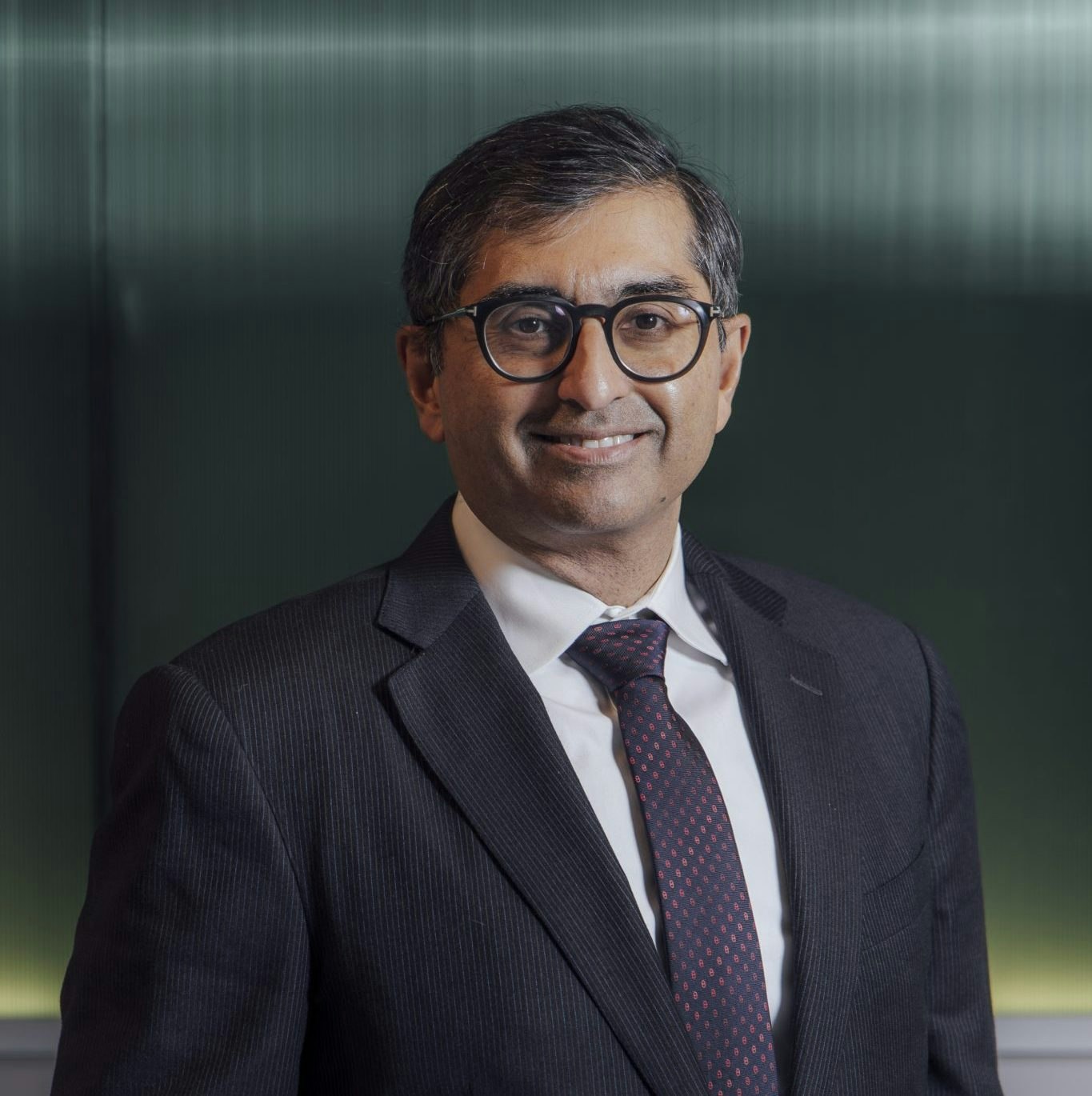
French quantum computing scaleup Pasqal is charting a course for the New York-based Nasdaq stock exchange, aiming for a listing in the latter half of 2026. CEO Wasiq Bokhari articulates a stark reality for deep tech companies in Europe: a systemic disadvantage in accessing the scale of funding required for global expansion. Bokhari states that while Europe excels at early-stage funding, it falters significantly when companies need substantial capital to mature and compete on a global stage. This funding gap, he argues, is not a matter of innovation but of market structure and available investment.
Pasqal’s strategic pivot to the US market underscores a broader challenge faced by European deep tech. The company, which develops quantum processors for applications in areas like drug discovery and materials science, has already secured significant funding rounds. In 2023, it raised €25 million in a round led by Quantonation, alongside prominent investors like the European Innovation Council Fund (EICF) and BNP Paribas. This followed a €2.4 million seed round in 2021. However, Bokhari emphasizes that these figures, while substantial for earlier stages, are insufficient for the quantum leap needed to become a global leader.
He highlights that while European investors might provide €50 million to €100 million, US investors are prepared to deploy significantly larger sums, often in the hundreds of millions. This disparity is crucial for companies in capital-intensive sectors like quantum computing, where R&D, talent acquisition, and market penetration demand immense financial backing. The US market, particularly Nasdaq, offers a more mature ecosystem for high-growth technology companies, with a deeper pool of institutional investors and a greater appetite for risk associated with nascent but potentially transformative technologies.

The European Funding Landscape: Strengths and Weaknesses
Europe has made strides in fostering innovation, with numerous incubators, accelerators, and early-stage venture capital funds supporting startups. However, the transition from a promising startup to a global powerhouse often hits a funding wall. Bokhari points to the German federal government’s €50 billion funding program for climate and transformation initiatives, and France’s €30 billion France 2030 plan, as examples of state-led efforts. While these initiatives are valuable, they often focus on specific national or regional priorities and may not provide the flexible, large-scale growth capital that publicly traded companies on exchanges like Nasdaq can access.
The quantum computing sector, in particular, requires sustained, significant investment. Companies like Pasqal are not just developing software; they are building complex hardware, attracting specialized talent, and engaging in long-term research and development cycles. The competitive landscape is global, with significant investment flowing into similar ventures in the US and Asia. For European companies to compete effectively, they need access to capital markets that can support their ambitious growth trajectories. Bokhari notes that the European market often struggles to support rounds exceeding €100 million, a threshold that many deep tech companies need to cross to achieve global scale.
US Market Dynamics: A More Conducive Environment
The US venture capital and public markets have historically provided a more fertile ground for scaling technology companies. Bokhari cites the example of IBM’s quantum computing division, which recently secured $500 million from the US government. While direct comparisons are complex, it illustrates the scale of investment available in the US. He also points to the success of US-based quantum companies that have gone public or raised substantial private funding, such as IonQ, which raised $650 million in a SPAC deal in 2021, and Rigetti Computing, which raised $500 million in a SPAC deal in 2022.
The Nasdaq, in particular, is perceived as a gateway for technology companies seeking growth and liquidity. Its listing requirements and investor base are geared towards high-growth, often pre-profitability, technology firms. This environment allows companies like Pasqal to access capital from a broader range of investors, including institutional funds that may be more hesitant to invest in European growth-stage companies due to perceived market fragmentation or liquidity concerns. The ability to raise capital through public markets also provides a more predictable path for future funding rounds and potential acquisitions.
Broader Implications for European Deep Tech
Pasqal’s decision is not an isolated incident but a symptom of a larger structural issue in European capital markets. The continent risks losing its most promising deep tech companies to US exchanges if the funding gap persists. While European governments and institutions are aware of the problem and are implementing various initiatives, the pace of change may not be sufficient for companies operating in rapidly evolving, capital-intensive fields like quantum computing, AI, and advanced materials.
The challenge for Europe is to cultivate an investment ecosystem that can support companies not just through their early stages but through their entire growth lifecycle, enabling them to become global leaders. This requires fostering larger venture capital funds, encouraging institutional investment in growth-stage tech, and potentially developing more accessible public market pathways for deep tech companies within Europe. Without these changes, the trend of European deep tech firms seeking listing and significant funding in the US is likely to continue, leading to a potential brain drain and loss of economic potential.
Bokhari remains optimistic about Pasqal’s future, irrespective of its listing location. The company is focused on its technological roadmap and commercialization efforts. However, the strategic decision to target Nasdaq highlights the critical need for Europe to address its capital market limitations if it wishes to retain and scale its most innovative technology companies on its own shores.