The Skin as a Smart Surface
A new approach to wearable biosensing is emerging from the lab, one that bypasses the need for bulky devices or uncomfortable adhesives. Researchers have developed a method for painting conductive ink directly onto the skin, creating functional electrodes that can monitor physiological signals. This technique, detailed in recent publications, promises a future where health tracking is as simple as applying a temporary tattoo, offering a discreet and personalized way to stay informed about one's well-being.
The core innovation lies in the formulation of the conductive ink. Unlike traditional conductive materials that might be rigid or require specialized application methods, this ink is designed to be applied with a brush or even a stencil, much like body paint. Once applied, it dries rapidly, forming a network of conductive pathways directly on the epidermis. These pathways act as electrodes, capable of detecting a range of biomarkers and physiological changes. The customizability is a significant advantage; designs can be as simple or as intricate as desired, integrating seamlessly with personal style.
This method moves beyond the aesthetic of temporary tattoos to deliver genuine functionality. The electrodes can be connected to small, flexible electronic components to process and transmit the collected data. Imagine a musician wearing an intricate, colorful design on their arm that simultaneously monitors their heart rate, galvanic skin response, and even muscle activity during a performance, all without a visible or intrusive device. This is the vision driving this research.
Biomarker Detection and Functionality
The potential applications for these painted e-tattoos span a wide spectrum of health monitoring. The electrodes can be engineered to detect specific molecules in sweat, such as glucose, lactate, or electrolytes. This opens doors for continuous, non-invasive monitoring for individuals with diabetes, athletes optimizing performance, or even patients managing chronic conditions. The ability to detect these biomarkers in real-time and with high sensitivity is a critical step towards proactive healthcare.
Beyond biochemical sensing, the conductive nature of the ink allows for the detection of electrophysiological signals. This includes electrocardiography (ECG) for heart rhythm monitoring, electromyography (EMG) for muscle activity, and electroencephalography (EEG) for brain activity, though the latter would likely require more extensive coverage and specialized ink formulations. The flexibility and conformability of the skin-mounted electrodes ensure good signal quality, as they maintain consistent contact without the slippage or discomfort often associated with traditional medical sensors.
The durability of these e-tattoos is a key consideration. While designed to be temporary, the ink needs to remain conductive and stable for a sufficient period to be useful. Researchers are focusing on formulations that can withstand the natural shedding of skin cells and the stresses of daily movement. Early results suggest that these painted sensors can maintain their functionality for several days, offering a practical window for monitoring.
Integration and Future Prospects
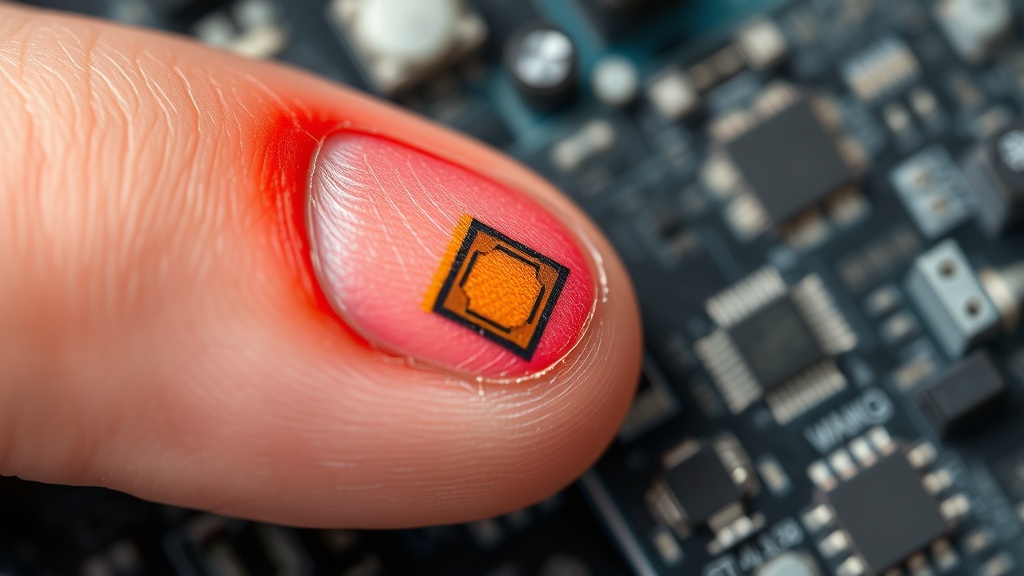
The challenge now is to integrate these skin-based electrodes with the necessary electronics for data acquisition and transmission. This typically involves pairing the painted electrodes with a small, flexible circuit board or a wearable device that can wirelessly communicate the data to a smartphone or cloud platform. The low power requirements of sensing on the skin are a significant advantage, allowing for miniaturized electronics and extended battery life.
What remains to be fully explored is the scalability of production and the long-term biocompatibility of the inks. While the current application methods are promising for bespoke designs and research settings, mass production for consumer devices will require robust manufacturing processes. Ensuring that the inks are hypoallergenic and do not cause skin irritation over extended periods of wear is paramount for widespread adoption. The research team is actively investigating these aspects, working towards inks that are not only functional but also safe and comfortable for daily use.
The broader implications are substantial. If successfully commercialized, these painted e-tattoos could democratize health monitoring, making it accessible and integrated into everyday life. They represent a paradigm shift from dedicated health devices to smart, personalized surfaces that blend technology with self-expression. This fusion of art, material science, and biomedical engineering could redefine what it means to be connected to our own health.