From Alpha to Stable: Orion Belt v1.0 Arrives
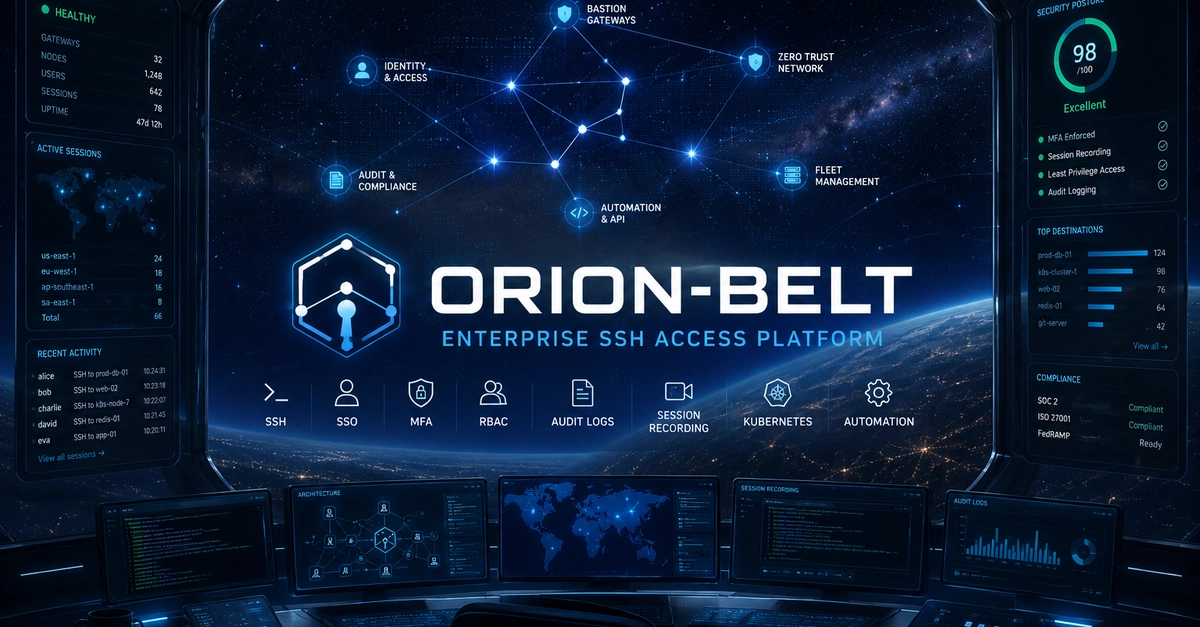
The Orion Belt project, initially introduced as an "here's the idea" alpha, has reached a significant milestone with the release of v1.0.0. This new version marks the project's move to the orion-belt-dev GitHub organization and, crucially, declares the SSH PAM (Pluggable Authentication Modules) component as stable. For developers and security professionals who found the initial alpha installation daunting, the v1.0 release offers a streamlined 10-minute path to implementation, a process that has already garnered considerable attention.
The genesis of Orion Belt lies in a common pain point observed over years of managing team access: the realization that traditional VPNs often fall short of true security and usability needs. The core problem wasn't controlling who could access a server, but rather establishing SSH access that could be thoroughly audited without resorting to opening port 22 on every machine. While access control itself was relatively straightforward, achieving robust auditability and a smooth user experience (UX) proved to be the more significant hurdles.
The Core Problem: Auditability and UX Over Access Control
Traditional jump boxes, while functional, often create a complex management overhead. Each server requiring access typically needs its own set of credentials or access lists, which quickly become difficult to manage and audit at scale. The security team's primary concern shifts from simply granting access to understanding precisely who accessed what, when, and from where, with irrefutable proof. This is where Orion Belt aims to differentiate itself.
The project's philosophy centers on providing a zero-trust bastion host solution that simplifies secure SSH access. Instead of relying on network-level access controls like VPNs or opening direct SSH ports, Orion Belt acts as an intermediary. It allows users to connect to a central point, which then manages and audits their subsequent connections to other internal servers. This approach fundamentally changes the security posture by centralizing control and visibility.
The move to a stable v1.0 for the SSH PAM component means that this core functionality is now considered production-ready. This stability is crucial for organizations looking to adopt zero-trust principles without introducing significant operational risks. The development team's decision to prioritize this aspect of the project underscores its importance in the broader goal of secure remote access.
Technical Underpinnings and How It Works
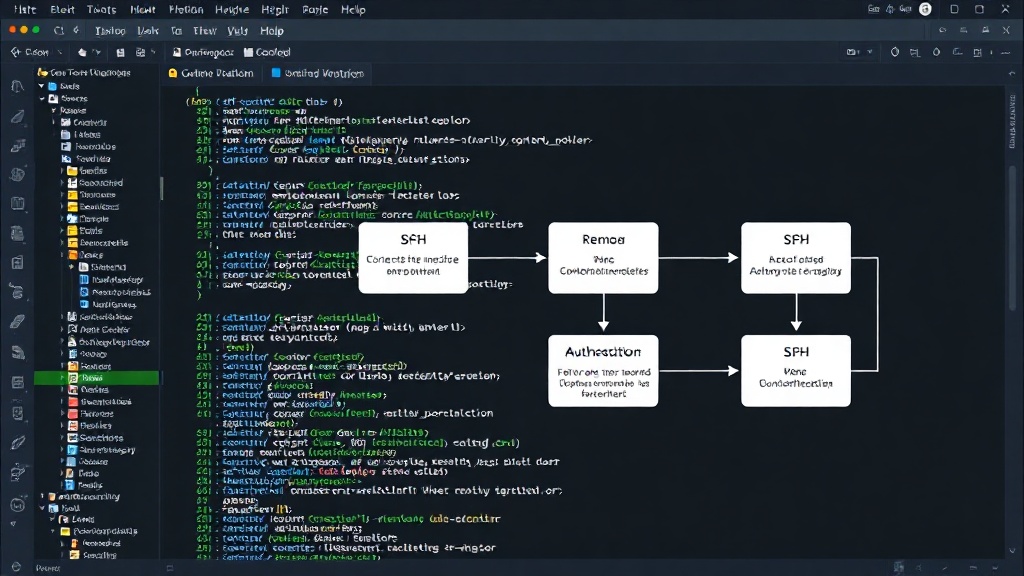
Orion Belt functions by leveraging SSH's PAM integration. When a user attempts to SSH into a server protected by Orion Belt, the PAM module intercepts the authentication request. Instead of directly authenticating the user against local credentials, it communicates with the Orion Belt control plane. This control plane is responsible for enforcing access policies, managing temporary access grants, and, most importantly, logging every authentication event and connection attempt in detail.
This centralized logging mechanism is key to Orion Belt's auditability promise. Every connection, successful or failed, is recorded. This data can then be used for security monitoring, compliance reporting, and incident investigation. Unlike traditional methods where logs might be scattered across numerous servers or incomplete, Orion Belt consolidates this critical information.
The user experience is designed to be as seamless as possible. For users, the process might involve authenticating once to the Orion Belt bastion, which then grants them temporary access to specific internal resources. This reduces the need for users to manage multiple sets of credentials or understand complex network configurations. The goal is to make secure access feel as simple as direct SSH, while providing the security team with the visibility they need.
The Path Forward: What v1.0 Means
The release of Orion Belt v1.0 is more than just a version bump; it signifies a commitment to providing a robust, self-hosted solution for modern access control challenges. By focusing on auditability and UX, the project addresses the practical shortcomings of existing solutions. The stability of the SSH PAM module means that organizations can now confidently integrate Orion Belt into their infrastructure.
The shift to the orion-belt-dev organization also signals a move towards more structured development and community engagement. This is often a precursor to further feature development and long-term support. While the v1.0 release specifically targets the SSH PAM component, the broader vision of Orion Belt likely includes expanding its capabilities to other protocols and access scenarios.
For teams struggling with the complexities of managing SSH access across a growing number of servers, Orion Belt v1.0 presents a compelling alternative. It offers a path to enhanced security through centralized auditing and a simplified user experience, moving away from the legacy of cumbersome jump boxes and opaque access logs. The 10-minute installation path, highlighted by the development team, lowers the barrier to entry, allowing more organizations to explore and adopt this zero-trust approach.
Unanswered Questions for Future Development
While v1.0 addresses the core SSH PAM functionality, several questions remain for the future of Orion Belt. The transition to a dedicated development organization suggests a roadmap is in place, but specifics are sparse. For instance, what are the plans for supporting other protocols beyond SSH, such as RDP or application-level access? How will the project scale to support very large enterprises with thousands of users and servers? Furthermore, the long-term strategy for managing secrets and credentials within the Orion Belt ecosystem, particularly as it expands, will be critical for maintaining its zero-trust ethos. The current focus on auditability is a strong foundation, but the project's ultimate success will hinge on its ability to evolve into a comprehensive, secure, and user-friendly access management platform.