
Opyt: Consolidating Your Digital Information Diet
In an era of information overload, managing the content we consume daily has become a significant challenge for professionals. From the rapid-fire updates on X (formerly Twitter) to the in-depth articles on Substack, individuals often find themselves following numerous sources but struggling to retain and access key information. Opyt emerges as a new solution aimed at transforming this fragmented digital consumption into a structured, personal knowledge base.
The core proposition of Opyt is straightforward yet powerful: it allows users to consolidate what they follow on X and Substack into a single, organized, and searchable repository. This means that instead of scattered bookmarks, unread newsletters, and endless scroll feeds, users gain a centralized hub for their curated information.
Think of Opyt less like a simple bookmarking tool and more like a dedicated digital librarian for your specific interests. This librarian doesn't just store articles; it understands the context of your follows and organizes them systematically, making retrieval efficient and intuitive. For professionals who rely on staying current with industry trends, research, and thought leadership, this consolidation is not just convenient—it's essential for deep work and informed decision-making.
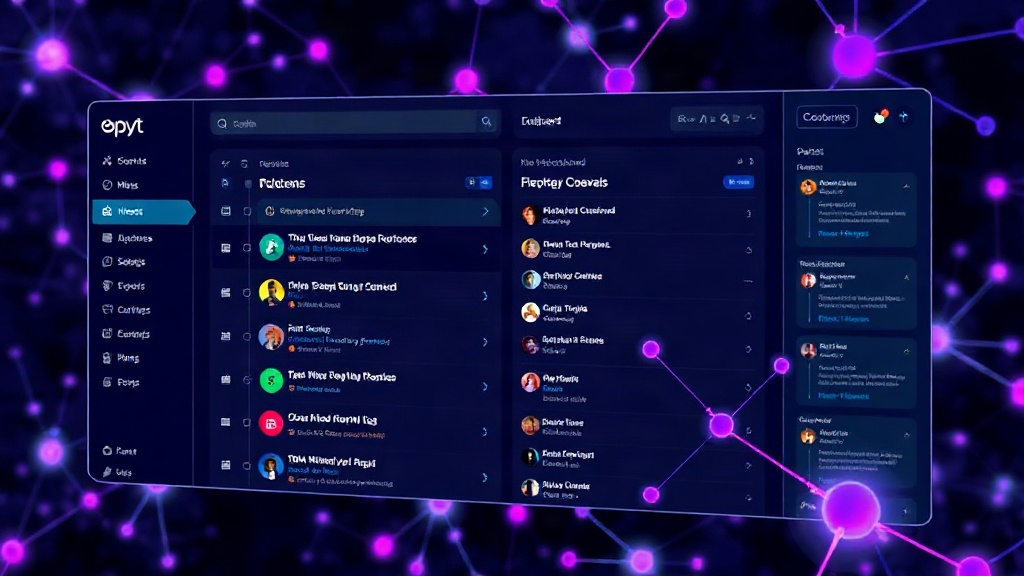
How Opyt Organizes Your Content
Opyt's functionality revolves around its ability to connect with user accounts on X and Substack. Once authorized, the platform begins to pull in content based on the accounts and topics the user actively follows. This imported content is then processed and indexed, making it searchable.
The platform aims to provide a structured environment for this ingested information. Instead of a chronological feed, Opyt likely employs tagging, categorization, or other organizational methods to help users find specific pieces of information later. The goal is to move beyond passive consumption and enable active knowledge management. This is particularly relevant for developers who follow key figures in their field, researchers tracking specific academic discussions, or founders monitoring market trends and competitor activities.
The challenge with platforms like X and Substack is their inherent design: X prioritizes real-time engagement and virality, while Substack focuses on newsletter delivery. Neither is optimized for long-term knowledge retention or deep, cross-referenced retrieval of information consumed over time. Opyt steps into this gap by acting as an intermediary, an intelligent layer that adds a crucial knowledge management dimension to these existing content streams.
The Problem Opyt Solves: Information Fragmentation
The digital landscape is characterized by an ever-increasing volume of information disseminated across various platforms. Users often subscribe to dozens of newsletters, follow hundreds of accounts on social media, and save countless articles for later reading. This fragmented approach leads to:
- Information Silos: Content from different sources remains isolated, making it difficult to draw connections or synthesize insights across them.
- Lost Information: Valuable articles or insights are easily buried under new content, leading to lost productivity and missed opportunities.
- Inefficient Retrieval: Searching for specific information across multiple platforms, bookmarks, and saved items is time-consuming and often unfruitful.
- Cognitive Load: The sheer effort of managing and trying to recall information from disparate sources increases mental fatigue.
Opyt addresses these pain points by creating a unified, searchable archive. By bringing together content from X and Substack, it provides a single point of access for a significant portion of a user's curated digital information diet. This is not just about saving links; it's about building a personal, contextualized knowledge base that can be leveraged for research, learning, and innovation.
Potential Use Cases and Implications
For developers, Opyt could serve as an invaluable tool for tracking technical discussions, code snippets shared on X, and in-depth tutorials or analyses published on Substack. Imagine being able to quickly search for a specific algorithm explanation or a framework comparison that you saw weeks ago, without having to sift through your entire X feed or email inbox.
Founders and business professionals can use Opyt to monitor industry news, competitor strategies, and expert opinions shared across these platforms. This centralized view can streamline market research and competitive analysis. Security professionals might follow specific researchers or exploit discussions on X, and Opyt could help them build a historical record of threats and vulnerabilities discussed.
Creators, too, can benefit by organizing inspiration, research, and audience feedback from platforms like X and Substack into a coherent knowledge base for their projects. The ability to recall specific ideas or discussions that influenced their work could be a significant boon.
The Future of Personal Knowledge Management
Opyt's approach taps into a growing demand for tools that help individuals manage the overwhelming flow of digital information. As more specialized content platforms emerge and social media continues to be a primary channel for information dissemination, tools that aggregate and organize this content will become increasingly critical.
The surprising detail here is not the existence of such tools, but their increasing sophistication. Early bookmarking tools were passive. Opyt's ambition to create an active, searchable *knowledge base* from social and newsletter content signals a shift toward more intelligent personal information management. The unanswered question remains: how effectively can Opyt handle the sheer volume and variety of content, and what advanced features might emerge to further enhance its knowledge-building capabilities?
As Opyt develops, its success will likely hinge on its ability to offer robust search functionalities, intelligent categorization, and seamless integration with user workflows. The promise is clear: to turn the noise of the internet into a structured asset for its users.