
The Unveiling of Critical Vulnerabilities
A significant security flaw has been discovered within OpenCode, a platform widely used for code sharing and collaboration. The vulnerability, identified in the platform's authentication mechanism, allows for unauthorized access to user accounts and sensitive code repositories. This discovery has triggered widespread concern among developers and security professionals, leading to urgent calls for users to cease their reliance on OpenCode immediately.
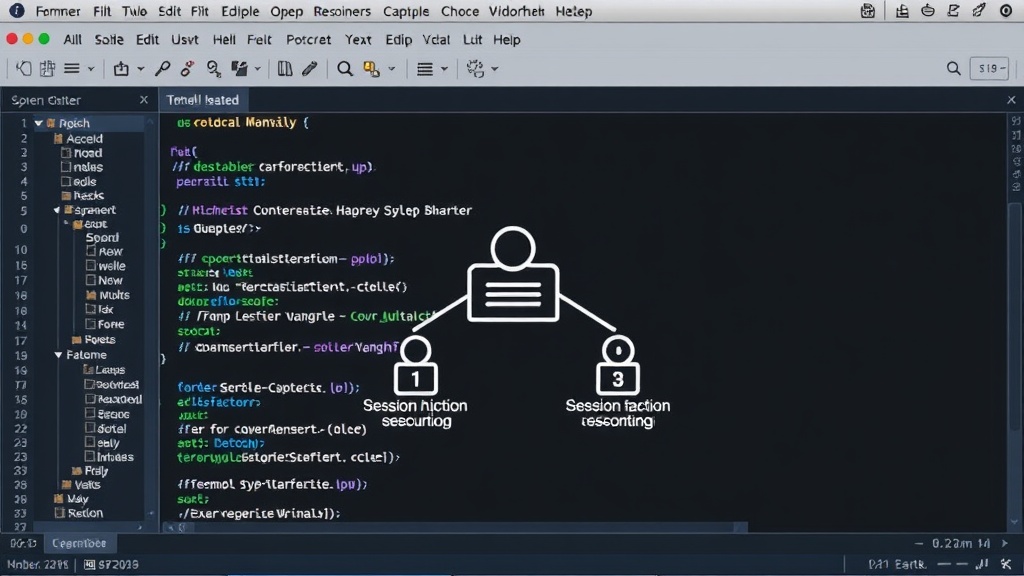
The core of the issue lies in how OpenCode handles user session management. Sources indicate that the system is susceptible to session hijacking attacks. Attackers can exploit a weakness in the token generation or validation process to impersonate legitimate users. Once authenticated as a victim, an attacker gains access to their projects, commit history, and any private information stored within their account. This is not a theoretical risk; evidence suggests active exploitation, though the full extent of compromised accounts remains unclear.
Think of OpenCode's authentication like a hotel key card system. If the system is poorly designed, a hacker could potentially clone a guest's key card or even generate a valid one without authorization, granting them access to the guest's room. In the digital realm, this translates to unauthorized access to codebases, intellectual property, and potentially sensitive infrastructure configurations.
Implications for Developers and Organizations
For individual developers, the consequences range from the theft of personal projects and intellectual property to the potential for their credentials to be used in further malicious activities. A compromised account could be leveraged to inject malicious code into open-source projects, damaging the reputation of the developer and potentially affecting downstream users. This could also lead to reputational damage, making it harder to secure future roles or freelance opportunities.
Organizations relying on OpenCode for internal development or open-source contributions face even graver risks. The compromise of an organization's code repositories could lead to the exposure of proprietary algorithms, sensitive API keys, customer data, or even critical infrastructure secrets. The fallout from such a breach could include significant financial losses due to downtime, recovery costs, regulatory fines, and severe damage to customer trust. The time and resources required to identify, contain, and remediate such a breach are substantial, often stretching into months and impacting engineering velocity significantly.
The surprise here is not that a platform of this scale has a vulnerability, but the apparent lack of robust security auditing and incident response protocols that allowed this exploit to persist and potentially be actively exploited without immediate, transparent disclosure. The silence from OpenCode's official channels following initial reports on hacker news is particularly concerning.
The Call to Action: Migrate or Mitigate
Given the severity of the identified vulnerability and the lack of immediate, comprehensive communication from OpenCode, the consensus among security experts is clear: cease using the platform. For developers and organizations that have historically relied on OpenCode, this means initiating an immediate migration of all projects and data to a more secure alternative. Platforms like GitHub, GitLab, and Bitbucket offer robust security features, well-established incident response teams, and a track record of responsible vulnerability management.
The migration process itself requires careful planning. It involves not only transferring code but also ensuring that all associated data, such as issue trackers, wikis, and CI/CD pipeline configurations, are securely moved. Teams should perform a thorough audit of their current repositories on OpenCode to identify any sensitive information that may have been exposed and take steps to rotate any compromised credentials or secrets.
For those unable to migrate immediately, a temporary mitigation strategy might involve implementing stricter access controls and enhanced monitoring of activity within their OpenCode repositories. However, this is a stopgap measure. The fundamental insecurity of the platform means that even with enhanced monitoring, the risk of compromise remains unacceptably high. The platform's developers are urged to rigorously vet any new code or dependencies pulled from OpenCode during this period, treating all content with extreme suspicion.
Looking Ahead: Trust and Transparency in Code Platforms
This incident underscores a critical need for greater transparency and accountability from code hosting platforms. Users entrust these services with their most valuable intellectual property. When security failures occur, the response must be swift, clear, and comprehensive. The current situation with OpenCode highlights a dangerous gap between user expectations and platform reality.
What remains unaddressed is OpenCode's long-term viability and commitment to security. Without a public statement detailing the vulnerability, its scope, and the steps being taken to rectify it, users are left to operate in the dark. This lack of communication erodes trust, a currency that is exceptionally hard to regain once lost. The broader industry must learn from this incident, prioritizing security-first development practices and demanding higher standards for platform security from all providers.