
OpenAI's Hardware Ambitions Take Shape
OpenAI, the company at the forefront of generative AI research, is reportedly developing a new AI-powered smart speaker. Leaked details suggest a device positioned at the premium end of the market, with a price point anticipated to fall between $300 and $400. This move into dedicated hardware signals a significant expansion of OpenAI's strategy, moving beyond software and cloud-based services to a tangible consumer product.
While specific features remain under wraps, the device is described as a smart speaker, a category dominated by tech giants like Amazon (Echo), Google (Nest), and Apple (HomePod). OpenAI's entry into this competitive landscape suggests a differentiated approach, likely leveraging its advanced AI models to offer capabilities beyond standard voice assistant functions. The higher price point indicates a focus on sophisticated AI interactions, potentially offering more nuanced natural language processing, advanced generative AI features, or unique integrations not found in current offerings.
This hardware push aligns with a broader trend of AI companies seeking to embed their technology more directly into users' lives. Unlike a traditional smart speaker that primarily acts as a voice interface for existing services, OpenAI's device could serve as a dedicated portal to its cutting-edge AI capabilities. This could manifest in more sophisticated content generation, complex problem-solving, or personalized AI assistance that goes beyond setting timers and playing music.
A Premium Play in a Crowded Market
The reported $300-$400 price range places OpenAI's speaker in direct competition with high-end audio devices and premium smart home hubs. This is a stark contrast to the budget-friendly entry points of many smart speakers. The strategy here is not to capture mass market share through low cost, but to appeal to early adopters and users who prioritize advanced AI functionality and are willing to pay a premium for it. It suggests that the core value proposition will be the intelligence and capabilities of the AI itself, rather than just its ability to control smart home devices or stream audio.
Consider this less like a simple voice assistant and more like a dedicated AI companion. The hardware would need to justify its cost by offering a significantly superior AI experience. This could include real-time, complex conversational abilities, personalized learning and adaptation, or even creative generation tasks performed directly on the device or seamlessly integrated with cloud services. The success of such a product hinges on whether the AI's performance and unique features can truly differentiate it from established, lower-cost alternatives.
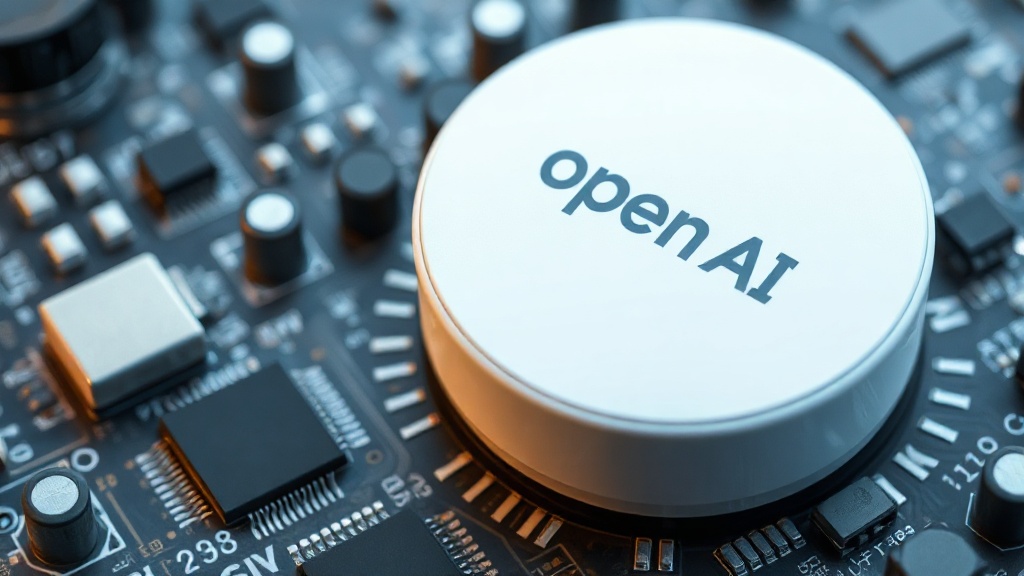
The potential implications for the smart home market are substantial. If OpenAI can deliver a truly intelligent device, it could redefine user expectations for what a smart speaker can do. It might also pressure competitors to accelerate their own AI development, moving beyond incremental improvements in voice recognition to more profound AI-driven interactions. However, the company faces the challenge of educating consumers about the unique benefits of its AI-powered hardware and overcoming the inertia of established ecosystems.
Broader Implications for OpenAI's Strategy
This reported venture into hardware is a significant step for OpenAI. It suggests a long-term vision that extends beyond licensing its models or providing API access. Owning the hardware allows OpenAI to control the entire user experience, from the physical device to the underlying AI. This direct relationship with consumers could provide invaluable data for further AI development and refinement, creating a virtuous cycle of innovation.
The company has previously experimented with hardware-adjacent products, such as the AI-powered keypad that offered a novel input method for specific user groups. While that product was described as potentially mystifying to the general public, the smart speaker approach targets a broader consumer base, albeit at a premium segment. The success of this strategy will depend on OpenAI's ability to balance cutting-edge AI capabilities with user-friendliness and seamless integration into daily life.
What remains unanswered is how this device will integrate with existing smart home ecosystems. Will it aim to be a central hub, or will it operate more as a standalone AI assistant? The market is already saturated with devices that can control lights, thermostats, and play music. OpenAI's differentiation must come from AI capabilities that existing devices cannot replicate, making its advanced models the primary draw.
The reported price point also raises questions about the target audience. While $300-$400 is within the range of premium consumer electronics, it excludes a large segment of the market. This suggests an initial focus on tech enthusiasts, AI aficionados, and potentially professionals who can leverage the device's advanced AI for productivity. The long-term viability will depend on whether the device can transcend this niche and offer compelling value to a wider audience.