OpenAI Explores Public Stake in AI Future
OpenAI CEO Sam Altman has reportedly proposed donating approximately 5% of the company’s equity to a newly established U.S. sovereign wealth fund. This significant move, if realized, would mark a novel approach to distributing the immense potential financial gains generated by artificial intelligence technologies among the public. The proposal surfaces as discussions intensify around the societal implications of advanced AI and how its benefits should be shared.
The core idea behind this proposition is to create a mechanism where the public, through a government-backed entity, can partake in the economic upside of AI development. This contrasts sharply with the current model where the vast majority of profits from AI advancements are concentrated within a few private companies and their investors. Altman's reported initiative seeks to preemptively address growing concerns that the AI revolution could exacerbate wealth inequality.
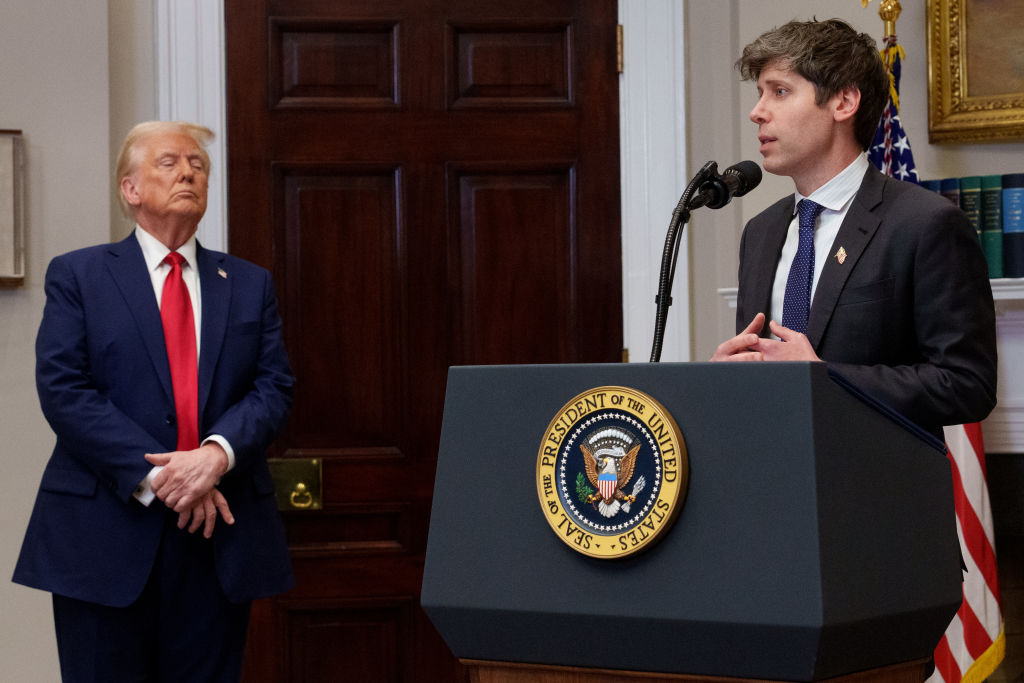
Sources indicate that Altman has been in active discussions with the Trump administration regarding this proposal. The exact structure of such a fund and the governance mechanisms for its eventual distribution remain subjects of ongoing deliberation. However, the willingness of OpenAI, a leading force in AI research and development, to consider such a public-facing equity model is a noteworthy development. It signals a potential shift in how AI companies might engage with societal responsibilities and public benefit.
Navigating Political Currents and Public Perception
The timing of this proposal is critical, emerging at a time of heightened political scrutiny and public debate surrounding AI's rapid advancement. Former President Donald Trump has previously expressed skepticism about AI and its potential impact on American jobs, making this offer a strategic move to potentially win over critics and shape public perception. The Ars Technica report suggests that this offer is considerably lower than targets previously discussed by figures like Senator Bernie Sanders, who has advocated for more substantial public benefit from AI.
The involvement of the Trump administration suggests a focus on national interests and economic competitiveness. A sovereign wealth fund, typically managed by a government to invest national savings for the benefit of its citizens, could be seen as a vehicle to channel AI-driven wealth back into the U.S. economy. This could manifest in various ways, from funding public services and infrastructure to supporting education and retraining programs for workers displaced by automation.
However, the complexities of such an arrangement are substantial. Questions abound regarding the valuation of OpenAI’s equity, the operational independence of the proposed fund, and the criteria for distributing its returns. There is also the inherent tension of a private entity attempting to shape public policy through equity offerings, a dynamic that will likely be scrutinized by regulators and the public alike.

The Broader Implications for the AI Landscape
If this proposal moves forward, it could set a precedent for other major AI companies. The pressure to demonstrate public benefit and share the economic dividends of AI is likely to grow. Companies that have benefited immensely from government research grants, public data, and a skilled workforce might face increasing calls to reciprocate in tangible ways.
OpenAI's move, while still in the proposal stage, forces a broader conversation about the governance of artificial intelligence. It moves beyond purely technical or commercial considerations to address the fundamental question of who ultimately benefits from these powerful technologies. The concept of a sovereign wealth fund tied to AI equity could be a nascent step towards a more inclusive model for the digital economy.
The exact percentage, 5%, is a concrete number, but its true value will depend on OpenAI's future valuation. For context, if OpenAI were valued at $1 trillion, 5% would represent a $50 billion stake. This is substantial enough to have a real impact on public finances. Conversely, if the valuation is significantly lower, the impact would be more modest. The challenge for Altman and OpenAI will be to navigate the intricate negotiations with the administration and to clearly articulate the long-term vision for this public-private partnership.
What remains to be seen is whether this proposal is a genuine attempt at broad public benefit sharing or a strategic maneuver to gain political favor and preempt stricter regulatory measures. The specifics of the fund's structure, its oversight, and its ultimate beneficiaries will be crucial in determining its true impact and legacy.