
Introducing GPT-Live: A New Era of Model Observability
OpenAI has unveiled GPT-Live, a novel platform designed to offer real-time observability into the performance and behavior of GPT models. This tool marks a significant step forward in the operationalization of large language models, addressing a critical need for developers and researchers who deploy these models in production environments. Until now, understanding how a deployed model was performing, identifying potential issues, or diagnosing unexpected outputs often involved complex logging, post-hoc analysis, and a significant amount of guesswork. GPT-Live aims to demystify this process by providing immediate, actionable insights.
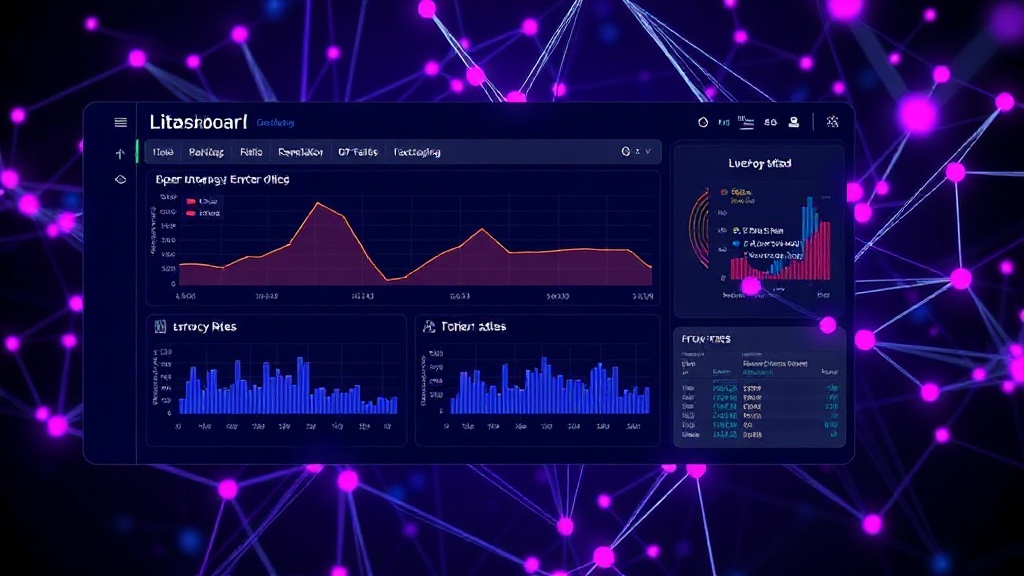
The core of GPT-Live is its ability to stream key performance indicators and behavioral data directly from running GPT models. This data can include latency metrics, token generation rates, error occurrences, and even content-specific analysis such as toxicity scores or adherence to predefined output formats. By visualizing these metrics in a live dashboard, users can gain an unprecedented understanding of their model's day-to-day operations. This is akin to having a live telemetry feed for a complex piece of machinery; instead of waiting for a breakdown to diagnose a problem, you see the warning signs as they appear.
Key Features and Functionality
GPT-Live offers a suite of features tailored to the unique challenges of managing LLMs. Its real-time dashboard is the central hub, presenting a consolidated view of model health. Users can monitor:
- Latency and Throughput: Track how quickly the model responds to prompts and how many requests it can handle per unit of time. This is crucial for ensuring a smooth user experience and managing infrastructure costs.
- Error Rates: Identify and categorize errors, such as API failures, malformed responses, or content policy violations, as they occur. The system can alert users to spikes in specific error types.
- Output Quality Metrics: While still evolving, initial versions of GPT-Live can provide proxy metrics for output quality. This might include measures of repetitiveness, adherence to prompt constraints, or even sentiment analysis of generated text.
- Resource Utilization: Monitor the computational resources (CPU, GPU, memory) consumed by the model, helping to optimize deployment configurations and predict scaling needs.
Beyond the dashboard, GPT-Live integrates with common deployment workflows. Developers can set up custom alerts for specific thresholds or anomalies, ensuring they are notified immediately if a model deviates from expected behavior. For instance, an alert could be triggered if the average response latency exceeds a predefined limit for more than five minutes, or if the rate of toxic output detection rises sharply.
The Developer Experience: Debugging and Optimization
The impact of GPT-Live on the developer experience is profound. Debugging LLM applications has historically been a black box problem. When a user reports an issue, developers often struggle to reproduce the exact conditions or identify which part of the model's generation process went awry. GPT-Live provides the necessary context by logging the prompt, the model's response, and associated performance metrics for each interaction. This allows developers to pinpoint the exact request that led to an undesirable outcome and analyze the accompanying data to understand why.
Optimization is another area where GPT-Live shines. By observing real-time performance, teams can make informed decisions about fine-tuning models, adjusting inference parameters, or even selecting different model architectures for specific tasks. For example, if a particular type of prompt consistently results in high latency, teams can investigate whether a smaller, specialized model might be more efficient for that use case. This iterative improvement cycle, powered by live data, is essential for building robust and cost-effective AI applications.
Broader Implications for LLM Deployment
GPT-Live is more than just a debugging tool; it represents a maturation of the LLM deployment landscape. As these models become integral to business operations, their reliability and predictability become paramount. The ability to monitor and manage LLMs in real-time shifts them from experimental tools to dependable components of larger systems. This increased confidence in deployed models will likely accelerate their adoption across industries.
The platform's focus on observability also has implications for model governance and safety. By tracking metrics like toxicity, bias, or PII leakage in real-time, organizations can implement more effective guardrails and respond swiftly to emerging risks. This proactive approach to AI safety is critical as models become more powerful and their applications more widespread.
What remains to be seen is how GPT-Live will evolve to handle the sheer scale and complexity of future models. As models grow larger and more multimodal, the volume of data generated will increase exponentially. OpenAI's challenge will be to ensure GPT-Live remains performant, scalable, and cost-effective for a diverse range of users, from individual developers to large enterprises. The success of this platform hinges on its ability to provide deep insights without overwhelming users with raw data.
Looking Ahead
GPT-Live is a clear signal that the focus in LLM development is shifting from pure research and capability to robust engineering and operational excellence. The availability of such tools is essential for bridging the gap between cutting-edge AI research and reliable, production-ready applications. Developers can now approach LLM deployment with greater assurance, armed with the insights needed to build, maintain, and optimize their AI-powered products effectively.