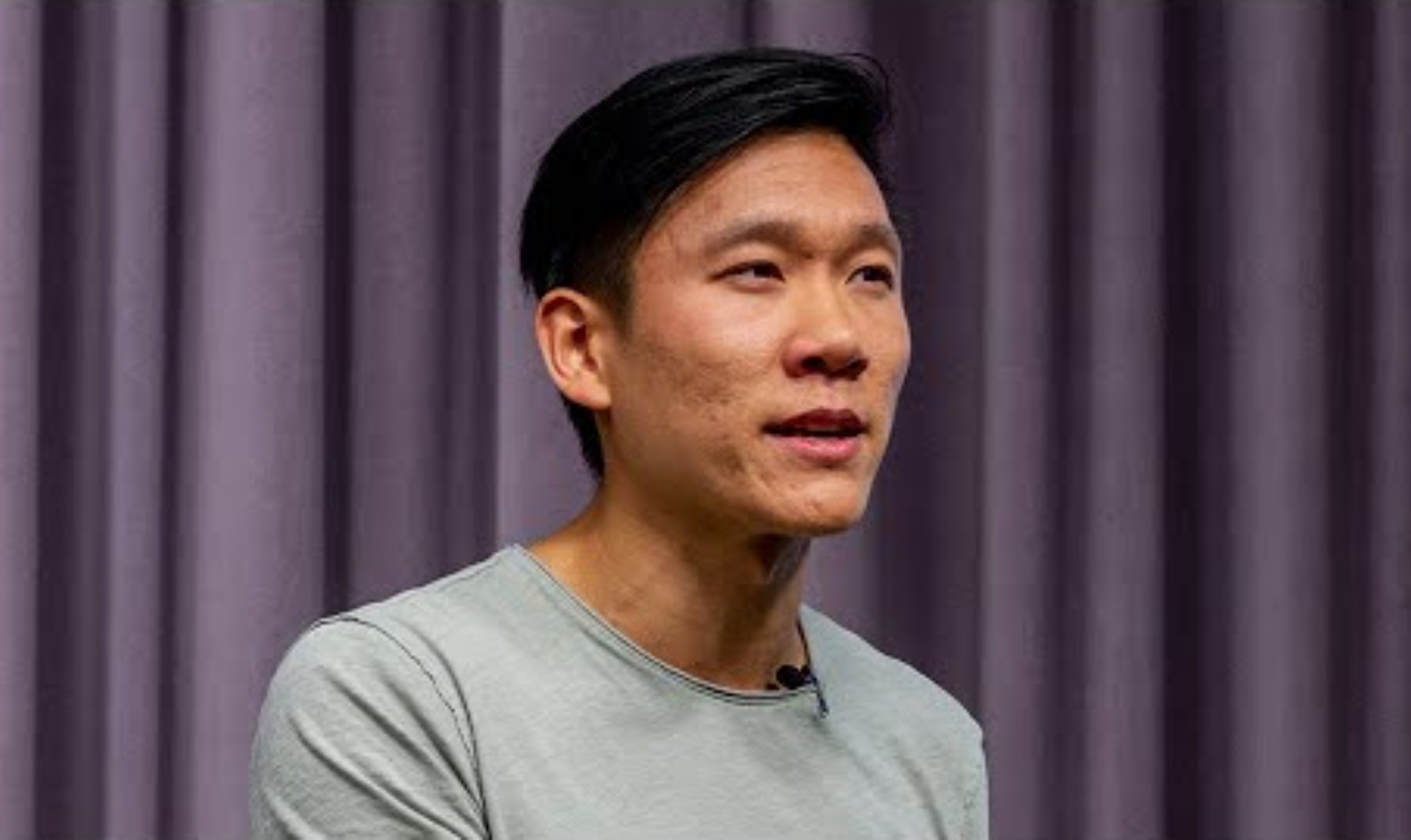
OpenAI Taps Patreon Veteran to Build Creator Ecosystem
OpenAI has appointed Sam Yam, a pivotal figure in the growth of creator monetization platform Patreon, to lead its newly formed Creator Product division. Yam, who co-founded Patreon with Jack Conte over 13 years ago, will be tasked with developing an ecosystem designed to enhance the utility of OpenAI’s offerings, such as ChatGPT, for creators and their associated partners. This strategic hire signals a significant push by OpenAI to integrate its advanced AI capabilities more deeply into the workflows of content creators, aiming to unlock new avenues for monetization, content generation, and audience engagement.
Yam’s tenure at Patreon saw him play a key leadership role, instrumental in shaping the platform into a go-to destination for creators seeking to build sustainable careers through direct fan support. His departure from Patreon, along with two colleagues, underscores the significance of his move to OpenAI. The company, already a dominant force in generative AI research and development, is now focusing on translating its foundational models into tangible, user-friendly products that cater specifically to the needs of the burgeoning creator economy. This move suggests OpenAI recognizes that broader adoption and sustained impact will require more than just powerful underlying technology; it necessitates intuitive tools and platforms that empower individuals to leverage that technology effectively.
The creator economy, valued in the hundreds of billions of dollars, is characterized by a diverse range of participants, from individual YouTubers and Twitch streamers to musicians, writers, and artists. These creators rely on a complex web of tools and platforms to produce content, manage their communities, and generate revenue. OpenAI’s ambition appears to be capturing a significant share of this market by offering AI-powered solutions that can streamline creative processes, personalize audience interactions, and create novel forms of digital content. Yam’s experience in building a platform that directly addresses creator needs makes him a logical choice to spearhead this initiative.
Bridging the Gap Between AI and Creative Workflows
The core mandate for Yam’s new division will be to identify and develop products that allow creators to harness the power of AI without requiring deep technical expertise. This could range from tools that assist in scriptwriting, video editing, music composition, and graphic design to platforms that facilitate personalized fan interactions or enable the creation of entirely new forms of AI-generated content. The goal is to make AI feel less like a complex technological frontier and more like an indispensable co-pilot for creative endeavors.
Consider the current landscape: many creators already experiment with AI tools, often in fragmented ways. They might use AI for idea generation, for drafting social media posts, or even for generating background elements in their visual art. However, these tools are often disparate, requiring creators to stitch together different services and workflows. OpenAI’s move, under Yam’s leadership, aims to create a more integrated and seamless experience. This could involve developing APIs that allow AI models to be embedded directly into existing creator tools, or building standalone applications that offer a comprehensive suite of AI-powered creative assistance.
One of the most significant challenges for creators is the relentless demand for new content and the constant pressure to engage with their audience. AI has the potential to alleviate some of this burden. For instance, AI could help creators analyze audience sentiment to tailor content, generate personalized responses to fan messages, or even create unique digital merchandise. Yam’s background at Patreon, a platform built on fostering direct relationships between creators and their patrons, suggests a strong understanding of the creator-patron dynamic. This insight will be crucial in designing products that not only boost productivity but also deepen creator-audience connections.
The Competitive Landscape and Future Implications
OpenAI is not the only technology giant vying for the attention of creators. Companies like Google, Adobe, and Meta are all investing heavily in AI tools for content creation and distribution. Google, for example, has been integrating AI across its product suite, from Workspace to YouTube. Adobe has made significant strides with its Firefly generative AI models, embedding them into its Creative Cloud applications. Meta is also exploring AI's role in its metaverse ambitions and creator tools.
The surprising detail here is not that OpenAI is building creator tools, but the specific focus on hiring a veteran from a platform like Patreon. This signals a deliberate strategy to move beyond raw AI model development and into the realm of creator-centric platforms and services. It suggests a recognition that the path to widespread AI adoption in creative fields lies in understanding and serving the unique needs and economic models of creators, rather than simply offering powerful but generic AI capabilities.
What nobody has addressed yet is the potential for these new creator products to fundamentally alter the economics of content creation. If AI tools can significantly reduce the time and cost associated with producing high-quality content, it could democratize creation further, allowing more individuals to compete. However, it also raises questions about the value of human creativity, the potential for AI-generated content to flood platforms, and how intellectual property rights will be managed in an era of AI-assisted or AI-generated works. Yam's leadership will be critical in navigating these complex issues and ensuring that OpenAI's creator products foster a sustainable and equitable ecosystem.
Referenced Sources
- verified
- verified