What is Self-Sovereign Identity (SSI)?
Self-Sovereign Identity (SSI) is a framework that allows individuals and organizations to control their own digital identities and share verified credentials without relying on a central authority. This paradigm shift empowers users with greater privacy and control over their personal data, while also providing robust mechanisms for verifying the authenticity of credentials.
SSI is built around the concept of decentralized identifiers (DIDs) and verifiable credentials. DIDs are unique identifiers that are controlled by the entity they represent, enabling them to manage their own identity data. Verifiable credentials are digital assertions that can be issued by one party and verified by another, ensuring the authenticity and integrity of the information shared.
The core principle of SSI is user empowerment. Unlike traditional identity systems where entities like governments or corporations manage user data, SSI places the user at the center. Users decide what information to share, with whom, and for how long. This model is particularly relevant in an era where data privacy and security are paramount concerns for individuals and regulatory bodies alike.
Why Open-Source SSI?
The decision to open-source the SSI SDK stems from a belief in the power of community-driven development and the need for widespread adoption of SSI technologies. Open-sourcing fosters transparency, allowing developers to inspect the code, identify potential vulnerabilities, and contribute to its improvement. It also lowers the barrier to entry for developers and organizations looking to build SSI-enabled applications.
By making the SDK freely available, the project aims to accelerate innovation in the digital identity space. Developers can leverage the existing codebase to build new solutions, integrate SSI capabilities into existing systems, or experiment with novel use cases. This collaborative approach is essential for building a robust and trustworthy decentralized identity ecosystem.
The benefits of an open-source SSI SDK extend beyond just cost savings. It allows for greater interoperability between different SSI solutions and ensures that the technology evolves in a way that is aligned with the needs of the community. This stands in contrast to proprietary solutions, which can often lead to vendor lock-in and limited flexibility.
Key Components and Functionality
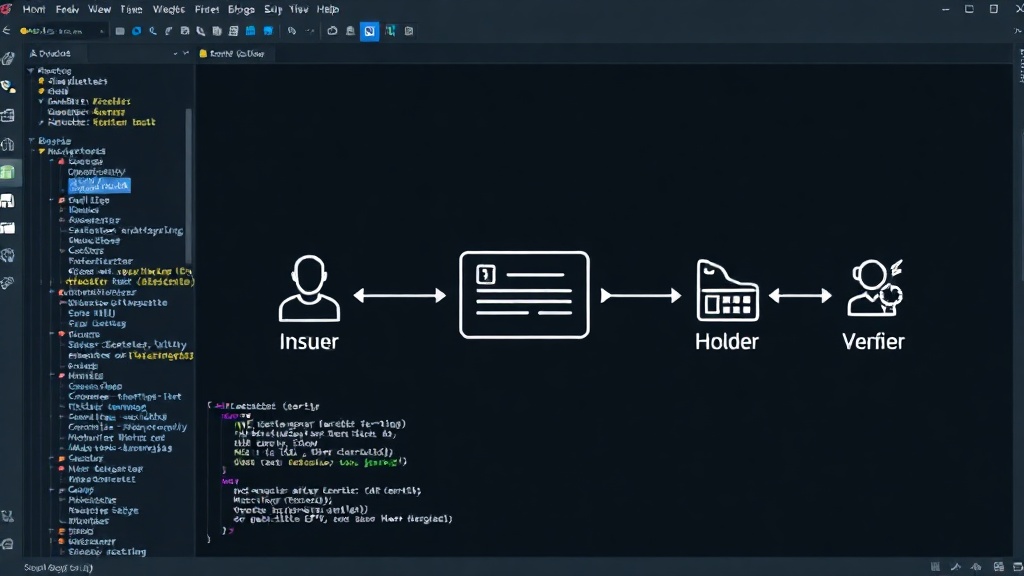
The open-source SSI SDK provides a set of tools and libraries designed to simplify the implementation of SSI solutions. While the specific technical details might vary, such SDKs typically offer functionality for:
- DID Management: Creating, resolving, and revoking Decentralized Identifiers. This involves interacting with DID methods, which define how DIDs are created, resolved, and managed on a specific distributed ledger or network.
- Verifiable Credential Issuance: Enabling trusted parties to issue verifiable credentials to users. This process involves cryptographic signing and ensuring compliance with credential schema standards.
- Verifiable Credential Presentation: Allowing users to selectively disclose specific credentials or parts of credentials to relying parties for verification. This is a crucial aspect of user privacy, as it avoids oversharing data.
- Credential Verification: Providing mechanisms for relying parties to verify the authenticity and integrity of presented credentials. This typically involves checking the issuer's signature and ensuring the credential has not been revoked.
- Wallet Integration: Facilitating the integration with digital wallet applications where users store and manage their DIDs and verifiable credentials.
These components work together to create a seamless experience for users and developers. For instance, a user might present a verifiable credential for their age (issued by a government) to access a service that requires them to be over 18. The service's verifier would then check the credential's authenticity and validity without needing to store the user's personal details.
The Future of Digital Identity
The development and adoption of open-source SSI SDKs are critical steps towards realizing the full potential of decentralized digital identities. As more developers contribute to and utilize these tools, we can expect to see a proliferation of innovative applications that leverage SSI for enhanced privacy, security, and user control.
The shift towards SSI represents a fundamental change in how we think about digital identity. It moves away from siloed, centralized databases towards a more user-centric, decentralized model. This has profound implications for various sectors, including finance, healthcare, education, and government services, where secure and verifiable identity is essential.
The surprising detail here is not just the existence of another SSI SDK, but the explicit commitment to open-sourcing it. This signals a broader trend towards collaborative development in the decentralized identity space, recognizing that no single entity can build the future of identity alone. The challenge now lies in driving adoption and ensuring these tools are accessible and user-friendly for a global audience.
What nobody has fully addressed yet is the long-term governance of these open-source SSI projects. As they mature, how will decisions be made? Who will maintain them? Establishing clear governance models will be crucial for their sustained success and widespread trust.