
Protecting Physical Servers with Open-Source Tools
A new open-source project, dubbed `luks-deadman`, offers a robust defensive security toolkit for Linux systems, specifically targeting the protection of physical servers. Developed by QxNode and shared with the community, this project addresses critical security concerns arising from unauthorized physical access or tampering.
The toolkit integrates two primary mechanisms: a USB kill switch and a dead man's switch. These are designed to trigger a system wipe and reboot, thereby safeguarding sensitive data stored on LUKS-encrypted drives in the event of physical compromise.
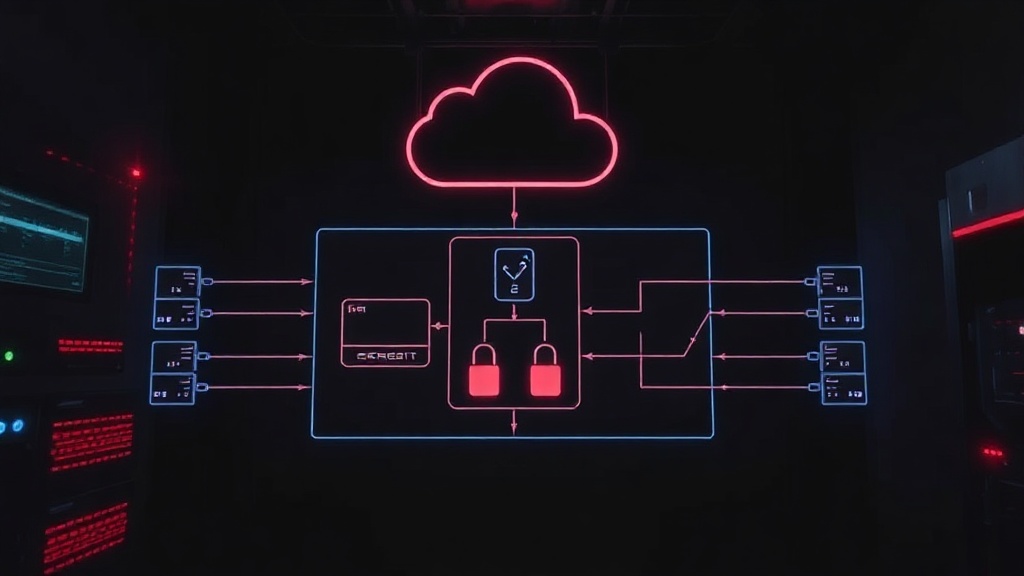
The USB Kill Switch Mechanism
The USB kill switch is a powerful deterrent against physical intrusion. Its core functionality is straightforward: if a connected USB device is unplugged, the system interprets this as a potential security breach. In response, it immediately initiates a wipe of the LUKS (Linux Unified Key Setup) encryption keys. This action renders the encrypted data inaccessible. Following the key wipe, the system undergoes a mandatory reboot, ensuring that any attacker attempting to access the server after unplugging a device faces a blank slate and a locked-down system.
This feature is particularly relevant for servers housed in co-location facilities or other environments where physical access, while controlled, is not entirely impossible. The reliance on USB device presence as a security proxy is a clever, albeit blunt, instrument for detecting unauthorized physical disconnection. It means that any legitimate maintenance requiring USB device removal must be carefully coordinated with the system's security state, or the system must be temporarily placed in a 'maintenance mode' to prevent unintended wipes.
The Dead Man's Switch Functionality
Complementing the USB kill switch is the dead man's switch. This feature operates on a timed interval, typically set to 24 hours. The system is expected to periodically send a 'heartbeat' signal to a designated monitoring service. If this heartbeat signal is not received within the 24-hour window, the dead man's switch is triggered. Similar to the USB kill switch, this triggers a wipe of the LUKS keys and a system reboot.
The dead man's switch is designed to detect scenarios where a server might be compromised in a way that doesn't involve direct physical tampering with USB devices. For instance, if a server is taken offline, network connectivity is disrupted, or an attacker gains control and disables the heartbeat mechanism, the dead man's switch will activate. This ensures that even in the absence of direct physical intervention, the data remains protected.
The choice of a 24-hour interval is a critical balance. It needs to be long enough to accommodate legitimate network outages or maintenance periods but short enough to ensure data is not exposed for an extended period after a compromise. Users can likely configure this interval, though the default highlights the project's focus on aggressive data protection.
Web-Based Control and Notifications
Adding a layer of remote management and control, the `luks-deadman` project includes a web-based manual kill switch. This interface is protected by token authentication, meaning only authorized users with the correct token can activate it. This provides an additional, on-demand method to trigger the data wipe and reboot sequence if a threat is detected remotely or through other monitoring means.
Furthermore, the project integrates USB device control via a web UI, leveraging `USBGuard`. This allows administrators to manage which USB devices are permitted to connect to the server, adding a granular level of control over physical peripherals. This is crucial for preventing the introduction of rogue USB devices that could be used for data exfiltration or further compromise.
The entire system is designed to operate within a private network, utilizing services like Tailscale for secure, private connectivity. This limits exposure to the public internet and enhances the overall security posture. Notifications for critical events, such as the triggering of a kill switch or security alerts, are sent via Discord, ensuring administrators are promptly informed of any security incidents.
Security Model and Community Input
The `luks-deadman` project is presented as an open-source defensive security toolkit. The developer explicitly welcomes feedback, pull requests, and criticism, with a particular emphasis on identifying potential weaknesses in the security model. This collaborative approach is vital for security tools, as community scrutiny can uncover vulnerabilities that individual developers might overlook.
The project's repository is available on GitHub, allowing interested parties to inspect the code, contribute, and adapt it to their specific needs. The focus on LUKS encryption means it integrates with a widely adopted standard for disk encryption on Linux, making it applicable to a broad range of server deployments.
What remains to be seen is how robust the implementation is against sophisticated attackers who might attempt to bypass these mechanisms. For instance, an attacker with physical access might attempt to interrupt the wipe process or tamper with the system before the kill switch activates. The effectiveness of the token authentication for the web UI and the secure handling of the Discord notification tokens are also key areas for community review. Nevertheless, for many use cases involving the protection of valuable data on physically accessible servers, `luks-deadman` offers a compelling, open-source solution.