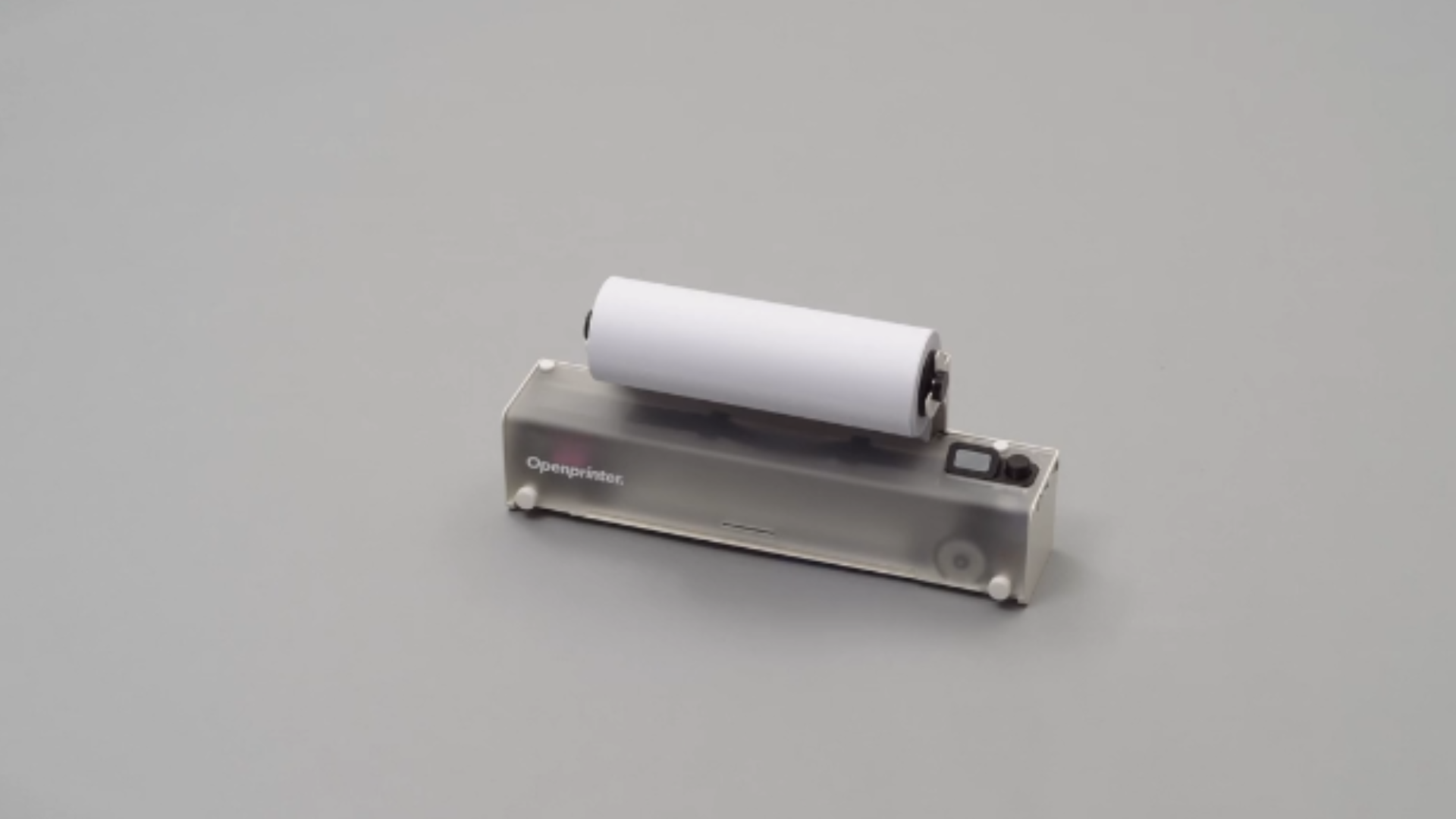
Open Printer Prototype Surfaces Amidst Ongoing Development
The Open Printer, a project spearheaded by Paris-based startup Open Tools, has surfaced in its first video showcasing a working prototype. This development comes nine months after the initial reveal of a printer designed to circumvent the proprietary ecosystems that plague the industry. The core promise of the Open Printer remains: a fully open-source, DRM-free inkjet printer that users can repair themselves, free from mandatory subscriptions and proprietary ink cartridges. This commitment to user autonomy and repairability positions it as a direct challenge to the established printer manufacturers who often lock users into costly consumables and limited service options.
While the appearance of a functional prototype is a significant step, it arrives with a familiar set of unanswered questions. Crucially, there is still no announced price, ship date, or official print speed for the device. This lack of concrete commercial details, despite the prototype's existence and the project's nine-month gestation, suggests that Open Tools is still navigating the complex path from concept to market. The startup has, however, garnered some industry recognition, with the Open Printer receiving nominations for two French Design Awards. This acknowledgment, while positive, does not directly address the practicalities of mass production, distribution, or the final cost to consumers.
The open-source nature of the printer extends beyond its hardware. Open Tools aims to provide all necessary software and firmware under open-source licenses. This philosophy is intended to foster a community of developers and users who can contribute to the printer's improvement, develop custom functionalities, and ensure long-term support independent of the original creators. This is a stark contrast to the closed, proprietary systems common in the consumer printer market, where firmware updates can disable third-party ink or even older hardware, forcing users to upgrade.
Addressing the Printer Industry's Core Problems
The traditional printer market operates on a business model that often prioritizes recurring revenue from ink and toner sales over the longevity and usability of the hardware itself. Manufacturers frequently employ technical measures, such as microchips in cartridges or encrypted firmware, to prevent the use of non-proprietary supplies or to restrict repairs to authorized service centers. This creates a cycle where consumers are compelled to purchase expensive, brand-specific consumables, even when cheaper, compatible alternatives exist. Furthermore, the difficulty and cost of repairing printers often lead to them being discarded, contributing to electronic waste.
Open Tools seeks to dismantle this model entirely. Their approach is rooted in the principles of open hardware and software, drawing parallels to the success of projects like the Raspberry Pi, which empowered a new generation of makers and developers. The Open Printer is envisioned as a platform, not just a disposable appliance. The user-repairability aspect is central to this vision. By making schematics, parts lists, and repair guides readily available, Open Tools empowers users to maintain and fix their printers, extending their lifespan and reducing the total cost of ownership. This is less about offering a cheaper initial purchase price and more about a fundamentally different economic relationship between the manufacturer and the consumer – one built on transparency and user empowerment.
The potential impact of such a product is significant. For consumers, it offers the promise of freedom from vendor lock-in and the escalating costs of proprietary consumables. For developers and tech enthusiasts, it presents an opportunity to engage with and improve a piece of hardware, potentially leading to innovative new uses and functionalities. The nomination for French Design Awards suggests that the aesthetic and conceptual design of the Open Printer is also being recognized, indicating that the project is not just technically ambitious but also thoughtfully designed from a user-experience perspective.
The Road Ahead: From Prototype to Product
Despite the positive steps, the path forward for the Open Printer is fraught with challenges familiar to any hardware startup. The transition from a working prototype to a mass-produced, commercially viable product requires substantial investment, sophisticated supply chain management, and rigorous quality control. The absence of a price or ship date nine months after the initial announcement indicates these hurdles are actively being addressed, but not yet overcome.
One of the primary challenges will be achieving a competitive print speed and quality while maintaining the open-source and repairable ethos. Established manufacturers have decades of R&D invested in optimizing these aspects. Open Tools must demonstrate that their open approach can deliver a product that meets reasonable user expectations for performance. Competing on price alone might be difficult, given the economies of scale enjoyed by larger corporations. Therefore, the value proposition will likely need to lean heavily on the long-term cost savings, environmental benefits, and the freedom from proprietary restrictions.
The success of the Open Printer will ultimately depend on its ability to attract a dedicated user base willing to embrace its open philosophy and perhaps overlook initial performance gaps in exchange for greater control and lower long-term costs. The community aspect, fostered by open-source principles, will be critical. If Open Tools can build a robust community that contributes to software development, troubleshooting, and even hardware modifications, it could create a self-sustaining ecosystem that rivals the longevity and adaptability of proprietary systems. The nominated design awards offer a glimmer of hope, suggesting that the project has the potential to capture attention beyond the technically inclined, appealing to a broader audience concerned with sustainable and user-centric technology.