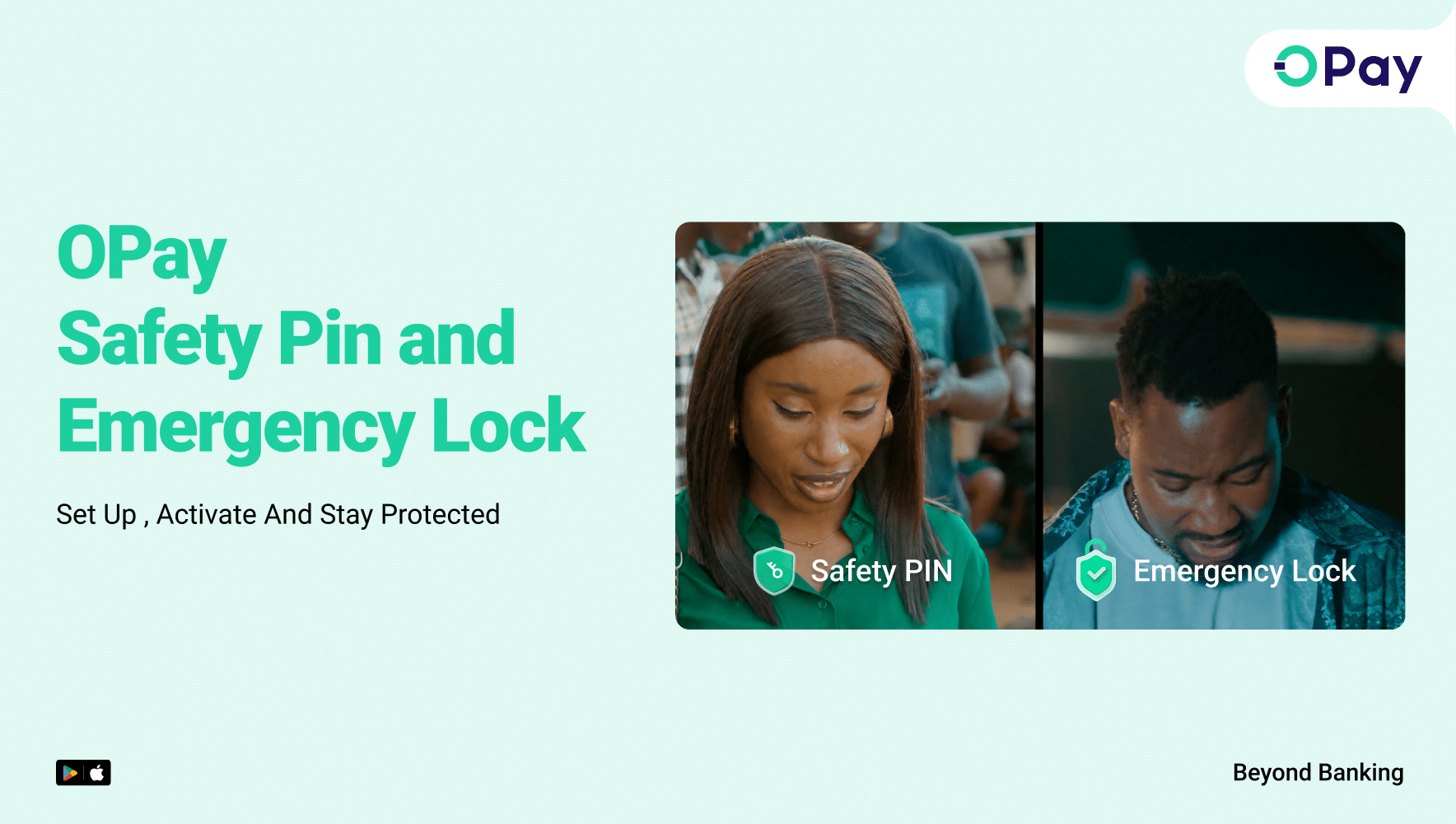
OPay Fortifies Security with Emergency Lock and Safety PIN
OPay, a dominant force in Nigeria's fintech landscape, has launched two significant security enhancements: the Emergency Lock feature and a dedicated Safety PIN. These additions aim to provide users with greater control over their accounts and offer immediate recourse in suspected fraudulent situations. The move comes as digital financial services become increasingly integrated into daily life for millions of Nigerians, making robust security measures paramount.
The Emergency Lock is designed as an instant, one-tap solution for users who believe their account may be compromised. Upon activation, it immediately locks the OPay account, preventing any further transactions or access by unauthorized individuals. This feature offers a critical first line of defense, buying users valuable time to secure their funds and report potential fraud to OPay's customer support without the risk of immediate financial loss.
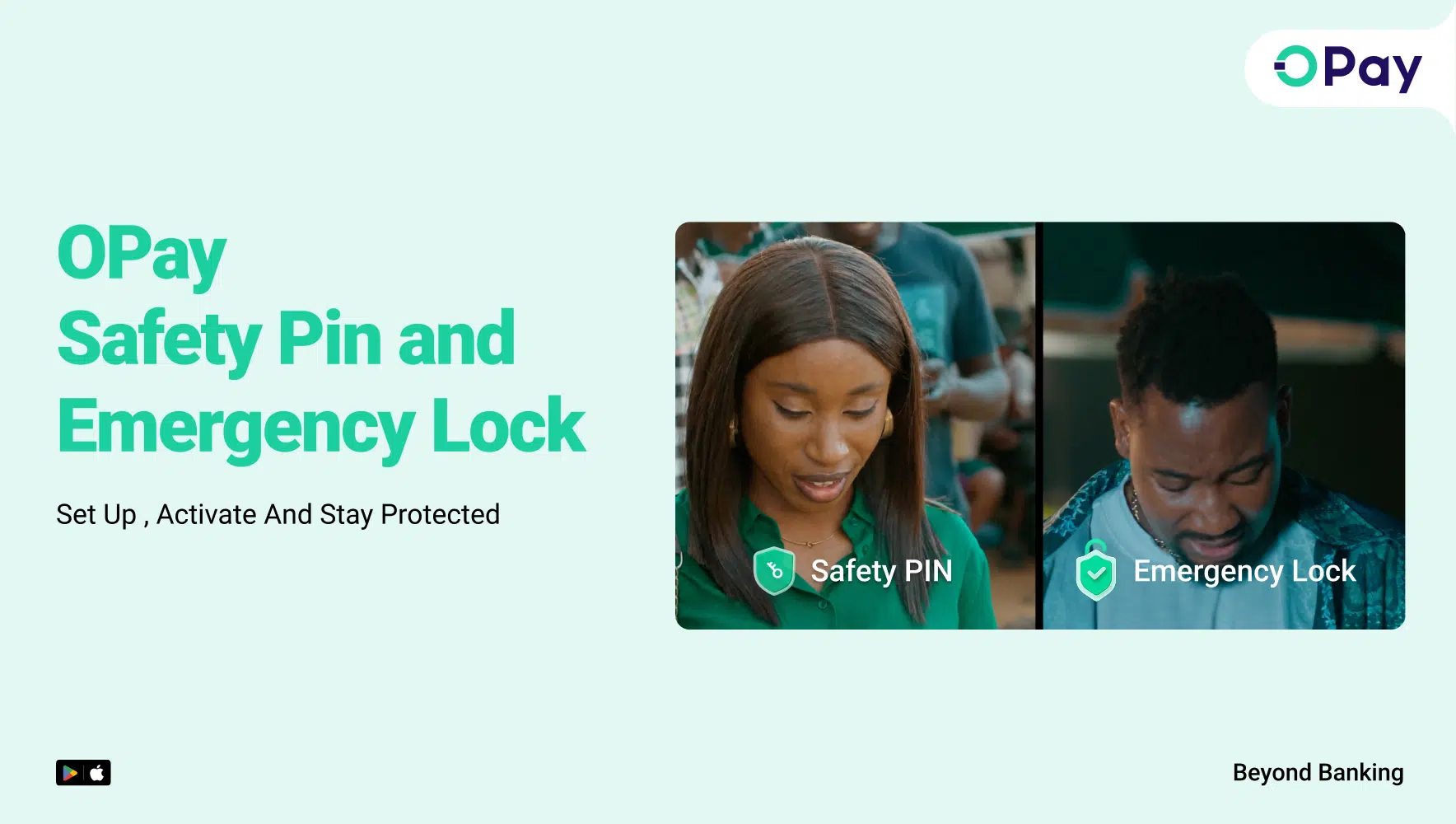
Understanding the Safety PIN
Complementing the Emergency Lock is the Safety PIN. This is a four-digit code that users will be prompted to set up and will be required to enter for specific sensitive operations within the app. Unlike a traditional login password, the Safety PIN is intended as an additional layer of security for high-risk actions, such as changing linked phone numbers, updating bank details, or initiating large withdrawals. By requiring a separate PIN, OPay aims to mitigate risks associated with phishing attempts or the compromise of primary login credentials.
The introduction of these features reflects a proactive approach by OPay to address the growing concerns around digital fraud in Nigeria. While OPay has previously implemented security protocols, the Emergency Lock and Safety PIN represent a significant upgrade in user-empowered security tools. They move beyond passive security measures to offer active, immediate intervention capabilities directly to the user.
Setting up the Safety PIN is a straightforward process integrated into the OPay app's security settings. Users are guided through the setup, which involves choosing a unique four-digit code and confirming it. OPay emphasizes that this PIN should be kept confidential and distinct from any other passwords or PINs used by the customer. The company also advises users to enable biometric security options like fingerprint or facial recognition where available on their devices, further strengthening their account security.
How to Use Emergency Lock and Safety PIN
To activate the Emergency Lock, users can navigate to the security section of the OPay app and select the 'Emergency Lock' option. A confirmation prompt will appear, and upon confirmation, the account will be immediately locked. To unlock the account, users will need to contact OPay customer support and undergo a verification process, which ensures that only the legitimate account holder can regain access.
The Safety PIN, once set up, will be automatically requested by the app during predefined sensitive transactions. If a user forgets their Safety PIN, there is a recovery process available through the app's security settings, which typically involves identity verification to prevent unauthorized resets.
OPay's commitment to user safety is underscored by these new features. In a market where mobile money and digital payments are rapidly expanding, the trust and security of the platform are paramount for continued growth and adoption. By putting these powerful tools directly into the hands of their users, OPay is not only enhancing protection but also fostering a sense of security and confidence among its customer base.
The company stated that these features are the latest in an ongoing series of security upgrades. They are part of OPay's broader strategy to build a secure and reliable digital financial ecosystem for Nigerians. The introduction of these user-centric security measures is expected to set a new standard for fintech platforms operating in the region, encouraging other players to prioritize similar protective functionalities.
While the new features offer robust protection, OPay continues to urge users to practice good digital hygiene, including avoiding suspicious links, not sharing One-Time Passwords (OTPs), and regularly reviewing account activity. The Emergency Lock and Safety PIN are powerful additions, but they work best in conjunction with user vigilance.
Broader Implications for Nigerian Fintech
The proactive stance taken by OPay in deploying these advanced security features is likely to influence the broader Nigerian fintech sector. As more users embrace digital financial services, the sophistication and frequency of fraud attempts also increase. Competitors may feel pressured to adopt similar user-empowered security tools to retain customer trust and market share. This could lead to a general uplift in security standards across the industry, benefiting all users.
Furthermore, the emphasis on a separate Safety PIN for high-risk transactions addresses a common vulnerability where a single compromised password can lead to total account takeover. By segmenting security controls, OPay is creating a more resilient system. This layered approach is a best practice in cybersecurity and its widespread adoption in consumer-facing fintech applications is a positive development.
The availability of an easily accessible 'Emergency Lock' is particularly noteworthy. It provides an immediate off-switch for users in panic situations, a feature that has been notably absent or less accessible in many digital platforms. This direct user control is a significant step towards empowering individuals against rapidly unfolding fraudulent activities.
For OPay, the successful implementation and adoption of these features could further solidify its position as a trusted financial partner in Nigeria. It signals a commitment to user protection that goes beyond basic compliance, demonstrating a genuine investment in the safety of its millions of users. The company's continued focus on security alongside its expansion of financial services will be critical in shaping the future of digital finance in Africa's largest economy.