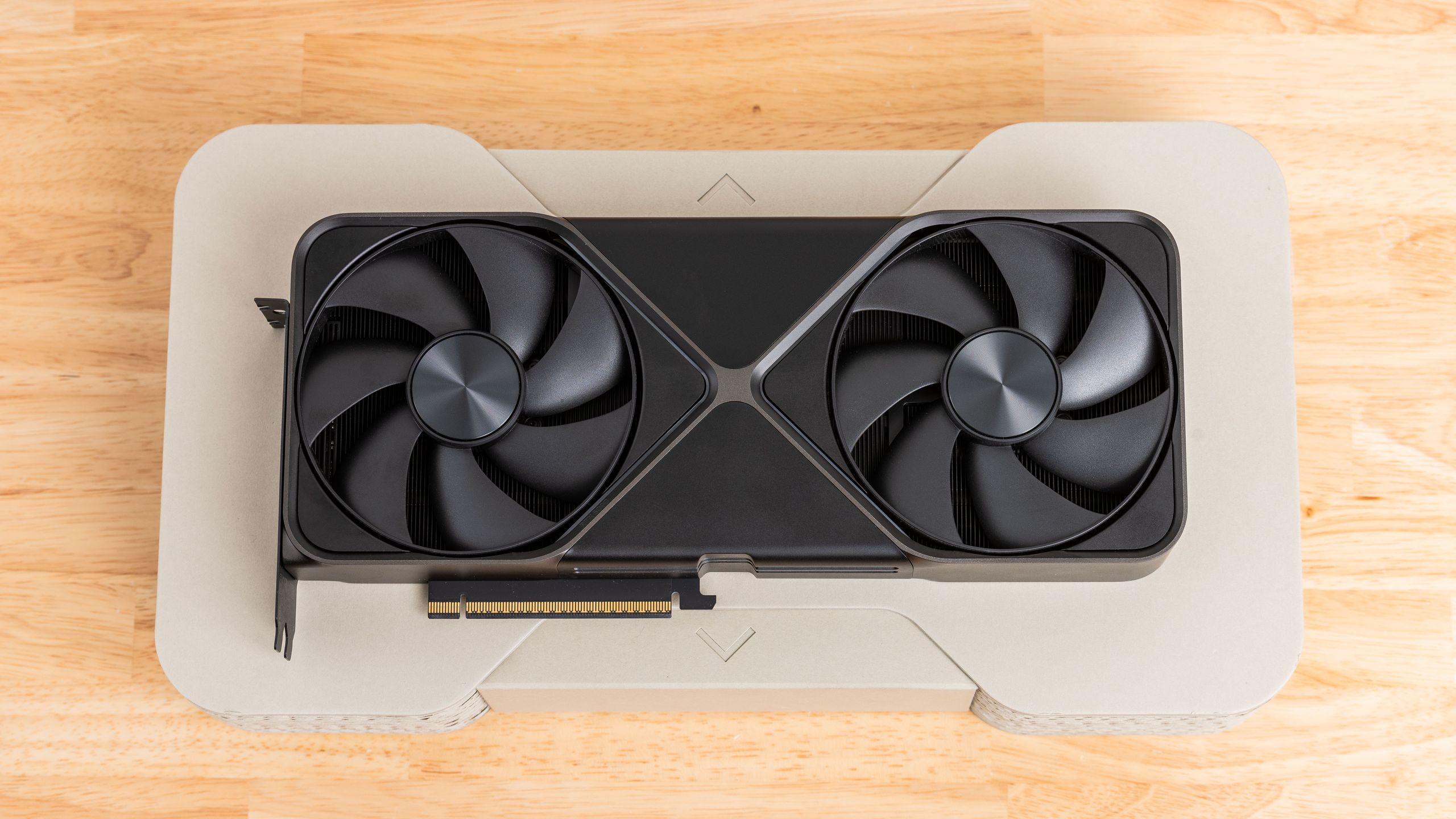
Unannounced RTX 50 Super GPUs Surface in PSU Calculator
The typically tight-lipped world of unreleased hardware has seen a rare glimpse of Nvidia's next-generation GPUs, specifically the rumored RTX 50 Super series. These cards, not yet officially announced by Nvidia, have appeared within Seasonic's Power Supply Unit (PSU) capacity calculator. This suggests that component manufacturers like Seasonic are already privy to detailed specifications, including the Total Graphics Power (TGP) figures, which indicate a notable increase in power consumption compared to their non-Super counterparts.
The appearance in a PSU calculator is significant. These tools are designed to help users determine the appropriate wattage for their PC builds, factoring in the power demands of individual components. The inclusion of specific TGP values for unreleased Nvidia cards implies that Seasonic has received official or near-official data, allowing them to accurately model the power requirements for these upcoming GPUs. The figures suggest that the RTX 50 Super series will demand between 10% and 17% more power than the original RTX 40 series cards they are expected to succeed or supplement.
While TGP figures are not direct indicators of performance, they are closely correlated. A higher TGP often allows for higher clock speeds, more aggressive power limits, and potentially more robust overclocking capabilities, all of which can translate to improved gaming and productivity performance. This data point, gleaned from a third-party component manufacturer's tool, offers one of the first concrete, albeit unofficial, insights into the specifications of Nvidia's anticipated RTX 50 Super lineup.
Interpreting the TGP Increase
The reported TGP increases, ranging from 10% to 17%, are substantial enough to warrant attention. For example, if an RTX 4070 Super has a TGP of 220W, a 10-17% increase would place its potential Super successor in the 242W to 257W range. Similarly, higher-tier cards would see even larger absolute increases. This suggests that Nvidia is pushing the performance envelope, likely by utilizing more powerful silicon, higher clock speeds, or a combination of both, necessitating a more substantial power delivery solution.
This trend aligns with the historical progression of GPU technology. Each generation typically brings performance gains, often accompanied by an increase in power consumption, though manufacturers also strive for greater efficiency (performance per watt). The Super refresh of the RTX 50 series, if these TGP figures are accurate, indicates a focus on maximizing raw performance, potentially at the expense of peak efficiency compared to their initial launch counterparts. This could be a strategic move to counter competitive offerings or to ensure a significant performance uplift over the existing RTX 40 series.
What This Means for System Builders and Enthusiasts
For PC builders and enthusiasts, these figures have direct implications. A higher TGP means that users will need to consider more robust power supplies when planning their next build or upgrade. The Seasonic calculator's role here is crucial; it helps users avoid underestimating their power needs, which can lead to system instability, component damage, or reduced performance due to power throttling. Builders should anticipate needing PSUs with higher wattage ratings than they might have for equivalent-tier RTX 40 series cards.
Beyond PSU wattage, increased TGP also implies greater heat output. This necessitates more capable cooling solutions. Users will likely need cases with better airflow, more powerful case fans, and potentially larger or more efficient CPU coolers to manage the thermal load generated by these higher-power GPUs. The overall system cost could increase due to these requirements, as builders invest in more premium power delivery and thermal management components. It also raises questions about the specific architecture and manufacturing process Nvidia is employing to achieve these performance and power targets.
Broader Market Implications and Future Speculation
The appearance of these cards in a third-party tool before any official announcement is a departure from Nvidia's usual controlled product unveilings. It could signal a more aggressive or perhaps a slightly less tightly controlled launch strategy for the Super refresh. It also underscores the intricate supply chain relationships within the PC hardware industry, where component manufacturers often receive early access to specifications to ensure product readiness.
The specific models that will receive the 'Super' treatment remain speculative, but based on historical patterns, it is likely that mid-range and high-end cards will be targeted. The TGP figures suggest a significant engineering effort is underway to push performance boundaries. What remains unaddressed is the exact performance uplift users can expect over the existing RTX 40 series, and whether the increased power draw will yield a commensurate increase in frame rates or computational throughput. The market will be watching closely to see if these power-hungry GPUs offer a compelling enough performance-per-watt value proposition to justify the increased system requirements and potential cost.