
The Pricing Conundrum in B2B AI

The hardest problem facing B2B AI companies today isn't building the product; it's figuring out how to price it. The traditional per-seat model, once the bedrock of SaaS revenue, is crumbling under the weight of AI's unique consumption patterns. Companies are rapidly moving towards usage, consumption, credits, and outcome-based pricing structures. However, the existing tools for quoting, billing, and revenue recognition were fundamentally designed for a world where fixed, predictable per-user licenses were the norm. This mismatch creates significant operational friction, revenue leakage, and forecasting challenges. Nue, a new player in the revenue operations space, aims to solve this precise problem. The company announced its platform, designed from the ground up to handle the complexities of modern B2B AI pricing. This isn't an incremental update to existing billing systems; it's a foundational shift in how revenue is managed for AI-first businesses.
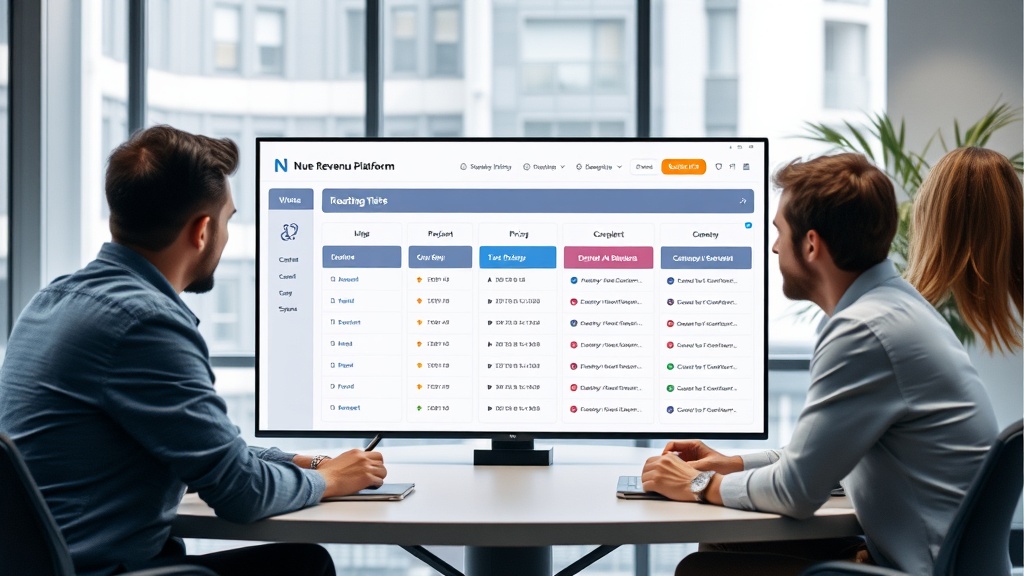
Nue platform dashboard visualizing complex AI usage-based pricing tiers
The core issue is that AI services often have highly variable usage. A single customer might consume vastly different amounts of compute, data processing, or API calls from one month to the next, making predictable revenue forecasting nearly impossible with legacy systems. This variability is compounded by the fact that AI models themselves are constantly evolving, leading to shifts in underlying costs and potential value delivered. Without granular visibility into consumption and the flexibility to adapt pricing models quickly, companies risk undercharging, overcharging, or simply failing to capture the true value they provide. ## Nue's Approach to Usage-Based Billing Nue's platform tackles this by offering a highly flexible and granular approach to revenue management. Instead of relying on rigid subscription tiers, it provides the infrastructure to track, meter, and bill based on actual usage. This means companies can define custom pricing metrics that align directly with the value their AI delivers, whether that's per API call, per gigabyte of data processed, per inference, or even tied to specific business outcomes achieved for the customer. The platform's architecture is built for this dynamic environment. It allows for the creation of complex pricing rules, including tiered pricing, volume discounts, and hybrid models that combine fixed fees with usage charges. For instance, a company offering a large language model API could price based on a base monthly fee plus a per-token charge, with discounts kicking in after certain volume thresholds are met. Nue's system is designed to automatically calculate these complex charges, reducing the manual effort and potential for error that plagues many early-stage AI companies. ## Bridging the Gap: From Quote to Cash Beyond just usage tracking, Nue integrates the entire quote-to-cash lifecycle. This includes: * **Dynamic Quoting:** Generating proposals that accurately reflect variable usage and complex pricing models, ensuring sales teams can close deals faster without being constrained by inflexible tooling. * **Automated Billing:** Translating usage data into accurate invoices, eliminating manual calculations and the associated risk of errors. This is crucial for maintaining customer trust and ensuring timely payments. * **Revenue Recognition:** Adhering to accounting standards (like ASC 606) for usage-based and subscription revenue, which can be particularly challenging with AI services that may have unpredictable delivery cycles. * **Analytics and Forecasting:** Providing deep insights into revenue drivers, customer consumption patterns, and forecast accuracy. This allows leadership to make more informed decisions about product development, sales strategy, and financial planning. This end-to-end capability is what distinguishes Nue. Many companies have pieces of this puzzle – a billing system, a separate analytics tool, or a quoting engine. However, the integration and flexibility required for modern AI pricing demand a unified platform. Nue positions itself as that central nervous system for revenue operations in the AI era. ## The Market Shift and Nue's Position The shift to usage-based pricing isn't unique to AI, but AI accelerates and magnifies the need for sophisticated tooling. Companies like Snowflake, Twilio, and AWS have demonstrated the power of consumption-based models, but their internal tooling is bespoke and incredibly complex. Nue aims to democratize this capability for a broader set of B2B AI startups and scale-ups who lack the resources to build their own custom solutions. Competitors in the broader revenue operations and billing space include established players like Zuora, Chargebee, and Recurly, as well as newer entrants focused on specific niches. However, many of these tools were built with traditional subscription models in mind and may struggle to adapt to the extreme variability and complexity of AI usage. Nue's deliberate focus on the unique challenges of B2B AI pricing gives it a potential edge. It’s akin to a specialized tool designed for a very specific, high-demand job, rather than a general-purpose wrench that might sort of work. The implications for founders are clear: if your pricing model is becoming a bottleneck to growth, or if your current tools are causing revenue leakage and forecasting headaches, it's time to re-evaluate. Nue is betting that the AI gold rush is creating a parallel need for a new generation of revenue infrastructure. The success of this infrastructure will be measured not just by its features, but by how effectively it enables AI companies to translate their technological innovation into predictable, scalable revenue. The question remains: how quickly will legacy systems adapt, or will new entrants like Nue define the revenue operations standard for AI businesses?