
Exploiting Aspirations: The WaterPlum Group's Deceptive Hiring Scheme
A coordinated warning from multiple international government agencies has exposed a sophisticated cybercrime operation orchestrated by North Korean state-sponsored actors, known as the WaterPlum group. These hackers are leveraging the aspirations of job seekers, posting fake job advertisements on professional networking sites and cryptocurrency-related platforms. The ultimate goal: to infiltrate systems, steal sensitive information, and siphon off cryptocurrency. The operation has reportedly compromised approximately 30,000 devices and resulted in the theft of over $10.7 million in digital assets.
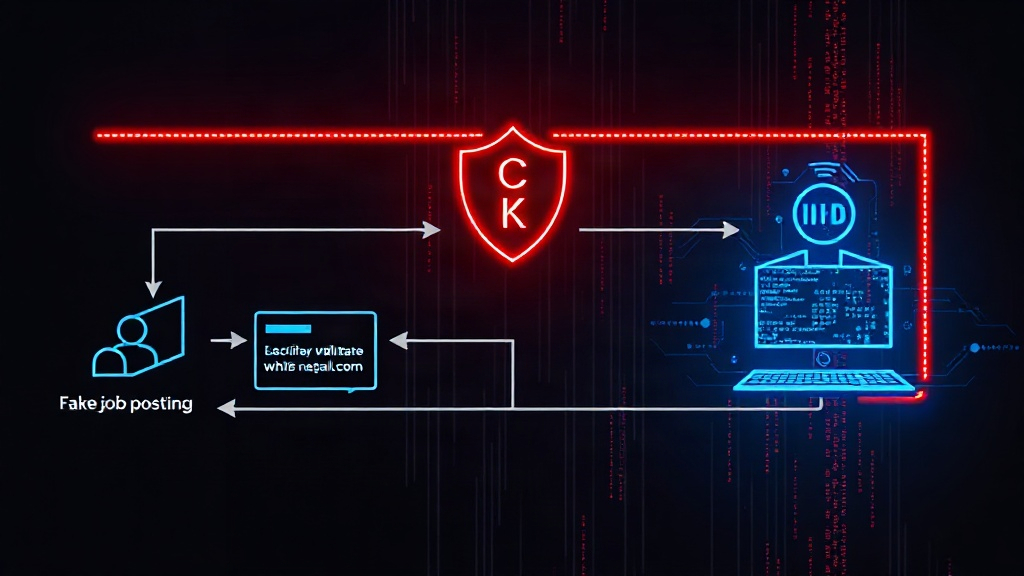
The modus operandi is disturbingly simple yet effective. Attackers pose as recruiters for legitimate companies, often within the tech and blockchain sectors. They initiate contact with potential candidates, express interest in their profiles, and then invite them to participate in a coding test or technical interview. This is where the attack vector is deployed. Instead of a genuine assessment, applicants are tricked into downloading malicious files disguised as coding challenges or interview materials. These files, once executed, install sophisticated malware, including Remote Access Trojans (RATs), onto the victim's machine.
The Technical Arsenal: Malware Deployment and Persistence
The malware deployed by the WaterPlum group is designed for stealth and persistence. Once installed, these RATs grant attackers extensive control over the compromised systems. This control allows them to monitor user activity, steal credentials, access sensitive files, and, crucially, facilitate the theft of cryptocurrency. The attackers are adept at exfiltrating private keys and other authentication tokens that grant access to digital wallets.
The initial infection vector is often a seemingly innocuous document or executable file. These files can be disguised as coding challenges, software development kits (SDKs), or even interview preparation materials. For instance, a candidate might be asked to download a ZIP archive containing a C++ coding test. Upon extraction and execution of the test file, the malware silently installs itself. The attackers may even maintain communication with the victim, posing as the hiring manager, to ensure the malware remains undetected and to subtly extract further information or guide the victim towards cryptocurrency transactions that can be intercepted.
The persistence mechanisms employed by the malware are particularly concerning. These RATs are engineered to survive system reboots and often employ anti-analysis techniques to evade detection by standard antivirus software. This allows the North Korean hackers to maintain a covert presence on compromised networks for extended periods, continuously monitoring for valuable data or opportunities to steal funds. The sheer scale of the operation, affecting an estimated 30,000 devices, suggests a highly organized and resourced campaign, indicative of state-sponsored backing.
The Financial Motivation: Cryptocurrency Heists
The primary financial driver behind the WaterPlum group's activities is the lucrative, albeit volatile, world of cryptocurrency. The group has been linked to the theft of approximately $10.7 million in cryptocurrency. This figure is derived from various sources, including intelligence shared by government agencies. The attackers specifically target individuals and entities involved in the blockchain and cryptocurrency space, likely due to their greater exposure to digital assets and potentially less stringent security practices compared to traditional financial institutions.
Their methods for acquiring cryptocurrency are multifaceted. Beyond direct theft via compromised wallets, they may also engage in phishing attacks targeting cryptocurrency exchanges or individual users. By stealing login credentials or session cookies, they can gain unauthorized access to exchange accounts and transfer funds to their own wallets. The use of RATs provides a direct pipeline to a victim's private keys, which are the ultimate keys to the kingdom in the cryptocurrency world.
The choice of North Korea as the origin of these attacks is consistent with the nation's well-documented strategy of employing cybercrime to generate revenue for its regime, circumventing international sanctions. The funds acquired through these illicit activities are believed to contribute to the financing of North Korea's weapons programs.
A Global Threat: Coordinated Warnings and Mitigation
The widespread nature of this threat necessitated a coordinated response from international cybersecurity agencies. Warnings have been issued by entities such as the U.S. Cybersecurity and Infrastructure Security Agency (CISA), the FBI, and agencies in South Korea, Japan, and other allied nations. This collaboration highlights the global reach and significant impact of the WaterPlum group's activities.
The agencies are urging individuals, particularly those seeking employment in the tech and cryptocurrency sectors, to exercise extreme caution. Key recommendations include:
- Verify the legitimacy of job postings and recruiters through independent channels.
- Never download or execute files from unknown or unverified sources, even if they appear to be part of a job application process.
- Ensure all systems are protected with up-to-date antivirus software and firewalls.
- Be wary of unsolicited job offers, especially those that seem too good to be true or involve immediate technical tests.
- Enable multi-factor authentication on all online accounts, especially those related to cryptocurrency.
- Report suspicious activity or potential phishing attempts to relevant authorities.
The sophistication and persistence of the WaterPlum group's tactics underscore the evolving landscape of cyber threats. As malicious actors become more adept at social engineering and malware deployment, individuals and organizations must remain vigilant and adopt robust security practices to protect themselves from such attacks. The exploit of genuine human desires, like securing employment, makes this particular campaign a stark reminder of the multifaceted nature of modern cyber warfare and financial crime.