
AI Buildout Squeezes NOR Flash and SLC NAND Production
The insatiable demand for artificial intelligence hardware is having a ripple effect across the semiconductor industry, now directly impacting the availability of NOR Flash and Single-Level Cell (SLC) NAND memory. As foundries prioritize production of higher-margin AI-centric chips, capacities for these essential, yet less profitable, memory types are tightening. This strategic shift by manufacturers points towards a potential 'severe undersupply' that could soon affect a wide range of everyday electronics, from automotive systems to consumer devices.
NOR Flash and SLC NAND are not typically the headline-grabbing components in cutting-edge tech. NOR Flash, known for its fast read times and reliability, is crucial for firmware storage in microcontrollers, boot operations in systems, and code execution in embedded applications. Think of it as the reliable ignition system in a car – not glamorous, but absolutely essential for the engine to start and run smoothly. SLC NAND, while offering lower density compared to its multi-level counterparts (MLC, TLC, QLC), provides superior endurance and performance, making it the preferred choice for critical applications demanding high reliability and frequent write cycles, such as industrial control systems and data logging.
The current market dynamics are driven by the unprecedented demand for AI accelerators and the high-bandwidth memory (HBM) required to support them. Foundries like TSMC, the world's largest contract chip manufacturer, are dedicating significant portions of their advanced process nodes to producing these specialized chips. These nodes, particularly those at 7nm and below, are where the most profitable and in-demand AI silicon is manufactured. Consequently, capacity that could have been allocated to NOR Flash and SLC NAND is being redirected.
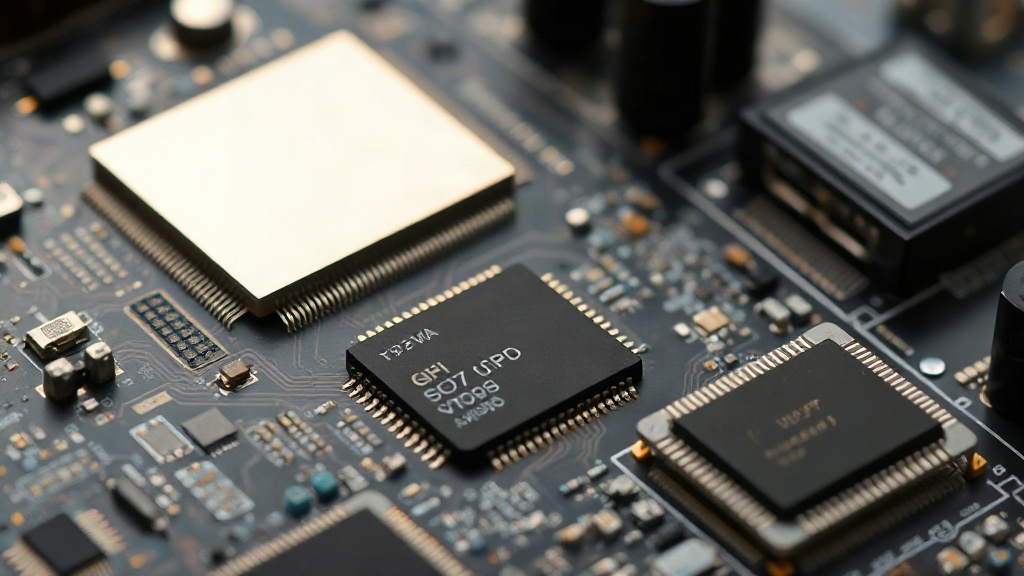
Profitability Drives Production Decisions
The decision to shift production is fundamentally an economic one. AI chips, especially those designed for large language models and advanced machine learning, command significantly higher prices and profit margins than NOR Flash or SLC NAND. For foundries operating at the bleeding edge of semiconductor manufacturing, every wafer slot is a valuable resource. Allocating these resources to products that yield a greater return on investment is a logical business strategy. This is akin to a high-end restaurant deciding to prioritize its truffle dishes over standard pasta offerings when truffle prices skyrocket – the ingredients and expertise are fungible to a degree, and the profit incentive is clear.
This reallocation of capacity means that the production lines that historically churned out NOR Flash and SLC NAND are now either running at reduced capacity for these older technologies or have been retooled entirely for newer, more profitable products. This is not a simple matter of turning a dial; retooling and recalibrating manufacturing processes take time and significant investment. The result is a constricted supply chain for the affected memory types.
Impact on Everyday Electronics
The implications of this production squeeze are far-reaching. Many consumer electronics, automotive components, industrial control systems, and even some networking equipment rely on NOR Flash for boot code and firmware, and SLC NAND for reliable data storage. A shortage of these components could lead to several outcomes:
- Increased Lead Times: Manufacturers of end-products will face longer waiting periods to procure the necessary memory chips, potentially delaying product launches and shipments.
- Price Hikes: As demand outstrips supply, the prices for NOR Flash and SLC NAND are expected to rise significantly. This increase will inevitably be passed on to consumers in the form of higher prices for finished goods.
- Component Substitution Challenges: While manufacturers might explore alternative memory solutions, direct substitution is often difficult. NOR Flash and SLC NAND possess specific performance and reliability characteristics that are hard to replicate without significant redesigns, impacting the bill of materials and qualification processes.
- Reduced Availability of Certain Products: In a severe undersupply scenario, some products that heavily rely on these memory types may become difficult to find or may be discontinued altogether if manufacturers cannot secure sufficient components.
The automotive sector, in particular, is a significant consumer of NOR Flash for its critical control units and infotainment systems. The industry's move towards more sophisticated in-car computing and autonomous driving features, which also require substantial processing power, could exacerbate the problem. If automotive-grade NOR Flash becomes scarce, it could directly impact the production of new vehicles.
The Broader Semiconductor Landscape
This situation highlights a recurring theme in the semiconductor industry: the vulnerability of legacy or lower-margin components to the demands of cutting-edge technologies. The previous semiconductor shortages, driven by the pandemic and a surge in consumer electronics demand, demonstrated how interconnected the supply chain is. Now, the AI boom is creating a different kind of pressure, one that squeezes out less profitable but still vital components.
What remains to be seen is how quickly the industry can adapt. Foundries may eventually invest in expanding capacity for NOR Flash and SLC NAND, or new specialized manufacturers might emerge to fill the gap. However, the economics of building new semiconductor fabrication plants, especially for older process nodes, are often less attractive than investing in the latest advanced technologies. This could mean that the current tightening of supply for NOR Flash and SLC NAND is not a short-term blip but a more persistent challenge that will require strategic planning and significant investment to overcome.