
New Framework Targets FX Market Transparency
Nigeria's central bank (CBN) is implementing a stringent new policy designed to bring unprecedented transparency to the retail foreign exchange (FX) market. The core of this initiative is a digital infrastructure intended to meticulously track the movement of every dollar transacted by individuals. This move signals a significant shift in how the CBN intends to manage and monitor foreign currency flows, moving beyond previous measures that focused primarily on re-opening official FX access.
The previous policy, while successful in increasing the availability of official FX channels, did not address the granular level of monitoring now being pursued. The latest framework is not about access, but about accountability. It aims to create a comprehensive digital ledger of all retail dollar transactions, providing regulators with real-time insights into where foreign currency is being bought, sold, and ultimately utilized within the Nigerian economy. This granular oversight is expected to be a powerful tool in the CBN's ongoing efforts to stabilize the Naira and combat speculative attacks on the currency.
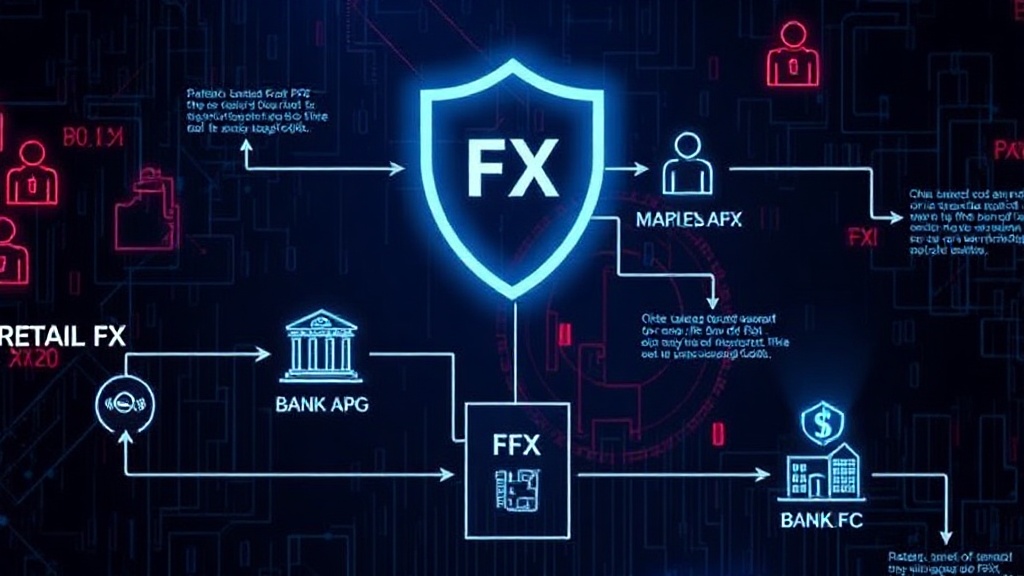
Sources indicate that the new system will require financial institutions, including banks and bureaux de change (BDCs), to integrate with a central digital platform. This platform will serve as the single source of truth for all retail FX transactions. The implications for financial institutions are substantial, necessitating investment in new technology and potentially altering existing operational workflows. The objective is clear: to eliminate opacity and provide a robust mechanism for identifying and addressing malpractices within the FX market.
Rationale Behind the Digital Tracker
The CBN's push for digital tracking stems from a persistent desire to stabilize the Nigerian Naira and curb the activities of parallel market operators who often engage in speculative trading and capital flight. For years, the country has grappled with a widening gap between the official and parallel market exchange rates, fueled by demand pressures and perceived manipulation. The lack of visibility into the flow of retail dollars has been a significant impediment to effective policy implementation.
By mandating digital tracking, the CBN intends to achieve several key objectives. Firstly, it aims to enhance the accuracy of foreign exchange data, enabling more informed policy decisions. Currently, data on retail FX transactions can be fragmented and unreliable, making it difficult for the bank to fully grasp the dynamics of supply and demand. Secondly, the system is designed to deter illicit financial activities, such as money laundering and the funding of terrorism, by creating an auditable trail for all dollar movements. The digital infrastructure acts as a digital watchdog, making it harder for individuals and entities to move foreign currency outside the regulated system without detection.
A third, crucial objective is to bridge the gap between the official and parallel market rates. The CBN believes that by understanding precisely how and where retail dollars are being traded, it can better manage supply and demand, thereby exerting downward pressure on the parallel market rate and bringing it closer to the official rate. This also aims to discourage arbitrage activities that profit from the rate differentials.
The surprise here is not the CBN's desire to control the FX market, which is a long-standing objective, but the specific method chosen: a comprehensive digital tracking of every single retail dollar. Previous interventions often focused on supply-side measures or broad capital controls. This new approach is far more granular, akin to installing a sophisticated metering system on every drop of water flowing through a complex irrigation network, rather than just adjusting the main valve.
Implementation Challenges and Potential Impact
The successful implementation of this ambitious policy hinges on several critical factors. The technological infrastructure must be robust, secure, and scalable to handle the sheer volume of transactions. Ensuring data privacy and security will be paramount, as the system will collect sensitive information on individuals' foreign currency dealings. There is also the challenge of widespread adoption and compliance, particularly among smaller BDCs and individuals who may operate with less sophisticated digital tools.
Financial institutions will bear a significant burden in adapting their systems to comply with the new reporting requirements. This may involve substantial investments in software upgrades, staff training, and new compliance protocols. The CBN will need to provide clear guidelines and potentially offer support to ensure a smooth transition. The timeline for full implementation, and the specific technical standards required, remain to be fully detailed, creating a degree of uncertainty for market participants.
The potential impact, however, is far-reaching. If implemented effectively, the digital tracking system could lead to a more stable and predictable FX market. It could significantly reduce currency speculation and enhance the effectiveness of monetary policy. For businesses and individuals, it might mean a more transparent and potentially fairer exchange rate environment, although it could also introduce new layers of regulatory scrutiny on their foreign currency activities. The ultimate success will depend on the CBN's ability to execute this complex technological and regulatory overhaul with precision and to maintain market confidence throughout the process.
What remains unaddressed is the potential for circumvention. Even with sophisticated tracking, determined actors may seek alternative channels or methods to move currency, potentially pushing activities further underground or to less regulated international platforms. The effectiveness of the digital tracker will, therefore, be a continuous cat-and-mouse game between regulators and those seeking to operate outside the system.
Conclusion: A New Era of FX Oversight
Nigeria's central bank is signaling a new, digitally-driven era of foreign exchange oversight. The mandate to trace every retail dollar is a bold step aimed at tackling deep-seated issues of currency volatility and market opacity. While the technical and operational hurdles are significant, the potential rewards—a more stable Naira, a cleaner FX market, and enhanced economic data—are substantial. The coming months will reveal the specifics of the implementation and the market's reaction to this unprecedented level of digital surveillance on retail dollar transactions.