
A New Era for Nigeria's Space Program
Nigeria is poised to advance its presence in the global space arena with the procurement of new satellite ground systems, a move that signifies a strategic shift beyond mere satellite operation. The Nigerian Communications Satellite Limited (NigComSat) has selected Hughes Network Systems to provide the next generation of its satellite infrastructure. This partnership is not just about acquiring advanced technology; it's a deliberate step towards fostering indigenous capabilities in satellite equipment manufacturing. The initiative aims to transition Nigeria from a consumer of space technology to a producer, enabling the local creation of essential components needed to translate satellite capabilities into tangible connectivity services for its citizens and the broader African continent.
This ambitious undertaking, spearheaded by NigComSat, seeks to cultivate a domestic ecosystem for building satellite ground segment equipment. Historically, many nations that operate satellites rely on foreign manufacturers for the sophisticated hardware required for ground stations, network operations centers, and user terminals. Nigeria's strategy, however, is to leverage this satellite expansion as a catalyst for developing local technical expertise and manufacturing capacity. The objective is to reduce reliance on external suppliers, create high-skilled jobs, and potentially open new export markets for Nigerian-made satellite technology components.
Strategic Partnership with Hughes
The collaboration with Hughes Network Systems, a recognized leader in satellite technology, is crucial for this transition. Hughes will supply the necessary satellite ground systems, which form the backbone of any satellite communication network. These systems are responsible for managing satellite operations, processing data, and enabling seamless communication between the satellite in orbit and the ground. By working with an established industry player, NigComSat can ensure the reliability and advanced functionality of its new infrastructure while simultaneously embedding knowledge transfer and local manufacturing objectives into the contract.
The specifics of the local manufacturing plan are still emerging, but the intent is clear: to move beyond assembly and towards genuine production of components. This could encompass a range of equipment, from antennas and modems to network management software and even parts of the satellite's terrestrial interface. The goal is to build a self-sustaining value chain within Nigeria, starting with the ground segment, which offers a more accessible entry point for manufacturing compared to the complexities of building entire satellites.
Beyond Connectivity: Economic and Skill Development
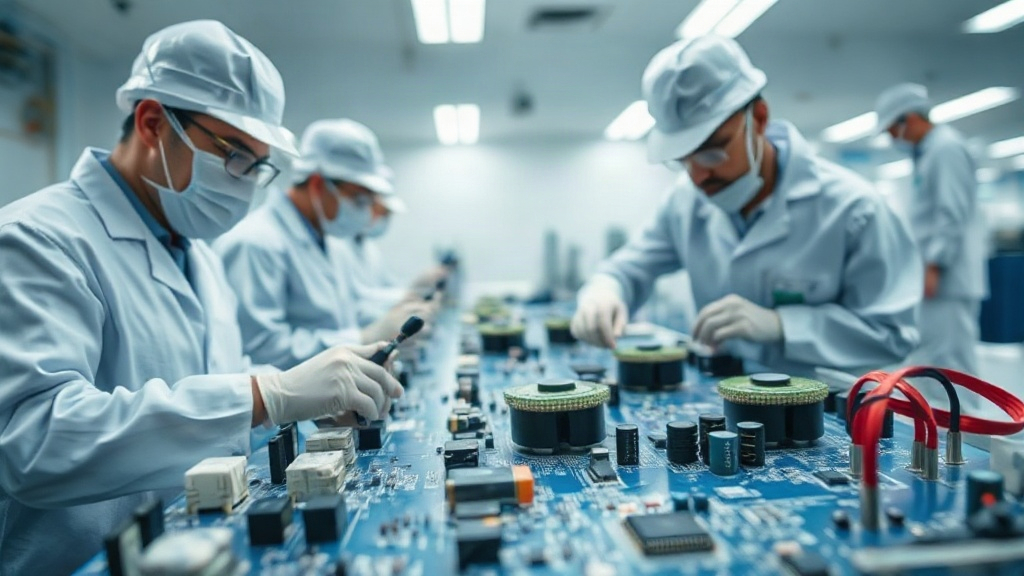
The implications of this initiative extend far beyond providing enhanced satellite-based connectivity. It represents a significant investment in Nigeria's technological future and human capital. The development of a local satellite equipment manufacturing capability requires a highly skilled workforce, encompassing electrical engineering, software development, systems integration, and advanced manufacturing techniques. This will necessitate targeted training programs, collaborations with Nigerian universities and technical colleges, and the establishment of dedicated research and development facilities.
For founders and entrepreneurs in Nigeria's burgeoning tech sector, this presents a unique opportunity. A government-backed initiative to build a domestic space technology supply chain could spur the growth of specialized startups. These companies could focus on niche areas of component manufacturing, software development for satellite operations, or providing specialized maintenance and support services. The potential for innovation is substantial, as homegrown solutions may be better tailored to local needs and conditions than off-the-shelf foreign products.
The economic impact could be substantial. By retaining more of the value chain within Nigeria, the country can capture a larger share of the economic benefits derived from its space program. This includes job creation, foreign exchange savings from reduced import dependency, and the potential for export revenue as Nigeria develops its manufacturing prowess. It positions Nigeria as a potential hub for space technology development within Africa, attracting further investment and talent to the region.
Challenges and the Road Ahead
While the vision is compelling, the path to establishing a robust local satellite equipment manufacturing sector is fraught with challenges. Advanced manufacturing requires significant capital investment, access to specialized materials and tools, and stringent quality control processes. Nigeria will need to foster a supportive regulatory environment, provide incentives for private sector investment, and ensure a consistent pipeline of skilled personnel. Furthermore, competing with established global players who have decades of experience and economies of scale will require a long-term, strategic commitment.
The selection of Hughes is a critical first step, providing the foundational technology and expertise. However, the success of the local manufacturing plan will hinge on NigComSat's ability to effectively integrate this objective into its operational framework and to cultivate partnerships that go beyond mere technology transfer. It will require a sustained effort to build a knowledge base, nurture a culture of innovation, and create market demand for locally produced components. If successful, this initiative could serve as a model for other African nations looking to deepen their engagement with space technology and drive industrial development.