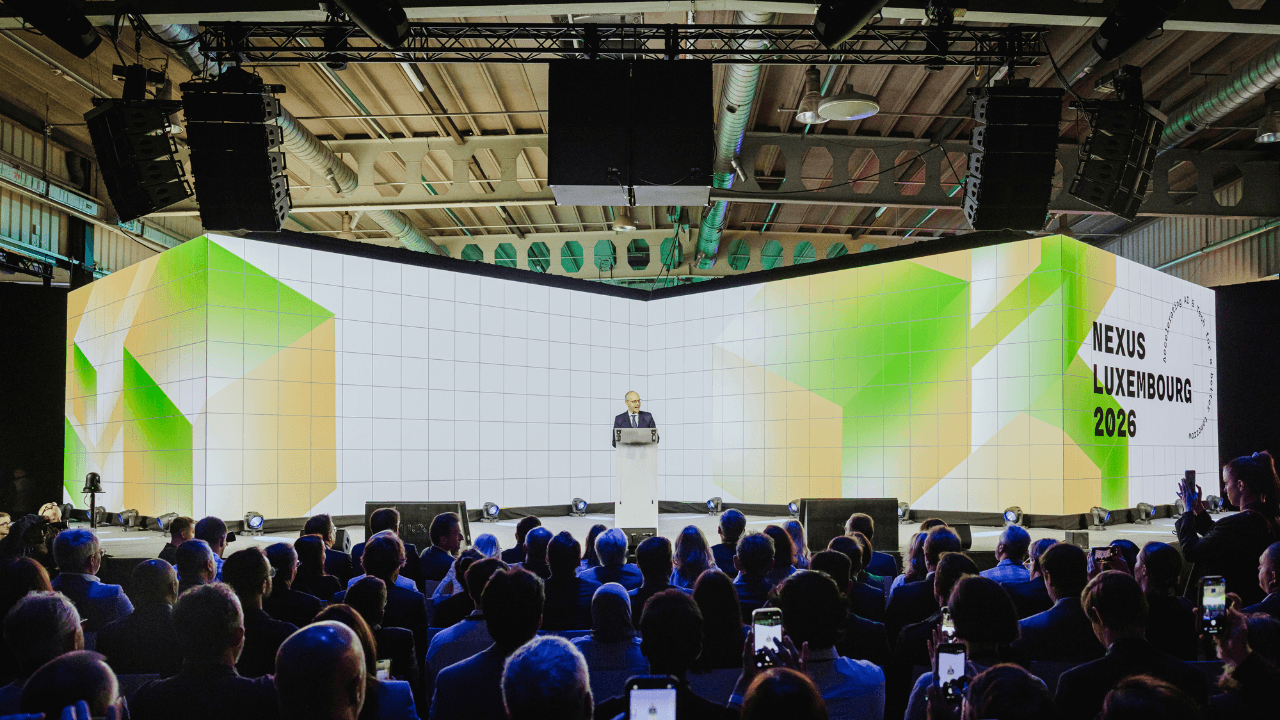
The Nexus Luxembourg 2026 Summit: More Than Just a Conference
This year's Nexus Luxembourg 2026 summit, held against the backdrop of a dynamic European tech scene, offered more than just networking opportunities. It served as a crucial barometer for the continent's ambitions, revealing a palpable shift in investment priorities and a growing emphasis on strategic technological independence. While often overshadowed by larger tech hubs, Luxembourg is demonstrating that size is no barrier to significant influence in shaping Europe's technological future. The event highlighted a maturing ecosystem, moving beyond nascent startup hype to focus on tangible growth, sustainable funding, and cultivating deep-tech capabilities.
Shifting Investment Currents: Beyond the Hype
The sheer volume of capital flowing into European tech remains impressive. This past week alone, Tech.eu tracked over 75 funding deals totaling more than €2.1 billion, alongside more than 5 exits and M&A transactions. However, the nature of these investments is evolving. Nexus 2026 underscored a move away from purely growth-at-all-costs mentalities towards more strategic funding rounds. Investors are increasingly scrutinizing business models, seeking deeper technological moats, and prioritizing companies that align with broader European economic and geopolitical goals. This is particularly evident in sectors like deep tech, AI, and critical infrastructure, where nations are looking to build and secure domestic capabilities.
A standout announcement from the week, though not directly tied to the summit's core discussions, was Stark securing €500 million in funding. While the specifics of Stark's operations and the investors involved paint a picture of significant confidence in a particular segment of the tech market, it serves as a powerful indicator of the kind of capital still available for well-positioned companies. This deal, alongside others, suggests that while the market may be becoming more discerning, substantial capital is still accessible for ventures with clear strategic value and strong growth potential. The Tech.eu Funding Explorer, launched in conjunction with these events, aims to provide greater transparency into this complex funding landscape, empowering founders and investors alike with data-driven insights.
Luxembourg's Strategic Play: Sovereignty and Specialization
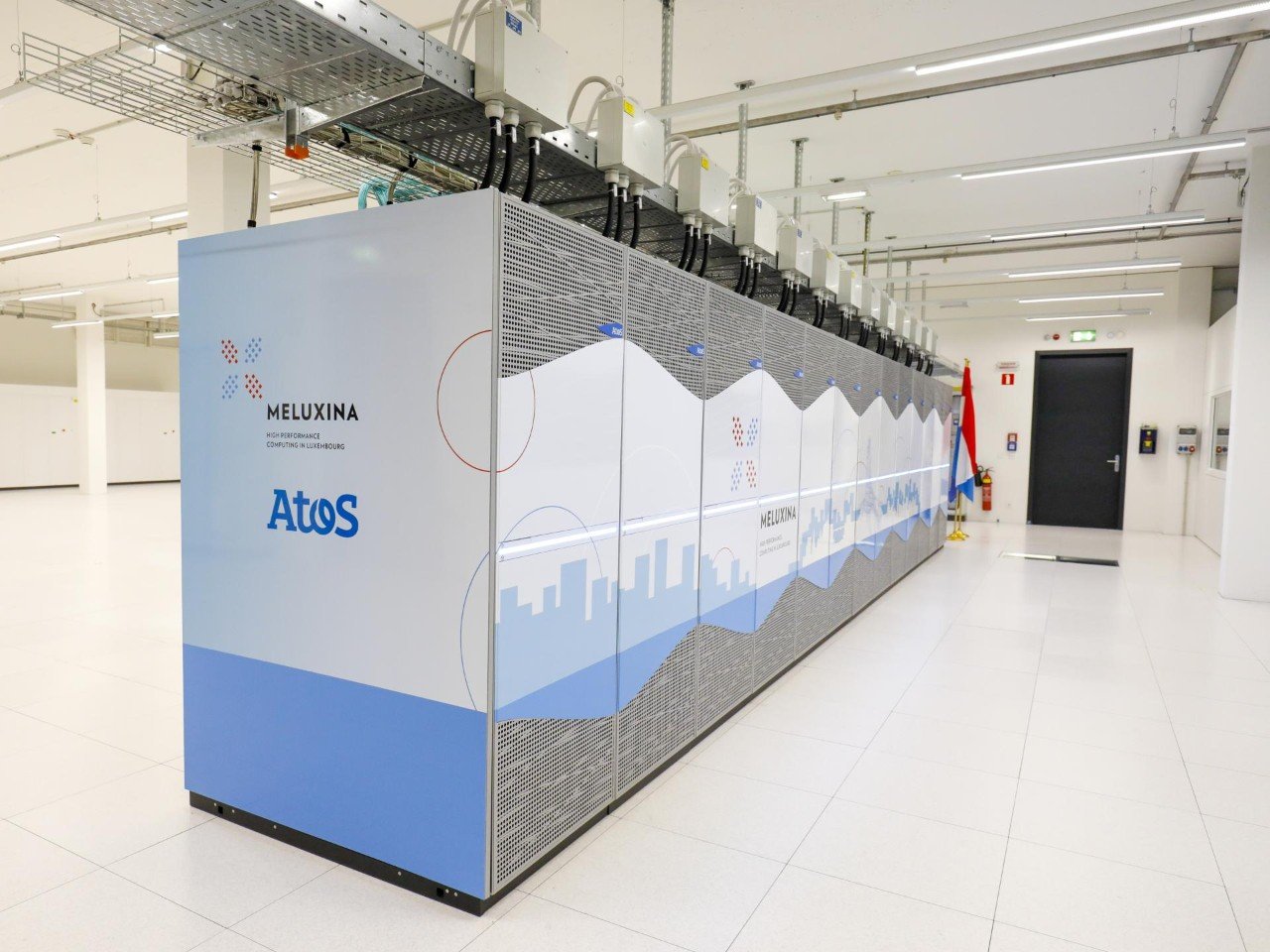
Luxembourg's ambition is clear: to leverage its unique position and strengths to become a key player in Europe's digital sovereignty narrative. The country is not attempting to replicate the sprawling ecosystems of Berlin or Paris. Instead, it's focusing on specialization, particularly in areas like cloud infrastructure, data security, and financial technology (FinTech). The summit showcased initiatives aimed at fostering collaboration between established industries and emerging tech players, recognizing that a strong digital economy is built on cross-sectoral innovation.
This focus on sovereignty is a response to broader geopolitical shifts. The desire to reduce reliance on non-European tech giants and to ensure control over critical digital infrastructure is a recurring theme. Luxembourg's strategy involves attracting specialized talent, creating regulatory frameworks that encourage innovation while ensuring security, and actively participating in pan-European research and development projects. The country is positioning itself as a trusted hub for sensitive data and critical digital services, a valuable niche in an increasingly complex global landscape.
The Future of European Tech: Collaboration and Competition
Nexus Luxembourg 2026 also highlighted the ongoing tension between collaboration and competition within the European tech scene. While there's a strong push for pan-European initiatives to create scale and compete globally, individual nations and cities are fiercely vying for talent, investment, and leadership in specific technological domains. Luxembourg's approach exemplifies this: a commitment to European cooperation while carving out its own distinct identity and expertise.
The summit provided a platform for discussing how to bridge the gap between research and commercialization, a perennial challenge for European innovation. Discussions often circled back to the need for more agile regulatory environments, greater access to late-stage funding, and fostering a culture that embraces technological risk. The success of initiatives like Stark's €500 million raise, if replicated across diverse sectors, could signal a turning point, demonstrating that European companies can indeed achieve significant scale and attract major investment without solely relying on foreign capital. The question remains whether this momentum can be sustained and translated into a truly sovereign and competitive European tech industry capable of standing on its own in the global arena.
Looking Ahead: What Nexus Luxembourg 2026 Signals
The key takeaway from Nexus Luxembourg 2026 is the continent's pragmatic, strategic evolution. It's less about chasing unicorns and more about building resilient, secure, and specialized technological capabilities. Luxembourg, with its focused ambitions, is a microcosm of this larger trend. The event underscored that Europe's tech future will likely be defined not by a single dominant hub, but by a network of specialized ecosystems, each contributing to a collective drive for digital sovereignty and innovation. The €500 million raise by Stark and the launch of the Tech.eu Funding Explorer are symptomatic of this maturing market – data-rich, strategically focused, and increasingly self-assured.