Introduction to RISC-V SoC Design
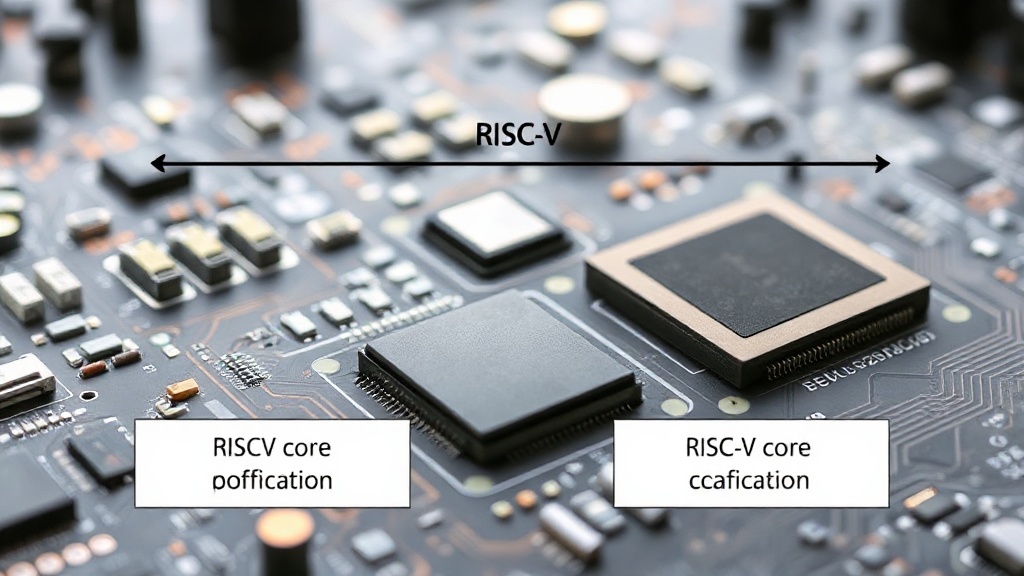
The landscape of processor architecture is rapidly evolving, with RISC-V emerging as a dominant force due to its open-standard, modular, and extensible nature. For engineers and students looking to dive deep into the practicalities of designing systems around this flexible instruction set architecture (ISA), a new comprehensive book, "RISC-V Microprocessor System-on-Chip Design," has been published. This text aims to bridge the gap between theoretical understanding of RISC-V and the hands-on realities of building functional System-on-Chip (SoC) designs. It moves beyond just the ISA to cover the entire design flow, from initial architectural choices to final verification and implementation. The book is structured to guide readers through the complex process of SoC development. It begins with a foundational overview of the RISC-V ISA, explaining its core principles and the advantages it offers over proprietary architectures. This includes a discussion of the different extensions available and how to select the appropriate ones for specific applications. The authors emphasize that RISC-V is not a single ISA but a family, and understanding these nuances is critical for effective design.Architectural Design and Core Selection
A significant portion of the book is dedicated to the architectural design phase. This involves making critical decisions about the processor core, memory subsystems, and peripheral interfaces. Readers will learn about various RISC-V core implementations, ranging from simple, low-power cores to high-performance out-of-order execution designs. The text provides guidance on how to choose a core that best fits the target application's performance, power, and area constraints. It also delves into the design of the memory hierarchy, including cache design and coherent memory systems, which are crucial for overall SoC performance.