The Challenge: Licensing a Premium Theme
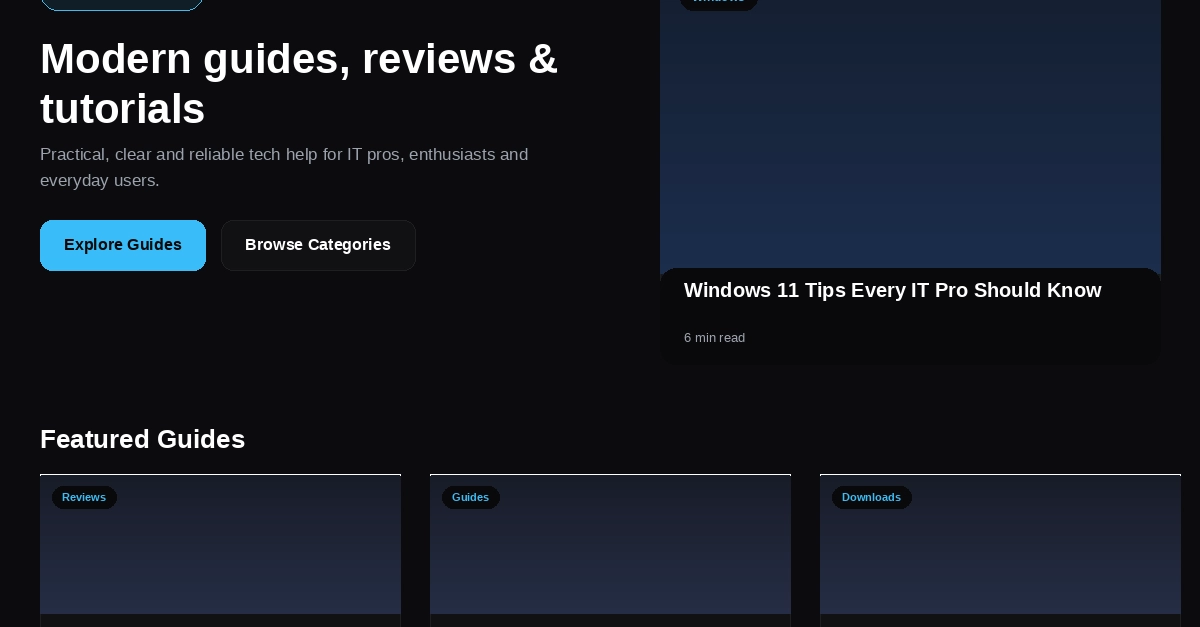
Shipping a premium WordPress theme often means more than just adding new features. For developers, it means implementing a robust licensing system to manage sales, enforce usage, and deliver updates. This is precisely the challenge faced by the developer behind NeoDark Pro, the premium version of the free NeoDark WordPress theme. NeoDark Pro builds upon the free version with features like a homepage hero slider, dedicated review content blocks (Quick Facts, Pros & Cons, Comparison Tables, Verdict Boxes), a mega menu, full-width landing page templates, and a built-in download counter. Initially, NeoDark Pro was sold as a simple WooCommerce downloadable product. This approach, while straightforward for initial sales, lacked crucial functionalities: no license enforcement, no automated update delivery, and the potential for the premium theme zip file to be shared indefinitely without any checks on actual purchasers.
The core issue wasn't just about preventing piracy; it was about establishing a sustainable business model. Without license keys, there's no direct link between a sale and a user's ability to receive support or updates. This can quickly erode the value proposition of a premium product and disincentivize further development.
The Traditional Approach and Its Pitfalls
Typically, adding licensing to a WordPress theme involves direct integration into the theme's PHP files. This means modifying the theme's core code to communicate with a licensing server, check keys, and trigger updates. For the NeoDark Pro developer, this presented a significant hurdle. The original NeoDark theme, a free, lightweight, dark-mode-first theme built for tech guides and reviews, was intentionally kept lean and free of bloat. Its features include a dark-mode-first design, customizer-driven homepage setup, automatic table of contents, related posts, breadcrumbs, a social links menu, and mobile-friendly navigation.
Bolting a complex licensing system directly onto this free theme, or even onto the premium version's WooCommerce product, would have meant touching the original codebase. This has several downsides:
- Maintenance Overhead: Any future updates to the free NeoDark theme would require careful merging with the licensing code, increasing the risk of errors and conflicts.
- Code Bloat: Adding licensing logic directly can make the theme heavier and potentially slower, contradicting the lightweight philosophy of the original NeoDark.
- Separation of Concerns: It blurs the line between the theme's design and functionality and its commercial distribution mechanism.
- Complexity for Updates: Future theme updates would need to be managed through the licensing system, adding another layer of complexity to the release process.
The developer needed a way to provide license key validation and update delivery for NeoDark Pro without compromising the integrity or simplicity of the original NeoDark theme's codebase.
The Novel Solution: Leveraging Freemius and WooCommerce Hooks
The breakthrough came from an unconventional approach: integrating the licensing system *after* the theme has been installed and activated, and crucially, without altering the theme's core PHP files. The strategy involved using Freemius, a popular platform for selling and managing WordPress plugins and themes, in conjunction with WooCommerce's product download system and WordPress hooks.
Here's how it works conceptually:
- WooCommerce Product Setup: NeoDark Pro is still sold as a downloadable product through WooCommerce. However, instead of just providing a raw zip file, the download links are managed in a way that can be intercepted or augmented.
- Freemius SDK Integration: The key is that the developer uses the Freemius SDK. Instead of embedding this SDK directly into the theme's PHP files, the developer implements a method to load and initialize the Freemius SDK *after* the theme is active. This is often achieved by creating a small, separate PHP file or using a plugin that acts as a loader.
- Activation Hooks: WordPress provides activation hooks that run when a theme or plugin is activated. By hooking into these, the developer can trigger the initialization of the Freemius SDK and the associated licensing checks.
- License Validation and Updates: Once initialized, the Freemius SDK handles all the heavy lifting: validating license keys purchased through the Freemius platform, checking for available updates, and delivering those updates directly to the user's WordPress dashboard, much like official WordPress plugins.
This method effectively decouples the licensing mechanism from the theme's fundamental code. The original NeoDark theme remains untouched. NeoDark Pro, when activated, triggers the loading of the licensing logic from a separate source (potentially managed by Freemius itself or a small companion plugin/file). This ensures that the core theme files are clean, making updates to the free version straightforward and reducing the risk of compatibility issues.
Why This Approach Matters
This technique offers several significant advantages:
- Codebase Integrity: The original NeoDark theme's codebase remains pristine. This is a huge win for maintainability and for users who might be migrating from the free to the premium version.
- Simplified Updates: Updates to the free NeoDark theme can be handled independently without worrying about breaking the licensing system for Pro users.
- Leveraging Existing Infrastructure: It allows the developer to tap into Freemius's robust licensing, payment processing, and update delivery infrastructure without building it from scratch or deeply integrating it into their theme.
- Clean Separation: It maintains a clear separation between the theme's design/functionality and its commercial aspects.
What remains to be seen is how this method scales for themes with extremely complex feature sets or those that require deep integration with specific WordPress APIs for their premium features. However, for adding standard licensing and update delivery, this approach represents a clever workaround that prioritizes code cleanliness and maintainability. It's a testament to the flexibility of the WordPress ecosystem and the power of leveraging hooks and external services effectively.