
Streamlining Power on the Final Frontier
The International Space Station (ISS) is a marvel of engineering and human ingenuity, but even the most advanced orbital laboratory faces practical challenges. One such persistent issue, familiar to anyone who has ever juggled multiple devices, is power management. Different electronics often require different chargers, leading to a proliferation of cables, adapters, and potential points of failure. NASA has tackled this problem head-on for its critical onboard computing hardware by implementing a standardized power solution for all laptops deployed on the ISS.
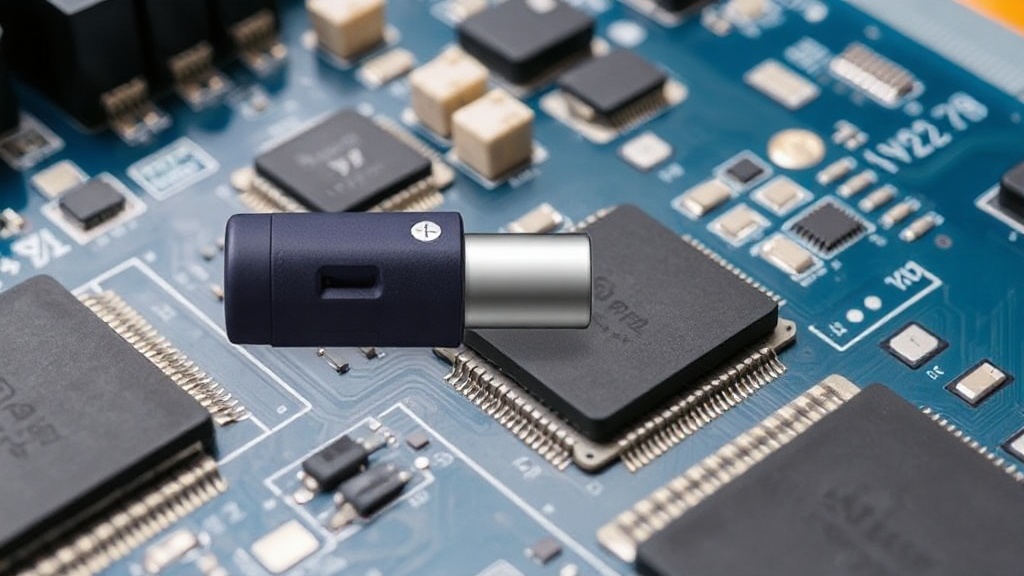
The agency undertook a significant modification: ensuring that every laptop destined for the space station is equipped with the same 'cannon' power connector. This move, seemingly mundane to terrestrial users, carries substantial implications for operations in microgravity. The standardization eliminates the need for multiple specialized chargers, a move that directly combats the accumulation of useless weight – a critical consideration for any space mission where every gram counts. Furthermore, reducing the variety of power components inherently minimizes the number of potential failure points, enhancing the reliability of essential computing systems far above Earth.
The Practicalities of Power in Space
In the confined and demanding environment of the ISS, every piece of equipment must justify its existence. Power connectors are no exception. Historically, different laptops and electronic devices brought aboard the station may have required unique power adapters. Imagine a scenario where an astronaut needs to charge a laptop for critical data analysis, but the only available charger is for a different model, or worse, is itself malfunctioning. This is not just an inconvenience; it can impede scientific research, communication, and essential operational tasks. The sheer volume of unique chargers and their associated cables would also add unnecessary mass to resupply missions, which are incredibly costly and resource-intensive.
By mandating a single type of power connector – the robust 'cannon' plug – NASA has effectively created a universal charging solution for its laptop fleet. This means any astronaut can pick up any station-issued laptop and use any available 'cannon' charger to power it. This simplifies logistics significantly. Instead of managing a diverse inventory of power bricks and regional plug variations (even though they are in space, the equipment itself might have terrestrial origins), the ISS crew now deals with a single, standardized component. This not only frees up valuable storage space but also streamlines maintenance and replacement procedures. If one charger fails, any other compatible charger can immediately take its place, ensuring continuous operation of vital systems.
Reducing Failure Points and Enhancing Reliability
The operational reliability of systems on the ISS is paramount. A single point of failure can have cascading consequences. While a laptop charger might seem like a minor component, its failure could disrupt an astronaut's ability to access crucial mission data, communicate with ground control, or operate scientific experiments. The standardization of the 'cannon' connector directly addresses this by reducing the overall complexity of the power delivery system. Fewer unique parts mean fewer potential manufacturing defects, fewer wear-and-tear issues specific to certain connector types, and a simplified troubleshooting process.
This initiative reflects a broader engineering principle: simplification enhances robustness. In a system where repair options are limited and external support is months away, designing for inherent reliability through standardization is a smart, proactive approach. The 'cannon' connector itself is known for its durability and secure connection, making it a suitable choice for the vibrations and dynamic environment of space. While the specific models of laptops that underwent this modification are not detailed, the commitment to a universal power interface signals a mature approach to onboard computing infrastructure. It’s less about the specific laptop and more about the operational ecosystem supporting it.
Broader Implications for Space Systems
This standardization effort on the ISS is more than just a logistical tweak; it’s a microcosm of how pragmatic engineering decisions can yield significant operational benefits in extreme environments. It highlights a principle that applies not just to spaceflight but to any complex, long-duration system where maintenance, weight, and reliability are critical factors. Think of it less like a software update and more like standardizing on a single, highly reliable bolt size across an entire aircraft – it might not be glamorous, but it profoundly impacts efficiency and safety.
What remains to be seen is how this standardization extends to other electronic components or future hardware brought to the ISS. As NASA and its international partners continue to upgrade and expand the station's capabilities, maintaining a cohesive and simplified power infrastructure will be key. This move sets a precedent for future procurement and modification of electronics, prioritizing commonality and ease of use. It’s a quiet but vital step in ensuring the ISS remains a functional and productive platform for scientific discovery and technological advancement for years to come.