
CXMT Achieves Record DDR5 Speeds
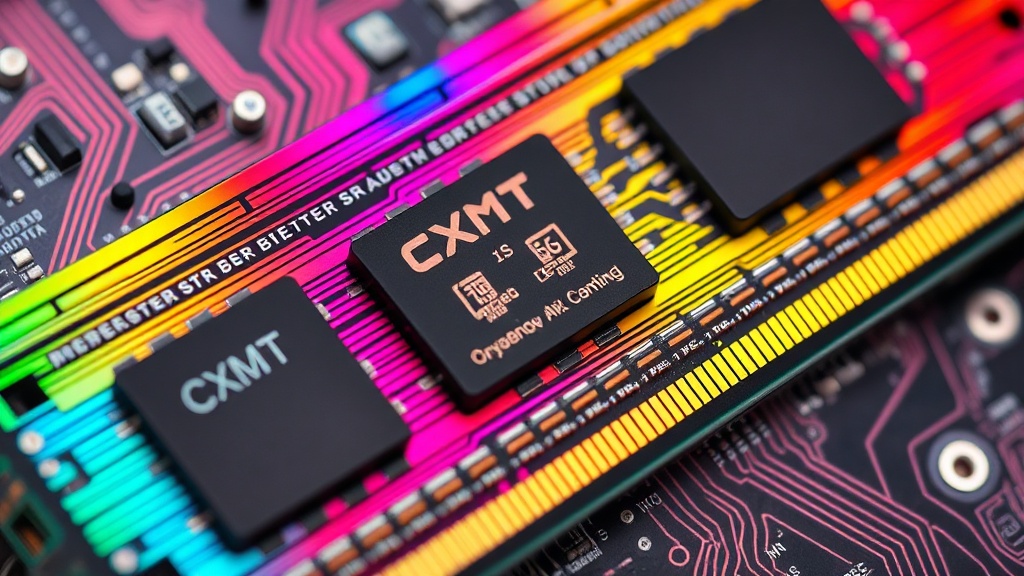
Chinese memory manufacturer CXMT has achieved a significant milestone, pushing its DDR5 memory chips to an astonishing 8800 MT/s on an AMD platform. This overclocked performance, showcased by Colorful with its new memory kits, demonstrates the rapidly closing gap between CXMT and established industry leaders like SK Hynix and Samsung. The achievement is not just a technical feat but a clear signal of intent in the increasingly competitive global DRAM market, particularly for high-speed memory required by enthusiasts and professionals alike.
The overclocking demonstration utilized an AMD Ryzen platform, specifically a setup that allowed for extreme memory tuning. While the exact motherboard and CPU used were not detailed, the critical component was the CXMT ICs (Integrated Circuits). These chips, when paired with robust cooling and careful tuning, have proven capable of reaching frequencies previously dominated by top-tier offerings from South Korean giants. This surge in performance from a Chinese manufacturer suggests a significant ramp-up in their technological capabilities and manufacturing prowess. For years, the memory market has been largely consolidated, with SK Hynix, Samsung, and Micron holding the lion's share of market share and technological development. CXMT's advancement directly challenges this established order, particularly in the high-performance segment where speed and density are paramount.
Implications for the High-Performance RAM Market
The implications of CXMT's 8800 MT/s achievement are multifaceted. For consumers and PC builders, this means increased choice and potentially more competitive pricing in the high-end DDR5 market. As CXMT's chips prove their mettle, other memory module manufacturers will likely integrate them, driving innovation and pushing the boundaries of what's possible with DDR5. This competition could lead to faster, more stable memory kits becoming more accessible, benefiting gamers, content creators, and anyone who pushes their systems to the limit. The ability to hit such high frequencies on an AMD platform is particularly noteworthy. AMD has been aggressively pursuing high memory speeds to complement its Ryzen processors, and this development suggests a strong synergy between CXMT's silicon and AMD's memory controllers. This could put pressure on Intel's platforms as well, as manufacturers aim to leverage these high-performance chips across the board.
From a geopolitical and supply chain perspective, this development is also significant. China has been investing heavily in its domestic semiconductor industry, aiming for greater self-sufficiency. CXMT's success in producing high-performance memory chips that can compete at the bleeding edge marks a crucial step in that direction. It reduces reliance on foreign suppliers and bolsters China's position as a major player in the global technology landscape. The gap between CXMT and SK Hynix, once considered vast, appears to be narrowing considerably. While SK Hynix remains a leader in innovation and market share, CXMT's aggressive push into higher frequencies indicates that the days of undisputed dominance might be numbered. This could spur further investment and R&D from all players, accelerating the pace of memory technology advancement.
Technical Considerations and Future Outlook
Achieving 8800 MT/s is not merely a matter of the memory chips themselves. It requires a highly optimized motherboard, a capable CPU memory controller, and sophisticated tuning. The fact that this was demonstrated on an AMD platform suggests that AMD's latest Ryzen processors and associated chipsets are well-equipped to handle such high memory frequencies. Overclocking communities and enthusiasts will be eager to test these CXMT-equipped modules to their limits, uncovering their true potential and stability under various conditions. The ability to sustain these speeds reliably for everyday use or demanding workloads will be the next critical hurdle.
The specific architecture and manufacturing process of CXMT's DDR5 chips likely play a role in their overclocking headroom. While details are scarce, it's probable that CXMT has focused on critical aspects such as signal integrity, power delivery, and thermal management within the chip design itself. As DDR5 technology matures, we are seeing a trend towards higher frequencies becoming more mainstream, moving beyond the realm of extreme overclocking. CXMT's achievement places them firmly in this mainstream high-performance category. The question remains whether CXMT can scale this performance to mass production and maintain competitive yields and quality. If they can, the landscape of the global memory market, currently dominated by a few key players, could see a significant shake-up. This development also sets a new benchmark for what to expect from memory performance in the coming generations of CPUs and motherboards, regardless of the manufacturer.