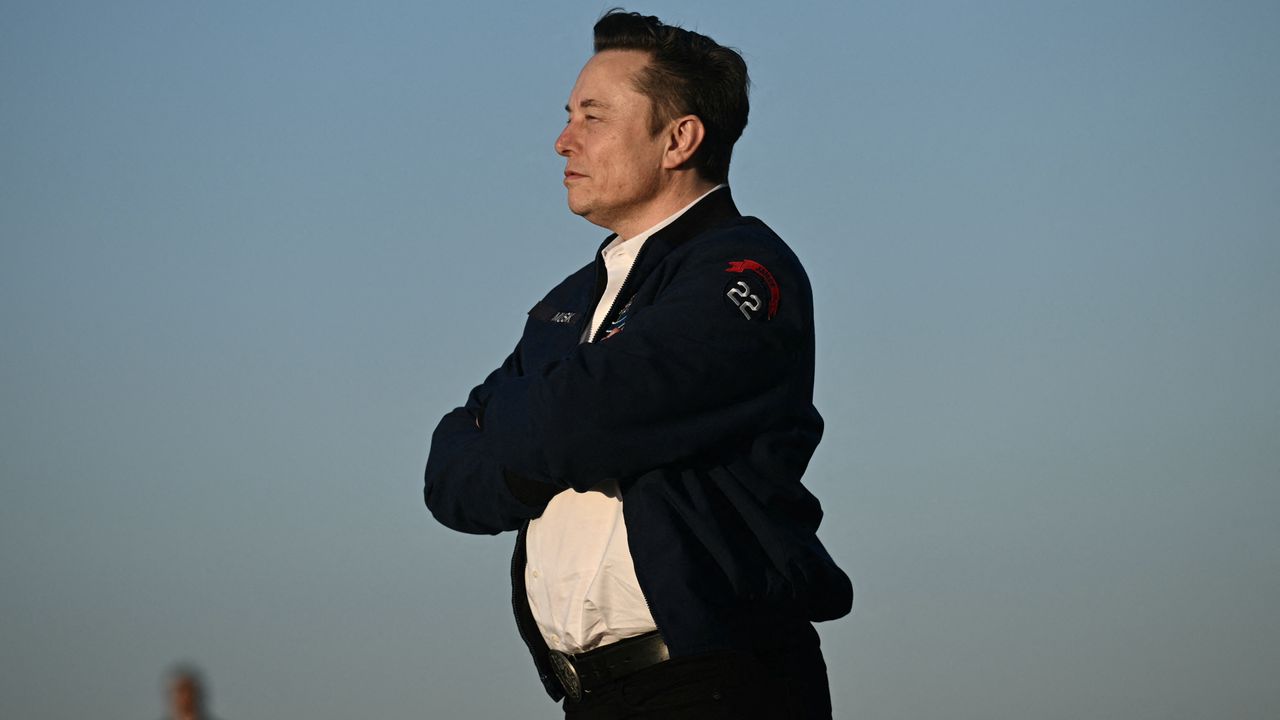
FTC Approval Paves Way for Mesh Optical Integration

The Federal Trade Commission (FTC) has granted Elon Musk the necessary approval to acquire Mesh Optical. This clearance marks a significant step in Musk's ambitious strategy to build a comprehensive stack of critical AI infrastructure. Mesh Optical, a company specializing in optical interconnects, plays a crucial role in high-speed data transfer, a component increasingly recognized as a major bottleneck in the development and deployment of advanced AI systems. The acquisition directly addresses this emerging chokepoint, aiming to solidify Musk's control over the foundational hardware necessary for large-scale AI operations. Sources indicate that this move is intended to bridge the gap between Musk's existing ventures, particularly his chip manufacturing efforts at Terafab and his satellite internet services provided by Starlink (formerly Gigasat). The integration of Mesh Optical’s technology is expected to create a more cohesive and efficient pipeline for AI computations, from silicon to data transmission.
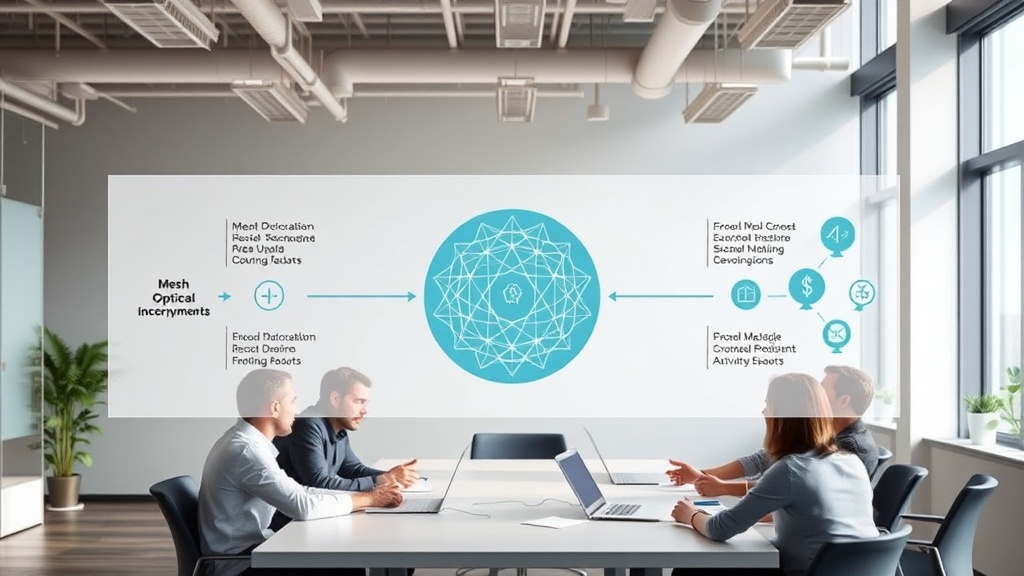
Diagram illustrating the proposed integration of Mesh Optical’s interconnects within Elon Musk’s AI hardware ecosystem.

The Interconnect Bottleneck in AI

The rapid advancements in AI, particularly in large language models (LLMs) and complex neural networks, have placed unprecedented demands on computing hardware. While the focus has often been on the processing power of GPUs and the memory capacity of HBM, the speed at which data can move between these components and across distributed systems is becoming the limiting factor. Optical interconnects, which use light to transmit data, offer significantly higher bandwidth and lower latency compared to traditional electrical interconnects. This makes them essential for high-performance computing (HPC) environments, which are the backbone of AI training and inference. As AI models grow in size and complexity, the sheer volume of data that needs to be moved rapidly between processors, memory modules, and storage systems escalates. Without sufficient interconnect capacity, even the most powerful processors can be left idle, waiting for data. This is the bottleneck that Mesh Optical's technology is designed to alleviate. The acquisition by Musk signals a strategic recognition of this critical infrastructure layer, moving beyond just chip design to encompass the high-speed networking required to make those chips perform at their peak.

Musk's Expanding AI Infrastructure Play

This acquisition is not an isolated event but rather a calculated expansion of Elon Musk's diverse interests in AI and related technologies. His ventures already span several key areas of AI infrastructure. At the foundational level, he is involved in chip design and manufacturing, aiming to produce custom silicon optimized for AI workloads. His satellite internet constellation, Starlink, provides the global connectivity necessary to deploy AI services anywhere, overcoming limitations of terrestrial networks. The acquisition of Mesh Optical adds a critical middle layer: the high-speed data pathways that connect processors, memory, and communication networks. Think of it less like building faster cars and more like building the superhighways and high-speed rail lines that connect them, ensuring they can reach their destination without traffic jams. By controlling these interconnected components—from custom chips to high-bandwidth optical links and global satellite communication—Musk is assembling a vertically integrated ecosystem. This approach offers potential advantages in performance optimization, cost control, and strategic control over the supply chain for AI hardware. The strategic rationale behind consolidating these elements is clear: to reduce dependencies on third-party suppliers for critical AI hardware components and to ensure that his own AI development initiatives, whatever they may be, have access to the most advanced and efficient infrastructure available. The move also positions Musk to potentially offer these integrated solutions to other entities, further solidifying his influence in the rapidly growing AI market. The FTC’s greenlight suggests that regulators see no significant antitrust concerns, likely viewing Mesh Optical as a specialized component provider rather than a dominant player in a broad market. This allows Musk to continue building out his vision for a comprehensive AI hardware foundation.

Market Implications and Future Outlook

The acquisition of Mesh Optical by Elon Musk has several implications for the broader AI hardware market. Firstly, it highlights the growing importance of interconnect technology as a distinct and critical market segment. As competition intensifies in GPU and AI chip manufacturing, companies are increasingly looking to optimize data transfer to gain a competitive edge. Musk’s move could spur further investment and innovation in the optical interconnect space, potentially accelerating the development of even faster and more efficient solutions. Secondly, it underscores the trend towards vertical integration in the AI industry. Companies are realizing that controlling more layers of the technology stack provides greater strategic advantages. Musk's ability to combine chip design, high-speed networking, and global connectivity could set a new benchmark for what constitutes a complete AI infrastructure solution. Competitors and other AI hardware providers will need to assess their own strategies regarding interconnects. Will they seek similar acquisitions, invest heavily in internal R&D, or rely on existing partnerships? The market for AI infrastructure is evolving rapidly, and the bottleneck is shifting from raw compute power to data movement. Musk's acquisition of Mesh Optical is a clear signal that he is anticipating and positioning himself to capitalize on this shift. The long-term impact will depend on how effectively Mesh Optical's technology can be integrated and scaled within Musk's broader ecosystem, and whether this integrated approach can deliver tangible performance gains that justify the strategic consolidation. What remains to be seen is how this integration will specifically impact the performance of AI models running on custom Musk-designed hardware, and whether it will enable new classes of AI applications previously constrained by data transfer limitations.