
Unpermitted Power: The Colossus 2 Controversy
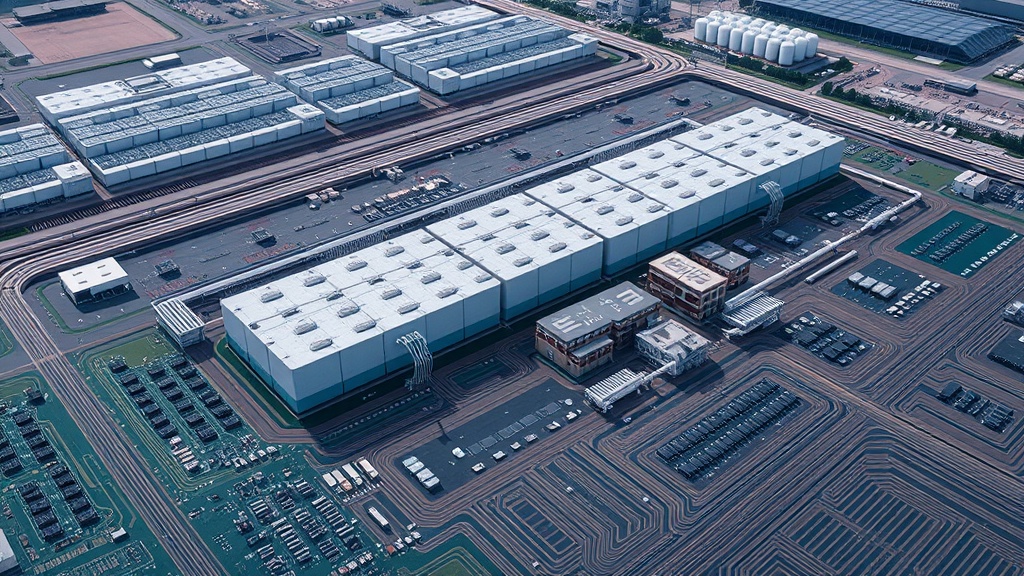
Elon Musk's ambitious data center project, codenamed Colossus 2, is now at the center of a significant controversy involving allegations of unpermitted construction and substantial environmental impact. A report claims that the facility, located in Mississippi, installed 59 natural gas turbines without obtaining the necessary regulatory permissions. This move, if true, not only bypasses standard environmental oversight but also raises serious questions about the project's adherence to legal and ethical standards.
The implications of these alleged actions are particularly concerning given the location of the Colossus 2 site. The surrounding communities are predominantly Black, and many residents are already grappling with elevated rates of lung disease. The report suggests that the turbines are releasing thousands of tons of pollutants annually, exacerbating existing health issues and disproportionately affecting a population that has historically faced environmental injustice. This situation highlights a critical tension between rapid technological development and the imperative to protect vulnerable communities from its adverse effects.
Environmental and Health Disparities in Mississippi
The heart of the controversy lies in the alleged environmental fallout impacting communities already burdened by health challenges. Mississippi, particularly the rural areas where such industrial projects are often situated, faces significant health disparities. The report's claims that Colossus 2 is emitting thousands of tons of pollutants paint a grim picture for residents. These pollutants can include nitrogen oxides (NOx), sulfur dioxide (SO2), particulate matter (PM2.5), and volatile organic compounds (VOCs), all of which are known to contribute to or worsen respiratory illnesses like asthma, bronchitis, and emphysema. For communities that already have higher-than-average rates of these conditions, the addition of a significant new source of pollution is not merely an inconvenience; it is a potential public health crisis.
The fact that these communities are predominantly Black adds a layer of environmental justice to the unfolding situation. Decades of systemic inequities have often led to minority populations being located closer to industrial sites, waste disposal facilities, and other sources of pollution. This phenomenon, often referred to as 'sacrifice zones,' means that these populations bear a disproportionate share of the environmental burden. The allegations against Colossus 2 appear to fit this pattern, suggesting that the pursuit of large-scale data infrastructure development may be coming at the direct expense of the health and well-being of already vulnerable populations. The lack of permits further suggests a disregard for the established processes designed to mitigate such impacts, including community consultation and environmental impact assessments.
Regulatory Oversight and Legal Challenges
The accusation that Colossus 2 installed 59 natural gas turbines without permission is a direct challenge to regulatory bodies and environmental protection laws. Natural gas turbines, especially in such large numbers, require permits that typically involve detailed environmental reviews, emissions monitoring plans, and public comment periods. These processes are designed to ensure that industrial operations do not pose undue risks to public health or the environment. If Colossus 2 bypassed these steps, it would indicate a significant failure in oversight, either by the company itself or by the agencies responsible for enforcing these regulations.
Currently, the situation is reportedly the subject of a lawsuit. Lawsuits of this nature often seek to halt operations, mandate compliance with environmental regulations, and potentially seek damages for the harm caused. The specific claims within the lawsuit would likely detail the nature of the unpermitted activity, the types and quantities of pollutants released, and the documented health impacts on the local population. The legal proceedings will be crucial in determining the extent of the alleged violations and the accountability of the parties involved. For residents and environmental advocates, the lawsuit represents a vital avenue for seeking redress and ensuring that future industrial developments adhere strictly to environmental laws and prioritize community health.
Broader Implications for Data Center Development
The Colossus 2 controversy arrives at a time when the demand for data center capacity is exploding, fueled by the rise of artificial intelligence, cloud computing, and the metaverse. This rapid expansion, however, is increasingly coming under scrutiny for its significant energy consumption and environmental footprint. Large data centers require vast amounts of electricity, often met by fossil fuel-based power sources, leading to substantial carbon emissions. The use of natural gas turbines, while often presented as a cleaner alternative to coal, still releases greenhouse gases and other harmful pollutants.
This incident serves as a stark reminder that the unchecked growth of the tech industry can have profound real-world consequences, especially when environmental regulations are sidestepped. It underscores the need for robust regulatory frameworks, vigilant enforcement, and greater transparency from tech giants regarding their infrastructure projects. The environmental justice dimension is equally critical; developers must proactively engage with communities, assess potential impacts, and implement mitigation strategies that do not disproportionately burden marginalized populations. The question remains: as the digital world expands, how can we ensure its physical infrastructure is built responsibly and equitably?