Tesla and the NTSB at Odds Over Fatal Crash
Elon Musk, CEO of Tesla, has publicly denied that the company's Autopilot system was responsible for a fatal crash that killed a grandmother. The incident, which occurred in late 2025, has drawn scrutiny from the National Transportation Safety Board (NTSB). While the NTSB's preliminary findings suggest potential design flaws in Tesla's Autopilot system, Musk has firmly placed the blame on the driver for misusing the technology.
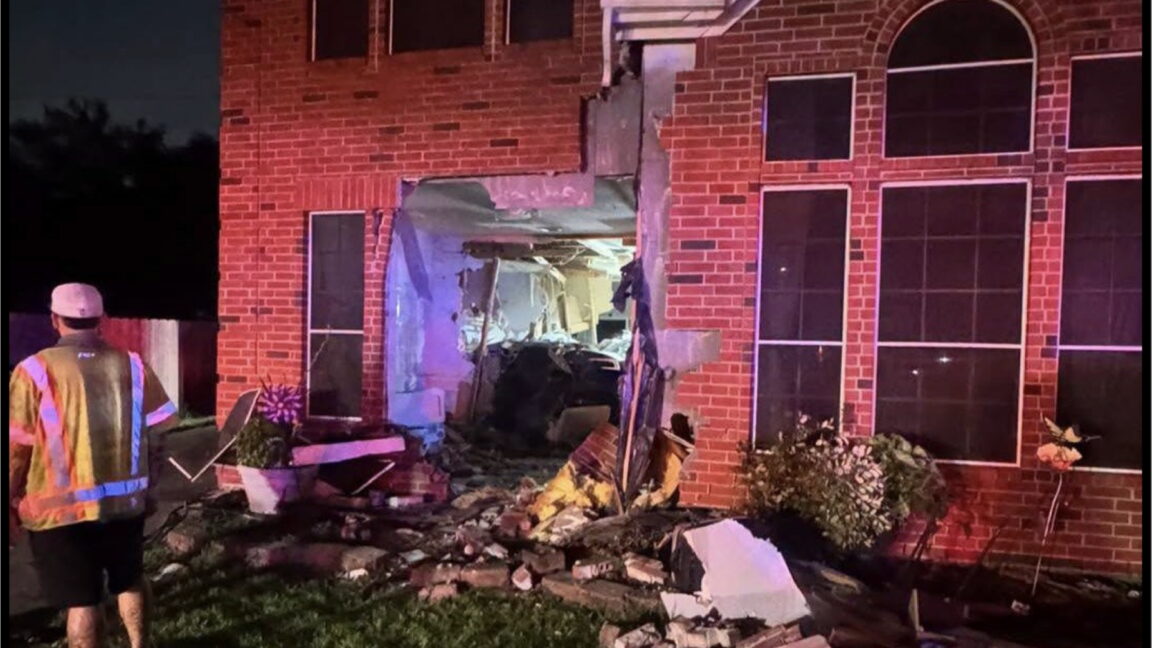
The crash involved a Tesla Model 3 operating on Autopilot. Reports indicate the vehicle veered off the road and collided with a tree, resulting in the death of the driver. The NTSB has been investigating the incident, focusing on whether the Autopilot system adequately monitored the driver's attention and whether any software or hardware issues contributed to the loss of control. This is not the first time Tesla's driver-assist technology has been implicated in fatal accidents, leading to ongoing debates about the safety and capabilities of systems marketed as "full self-driving" or "autopilot."
Musk's Counter-Narrative: Driver Error
In a series of statements, Musk asserted that data from the vehicle's logs clearly shows the driver was at fault. According to Musk, the driver had their hands off the wheel for an extended period and was pressing the accelerator pedal, not the brake, in the moments leading up to the collision. This directly contradicts the NTSB's preliminary focus on the Autopilot system's performance and its ability to handle the driving task under the given conditions. Musk's argument frames Autopilot as a driver-assist tool that requires constant human supervision, and that in this instance, the driver failed to provide that supervision, actively interfering with the vehicle's intended operation.
Tesla's defense strategy, as articulated by Musk, hinges on the idea that the driver's actions were the sole proximate cause of the crash. This approach aims to shield the company from liability and to reinforce its position that Autopilot, while advanced, is not a fully autonomous system. The company often emphasizes that drivers must remain attentive and ready to take control at all times, a disclaimer that is part of the user agreement for its vehicles. However, critics argue that the marketing and naming of features like "Autopilot" and "Full Self-Driving" can create a misleading impression of the system's capabilities, potentially encouraging drivers to become over-reliant or inattentive.
NTSB's Investigation and Tesla's Response
The NTSB's investigation is a complex process that involves meticulous examination of vehicle data, accident scene reconstruction, and interviews with relevant parties. The agency's role is to determine the probable cause of transportation accidents and to issue safety recommendations to prevent similar incidents. Their preliminary findings, if they point towards system failures or design issues, would carry significant weight. Tesla's proactive denial and counter-accusation directed at the driver, however, signal a potential divergence in conclusions.
This public dispute highlights a recurring tension between automakers pushing the boundaries of autonomous driving technology and regulatory bodies tasked with ensuring public safety. The NTSB's final report will be crucial in clarifying the sequence of events and the specific factors that led to the fatal outcome. It will likely detail the vehicle's speed, steering inputs, braking actions, and the status of the Autopilot system at the time of the crash. Furthermore, the investigation will examine the driver's history and behavior leading up to the incident.
Broader Implications for Autonomous Driving
The outcome of this investigation and the public statements from Musk have significant implications for the future of autonomous driving technology. If the NTSB's findings align with Musk's assertions, it could bolster the argument that current limitations are primarily due to human factors and misuse, rather than inherent technological flaws. Conversely, if the NTSB identifies shortcomings in Tesla's Autopilot system, it could lead to stricter regulations, mandatory software updates, or even recalls, potentially impacting Tesla's reputation and its market position.
The core of the debate lies in defining the boundary between advanced driver-assistance systems (ADAS) and true self-driving capabilities. Systems like Autopilot are designed to assist the driver, not to replace them entirely. However, the sophisticated nature of these systems, coupled with compelling marketing, can blur this distinction in the minds of consumers. This incident serves as a stark reminder of the critical need for clear communication about system limitations and for robust driver education programs. The question remains: as these systems become more capable, how do we ensure they are used as intended, and what responsibility do manufacturers bear when human error intersects with advanced technology?
This case also raises questions about the transparency of data and the interpretation of logs. Musk's confidence in the vehicle data suggests Tesla has a robust system for capturing and analyzing driving information. However, the NTSB conducts its own independent analysis, which may uncover nuances or alternative interpretations. The public and the industry will be watching closely to see whose account the final evidence supports.