The Core Problem: Rebuilding Video Engine Complexity
Building a functional video editor in the browser is a deceptively complex task. Developers repeatedly face the same fundamental engineering hurdles: achieving frame-accurate playback, implementing a robust and non-corrupting undo/redo system, and ensuring exported video precisely matches the preview. These are not product design choices; they are core engine problems. Until now, developers building web-based video tools have had to engineer these solutions from scratch, leading to duplicated effort and slower innovation across the ecosystem.
Miraiclip, an open-source, framework-agnostic library released on npm under the MIT license, aims to solve this. It positions itself not as a complete editor application, but as a headless engine. The library provides the foundational components: project state management, a microsecond-precision timeline, and a comprehensive command history. Rendering is handled as a separate output, decoupling the core logic from the presentation layer.
This design decision is central to Miraiclip's philosophy. By abstracting away the mechanics of video manipulation, it allows developers to focus on the user experience and unique features of their specific video editing applications. The library's architecture is built around a core state machine that tracks all changes. Every operation, from adding a clip to applying a filter, is recorded as a command. This command history is the backbone of the undo/redo functionality, ensuring state integrity.
The engine's timeline is designed for precision. Unlike typical media playback which might operate on seconds or even frames with some tolerance, Miraiclip operates at the microsecond level. This granular control is essential for tasks like precise cut points, complex transitions, and accurate synchronization of audio and video elements. The library exposes methods to manipulate this timeline, allowing for insertion, deletion, and reordering of clips and effects.
Rendering is handled via a separate output mechanism. Miraiclip doesn't dictate how video is displayed or exported. Instead, it provides the processed frames or video data that an application can then render using browser technologies like the Canvas API or WebGL. This flexibility is key to its framework-agnostic nature, enabling integration with React, Vue, Angular, or even vanilla JavaScript projects.
Tackling Specific Browser Video Challenges
Beyond the general engine problems, specific use cases highlight the need for such a library. One common challenge is removing white backgrounds from videos directly in the browser, a task often requiring desktop software like Adobe Premiere Pro or After Effects. Standard web video formats like MP4/H.264 do not natively support alpha transparency, meaning videos with white backgrounds appear as solid rectangles, clashing with dark modes or custom branding on websites.
Miraiclip's underlying principles can be applied to solve this. While not a built-in feature of the current engine release, the engine's ability to draw video frames to an HTML5 Canvas provides the foundation. Developers can leverage the Canvas API to read pixel data from each video frame. By analyzing pixel values, they can identify and effectively key out a specific color, such as white, by making those pixels transparent. This process involves drawing the video to a canvas, then iterating through the pixel data to create a mask or alpha channel for transparency. The modified frames can then be re-encoded or rendered in real-time.
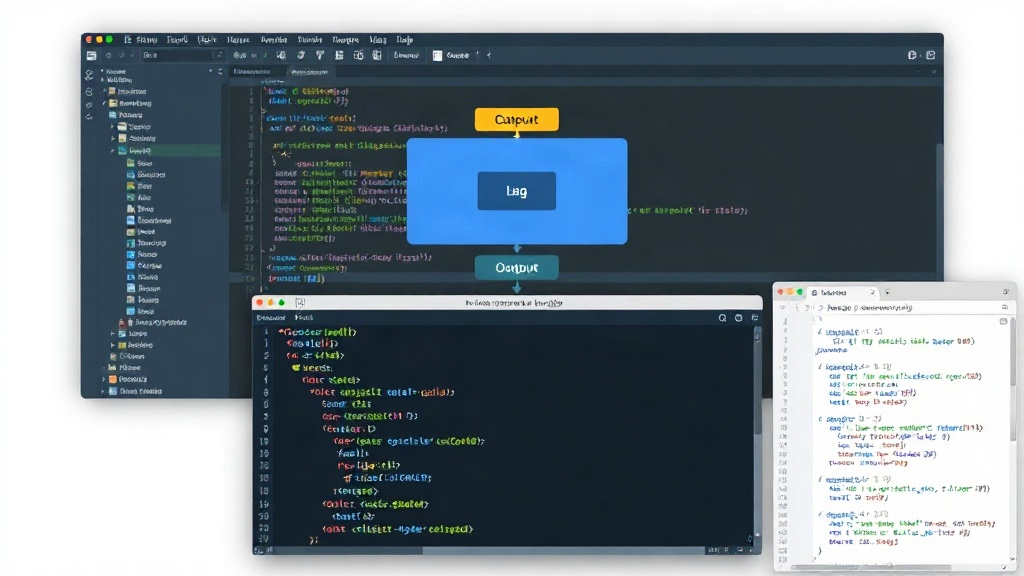
This approach bypasses the need for heavy desktop applications, enabling dynamic background removal for web animations, logos, or special effects directly within the browser environment. The granular control offered by Miraiclip's timeline and frame access is crucial for ensuring that this background removal process is applied consistently and accurately across the entire video, frame by frame.
Design Decisions and Hard-Won Lessons
The core design decision underpinning Miraiclip is the separation of concerns: engine vs. application. This headless approach avoids imposing a specific UI or workflow, making the library adaptable. However, it also means developers must build the user-facing components themselves.
One of the significant challenges in browser video processing is performance. Manipulating video frames, especially for complex operations like background removal or real-time effects, is computationally intensive. Leveraging the Canvas API is a common strategy, but performance can degrade quickly with higher resolutions or longer videos. WebGL offers a more performant alternative for certain operations, particularly those involving shaders for effects, but it comes with a steeper learning curve.
Another hard-won lesson is the complexity of video export. Ensuring that the final output matches the preview requires careful management of codecs, bitrates, and rendering pipelines. Browser APIs for media encoding have evolved, but achieving consistent, high-quality exports across different browsers and devices remains a challenge. Miraiclip provides the processed data, but the final encoding step still requires careful implementation by the application developer.
The library's MIT license makes it freely available for both commercial and non-commercial use, encouraging widespread adoption. By providing a solid, open-source foundation, Miraiclip aims to accelerate the development of innovative browser-based video editing tools, reducing the barrier to entry for creating sophisticated video manipulation experiences online.