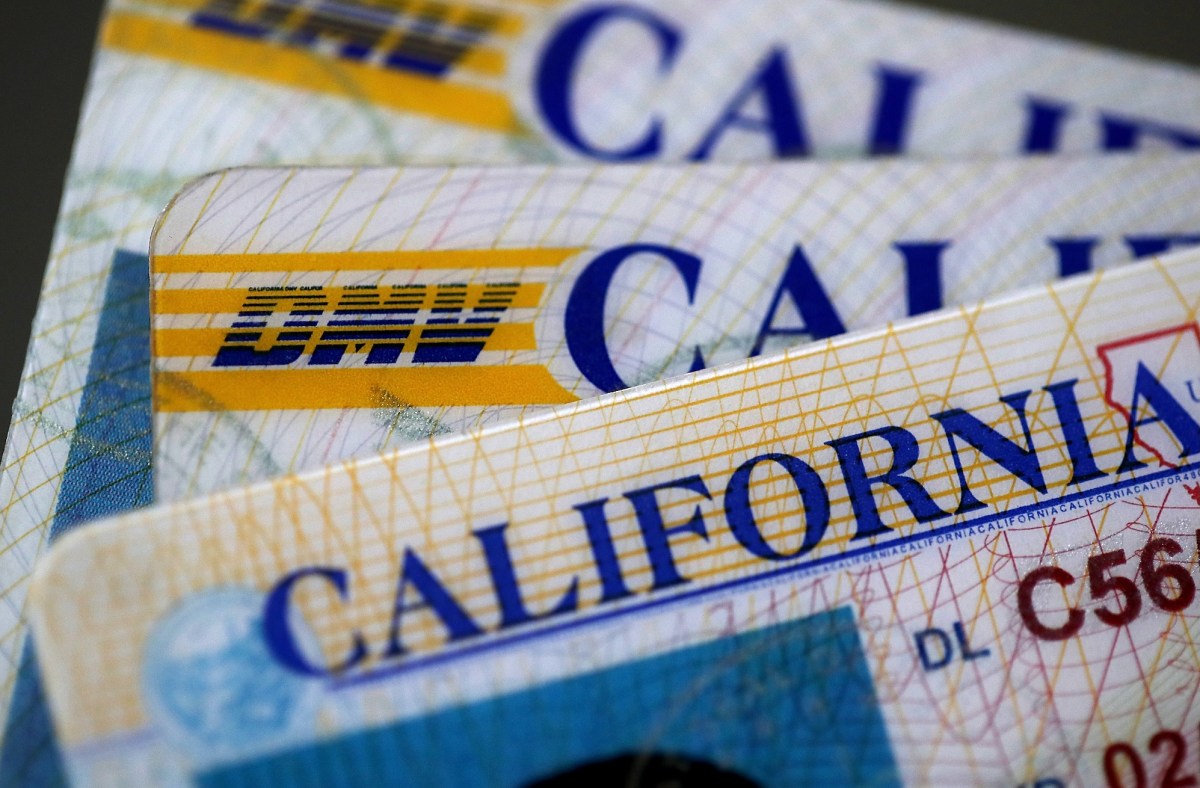
Massive Driver's License Data Breach Exposes Millions
A significant cyberattack has compromised a U.S. insurance company, leading to the exposure of millions of driver's license numbers. This incident marks the largest known breach of such sensitive data so far in 2026, raising immediate concerns about identity theft and fraud for a vast number of individuals.
The full scope of the breach is still under investigation, but initial reports indicate that the compromised data includes not only driver's license numbers but potentially other personally identifiable information (PII) that could be leveraged by malicious actors. While the specific insurance company has not been publicly named, the sheer volume of affected individuals suggests a widespread impact across multiple states and demographics.
Driver's license numbers are a critical piece of identity verification. They contain a unique identifier linked to an individual's official government record, often including date of birth, address, and a photograph. This makes them a prime target for criminals seeking to impersonate individuals, open fraudulent accounts, or facilitate other forms of identity theft. The aggregation of these numbers with other PII, if present in the breach, creates a potent cocktail for sophisticated attacks.
The timing of this breach, midway through 2026, highlights an ongoing and escalating threat landscape. Cybersecurity experts have repeatedly warned about the increasing sophistication of attacks targeting large databases of personal information. Insurance companies, financial institutions, and healthcare providers, which hold vast amounts of sensitive PII, remain particularly attractive targets. The constant battle between defenders and attackers has seen attackers increasingly focus on exploiting vulnerabilities in third-party vendors or supply chains, a tactic that could be at play here.
Implications of Driver's License Data Exposure
The implications for individuals whose driver's license numbers have been exposed are severe. Unlike credit card numbers, which can be easily reissued, driver's licenses are tied to a physical identity and are often used as primary identification for a multitude of services. This includes renting vehicles, verifying age for certain purchases, and even opening new bank accounts. The exposure of these numbers can facilitate synthetic identity fraud, where fraudsters create fake identities using a mix of real and fabricated information, making them incredibly difficult to detect.
Furthermore, the data could be used in conjunction with information from previous breaches. Many individuals reuse passwords and security questions across different online services. If the compromised insurance data includes email addresses or other contact information, attackers can cross-reference this with known data dumps from other breaches to piece together a more comprehensive profile of the victim. This amplifies the risk of account takeovers and financial loss.
The insurance industry, in particular, has been a frequent target. The nature of their business involves collecting extensive personal data for underwriting, claims processing, and customer service. This data is invaluable to cybercriminals. The fact that this breach is the largest of its kind this year suggests that attackers are finding success in penetrating the defenses of even large, established organizations.
The Unanswered Question of Remediation
What remains unclear, and is perhaps the most pressing concern for affected individuals, is the adequacy and speed of the remediation efforts. Will affected customers be notified promptly? What measures will the insurance company implement to protect those whose data has been compromised? Will identity theft protection services be offered, and for how long? These are critical questions that demand immediate and transparent answers from the breached entity.
The process of reissuing driver's licenses is complex and varies by state. It typically involves in-person visits to licensing agencies, providing new documentation, and paying fees. For millions of individuals, the prospect of having to navigate this process due to a data breach is a daunting one. The burden of proof for identity theft often falls on the victim, making proactive measures and robust support from the breached entity essential.
This incident underscores the critical need for enhanced data security practices across all industries that handle sensitive personal information. It also highlights the importance of robust regulatory frameworks that not only penalize data breaches but also mandate stringent security standards and rapid, effective response mechanisms for affected individuals. The ongoing nature of these large-scale breaches suggests that current measures are falling short, leaving millions vulnerable to the fallout of cybercriminal activity.