%22%20%2F%3E%0A%20%20%3C%2Fsvg%3E)
ACR Stealer Escalates Attacks on Enterprise Customers
Microsoft has identified a significant increase in cyberattacks leveraging the ACR Stealer malware. This sophisticated threat is specifically targeting Microsoft enterprise customers, aiming to pilfer sensitive data stored within web browsers and on user systems. The malware's primary objective is to exfiltrate credentials, authentication tokens, and critical documents, posing a substantial risk to organizational security and data integrity.
ACR Stealer is not a new entrant to the cybercrime landscape, but its recent surge in activity and its refined targeting of enterprise environments represent a notable escalation. Attackers are deploying this malware with the intent of gaining unauthorized access to corporate networks and sensitive information. The methods employed by ACR Stealer are designed to be stealthy, often masquerading as legitimate software or through social engineering tactics, making detection and prevention a complex challenge for security teams.
How ACR Stealer Operates
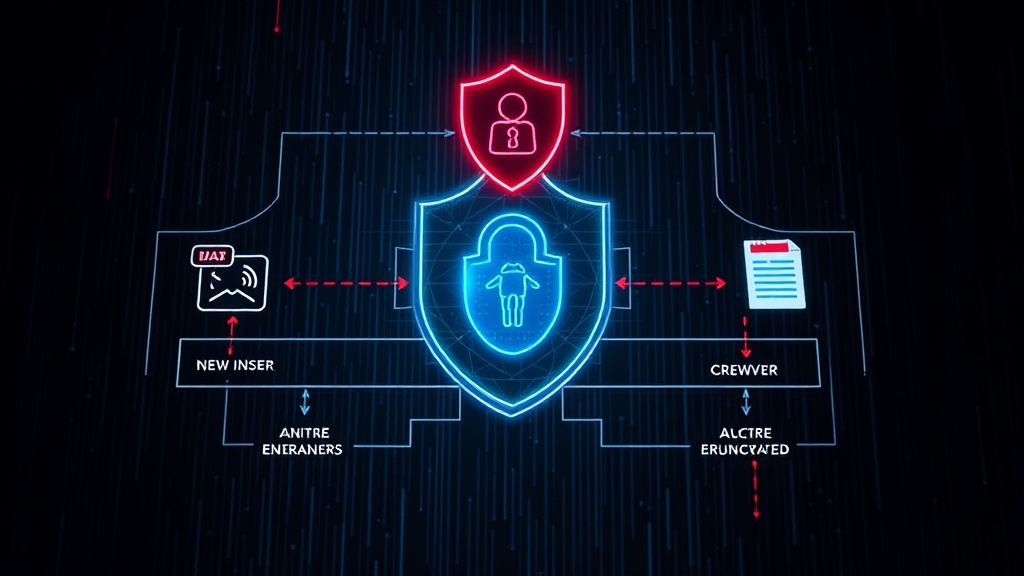
The core functionality of ACR Stealer revolves around its ability to access and extract data directly from web browsers. It targets stored passwords, cookies, and authentication tokens across popular browsers like Chrome, Edge, Firefox, and others. By compromising these elements, attackers can effectively hijack user sessions, bypass multi-factor authentication in some cases, and gain access to accounts without needing to crack passwords directly. This is particularly dangerous in an enterprise setting where employees may reuse credentials or have access to a wide array of sensitive corporate resources.
Beyond browser data, ACR Stealer is also adept at locating and exfiltrating specific types of files from a victim's machine. While the exact file types can vary, common targets include documents, financial records, and configuration files that could contain valuable intellectual property or sensitive business information. The malware employs various techniques to scan directories, identify target files, and then transfer them to attacker-controlled servers. This broad data-gathering capability makes it a versatile tool for cybercriminals seeking to monetize stolen information through direct sale or further exploitation.
The Evolving Threat Landscape
Microsoft's threat intelligence reports indicate that the operators behind ACR Stealer are actively developing and updating their malware. This includes improving its evasion techniques to bypass antivirus software and security solutions, as well as enhancing its data extraction capabilities. The malware is often delivered through phishing emails, malicious advertisements, or compromised software downloads, making user awareness and robust endpoint security crucial for defense.
The concern for enterprise customers stems from the potential for widespread impact. A single compromised employee account can serve as an entry point into a larger corporate network. Once inside, attackers can move laterally, escalating privileges and accessing more critical systems. The stolen authentication tokens are particularly problematic, as they can grant attackers persistent access without requiring repeated logins. This makes it imperative for organizations to not only focus on initial infection vectors but also on detecting and responding to post-compromise activities.
Mitigation Strategies for Enterprises
Microsoft recommends a multi-layered approach to combat ACR Stealer attacks. This includes:
- Enhanced Endpoint Detection and Response (EDR): Deploying and properly configuring EDR solutions can help detect the malicious activities of ACR Stealer in real-time.
- Security Awareness Training: Educating employees about phishing, social engineering tactics, and the dangers of downloading untrusted software is paramount.
- Principle of Least Privilege: Ensuring users only have access to the data and systems necessary for their job functions can limit the blast radius of a compromise.
- Regular Software Updates: Keeping operating systems and applications, especially web browsers, up-to-date can patch vulnerabilities that malware might exploit.
- Multi-Factor Authentication (MFA): While ACR Stealer can steal tokens, robust MFA implementation adds a significant layer of security that is harder to bypass.
- Browser Security Settings: Configuring browsers to limit cookie permissions, avoid auto-saving passwords for sensitive sites, and using security extensions can add protection.
What remains unclear is the specific infrastructure and supply chain vulnerabilities that ACR Stealer is most effectively exploiting to gain initial access into enterprise networks. While phishing is a common vector, the malware's increased sophistication suggests potential exploitation of zero-day vulnerabilities or sophisticated supply chain compromises that are more difficult to track.
Broader Implications and Future Outlook
The surge in ACR Stealer attacks is indicative of a broader trend where cybercriminals are increasingly focusing on credential theft and session hijacking as primary means of gaining access to valuable corporate data. This shift away from purely ransomware-focused attacks to more insidious forms of espionage and data exfiltration demands a recalibration of security strategies. Organizations must move beyond perimeter defense and focus heavily on identity security, endpoint visibility, and rapid incident response.
The continuous evolution of malware like ACR Stealer underscores the ongoing arms race between attackers and defenders. As security solutions become more advanced, attackers adapt, finding new ways to circumvent defenses. For enterprises, this means a constant need to evaluate and update their security postures, staying informed about emerging threats, and investing in technologies that provide comprehensive visibility and control across their digital estate. The challenge is not just about preventing initial compromise, but about building resilience against persistent threats that aim to systematically drain an organization of its most valuable digital assets.