Residents Sue Microsoft Over AI Data Center's Environmental Impact
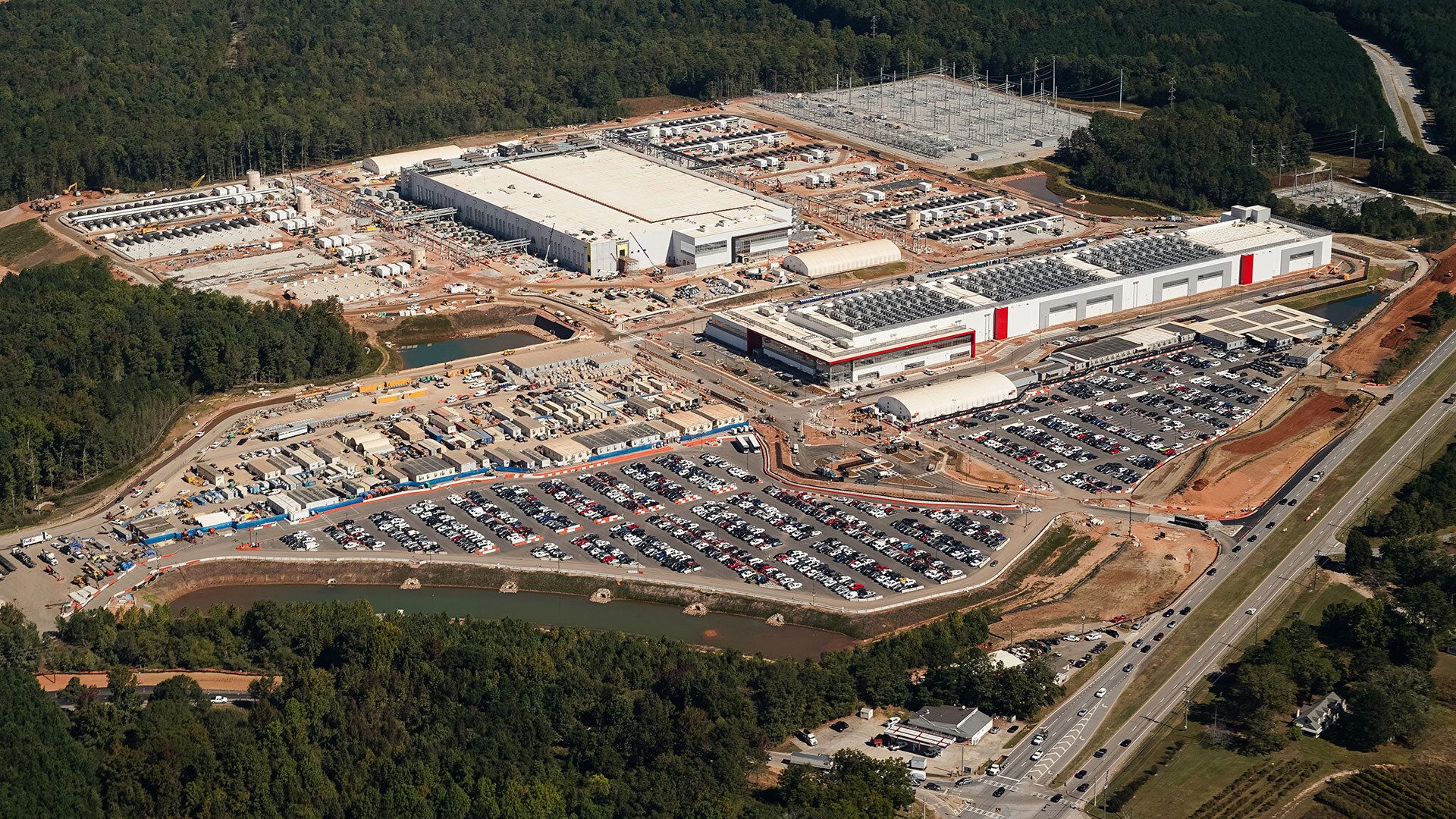
A class-action lawsuit has been filed against Microsoft by residents in Wisconsin, alleging that the company's massive $7.3 billion AI data center has created significant environmental disturbances. The plaintiffs cite persistent, disruptive noise from the facility's operations, construction-related disturbances, and extreme light pollution as primary grievances. The lawsuit targets what Microsoft has touted as the "world's most powerful AI data center," highlighting a growing tension between rapid technological expansion and community well-being.
The facility, located in the town of Mount Pleasant, Wisconsin, represents a substantial investment by Microsoft in artificial intelligence infrastructure. However, the scale of the project has brought unforeseen consequences for the surrounding community. Residents report that the constant hum and operational sounds emanating from the data center are a significant disruption to their daily lives, affecting sleep patterns and overall quality of life. This operational noise is compounded by the echoes of the extensive construction phase, which residents claim was also excessively loud and prolonged.
Construction and Operational Noise Disturbances
The lawsuit details how the construction phase alone subjected residents to what they describe as "unbearable" levels of noise for an extended period. This included heavy machinery operation, demolition, and continuous building activities. While construction noise is often understood as a temporary inconvenience, the plaintiffs argue that the duration and intensity of this project's construction phase exceeded reasonable limits, causing lasting distress and property value concerns. Following the completion of construction, the operational noise from the data center's cooling systems, servers, and other essential equipment has become a persistent issue. Data centers, particularly those designed for high-performance AI workloads, require substantial power and robust cooling mechanisms, which often translate into constant, low-frequency hums and higher-pitched whines from ventilation systems.
These sounds, often described as a constant drone, can be particularly intrusive at night, disrupting sleep and creating an environment that many find difficult to coexist with. The lawsuit claims that Microsoft failed to adequately mitigate these noise issues, despite being aware of the potential impact on the local residential areas. The plaintiffs are seeking damages and injunctive relief to compel Microsoft to address and reduce the noise pollution emanating from the facility.
Extreme Light Pollution Blights the Rural Landscape
Beyond the auditory disturbances, the lawsuit also addresses the issue of extreme light pollution. Large data centers typically require extensive external lighting for security and operational purposes. In the case of Microsoft's Mount Pleasant facility, residents claim that the intensity and spread of this artificial light are overwhelming, effectively eliminating the rural night sky. This light pollution can disrupt natural circadian rhythms for both humans and wildlife, and it fundamentally alters the character of the area, which was previously a more tranquil, dark-sky environment.
The plaintiffs describe the light as being so pervasive that it penetrates homes, making it difficult to sleep and diminishing the enjoyment of their properties. The lawsuit contends that Microsoft did not implement sufficient shielding or directed lighting solutions to minimize light trespass into adjacent residential areas. This aspect of the complaint underscores a broader challenge in the development of large-scale industrial facilities in or near residential zones: balancing the operational needs of the business with the environmental and aesthetic expectations of the local community. The $7.3 billion investment, while promising economic benefits, has apparently come at a significant cost to the immediate environment and the residents' peace.
The Broader Implications for AI Infrastructure Development
This lawsuit raises critical questions about the environmental impact of the rapidly expanding AI data center industry. As companies like Microsoft, Google, and Amazon pour billions into building increasingly powerful AI infrastructure, the strain on local resources—including power grids, water supplies, and the general environment—becomes a pressing concern. The noise and light pollution complaints from Wisconsin residents are not isolated incidents; similar environmental and community impact concerns have surfaced in other regions where large data centers are being proposed or built.
The development of AI hinges on massive computational power, which in turn requires vast physical infrastructure. These facilities are energy-intensive and generate significant heat, necessitating powerful cooling systems that are often a source of noise. The sheer scale of these operations can also lead to increased truck traffic, construction impacts, and a visible footprint that alters the local landscape. As the demand for AI continues to accelerate, developers of these centers will face increasing scrutiny over their environmental stewardship. This lawsuit serves as a potent reminder that the pursuit of technological advancement must be balanced with community impact and environmental responsibility. The outcome in Wisconsin could set a precedent for how future data center developments are planned, approved, and operated, potentially forcing greater consideration of noise abatement, light shielding, and community engagement from the outset.
What remains to be seen is how Microsoft will respond to these specific allegations and whether a settlement can be reached that addresses the residents' concerns without unduly hindering the operational needs of such a critical AI infrastructure hub. The legal proceedings will likely hinge on local zoning ordinances, environmental impact assessments, and the demonstrable severity of the disturbances experienced by the plaintiffs.