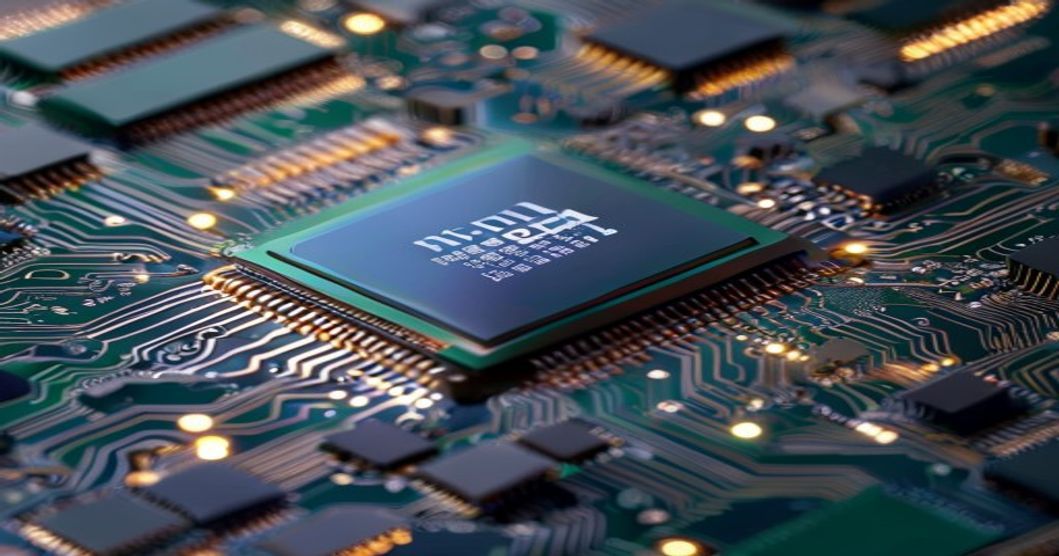
Meta Bets Big on Samsung for Next-Gen AI Silicon
Meta Platforms is reportedly forging a significant strategic alliance with Samsung Foundry, committing an estimated $6.5 billion to manufacture its third-generation custom AI chips, codenamed MTIA (Meta Training and Inference Accelerator). This move marks a substantial pivot for the social media giant, shifting a portion of its advanced chip production away from long-time partner TSMC to the South Korean semiconductor giant. The deal is centered on Samsung's cutting-edge 2-nanometer (2nm) process technology, positioning Meta to leverage some of the most advanced manufacturing capabilities available in the market.
The strategic importance of this deal cannot be overstated. Meta's ambition to reach 5 gigawatts of computing capacity by 2030 for its AI and cloud initiatives demands a robust and scalable supply chain for its custom silicon. By diversifying its manufacturing base to include Samsung, Meta aims to mitigate supply chain risks, particularly given the intense global demand for advanced AI chips. This also represents a direct challenge to NVIDIA's entrenched dominance in the AI GPU market, as Meta continues to invest heavily in its in-house MTIA chips, designed to offer optimized performance and power efficiency for its specific AI workloads.
The MTIA program is a critical component of Meta's long-term strategy. The company has been progressively developing these custom accelerators to reduce its reliance on external vendors and gain greater control over its hardware roadmap. The third generation, produced on a 2nm node, is expected to deliver a significant leap in performance and efficiency compared to its predecessors. This investment underscores Meta's commitment to building a foundational infrastructure for its metaverse ambitions, large language models, and recommendation engines, all of which are increasingly compute-intensive.
Strategic Implications and Market Dynamics
This reported deal places Samsung Foundry in a stronger competitive position against its primary rival, TSMC. For years, TSMC has been the foundry of choice for many leading technology companies developing advanced AI chips, including Apple and NVIDIA. By securing Meta's substantial order for 2nm production, Samsung demonstrates its capability to attract high-profile clients seeking leading-edge manufacturing processes. This could signal a shift in the foundry landscape, potentially leading to more intense competition and innovation in advanced node manufacturing.
The decision to move a portion of its chip production to Samsung also allows Meta to potentially negotiate more favorable terms and secure dedicated capacity. The sheer scale of Meta's AI compute needs means that even a partial shift can represent a significant win for a foundry. Furthermore, by producing its own AI accelerators, Meta aims to achieve a cost advantage and tailor hardware performance precisely to its software needs, a strategy that has proven highly effective for companies like Google with its TPUs and Amazon with its Inferent chips.
The broader context for this deal is the escalating arms race in artificial intelligence. Companies are pouring billions into developing and deploying AI at an unprecedented scale. This requires not only sophisticated algorithms and vast datasets but also immense computing power. Custom silicon, like Meta's MTIA chips, offers a way to optimize this power more effectively than general-purpose hardware. The move to 2nm process technology is a testament to the relentless pursuit of smaller, faster, and more power-efficient chips, which are crucial for training and running increasingly complex AI models.
Reducing Reliance and Bolstering Competitiveness
Meta's strategy involves a multi-pronged approach to AI infrastructure. While it continues to utilize NVIDIA GPUs for many of its training needs, the development and production of MTIA chips are key to its long-term vision of self-sufficiency and cost optimization. This diversification strategy is not unique to Meta; many large tech companies are exploring or implementing similar custom silicon strategies. However, the scale and reported value of this deal with Samsung highlight the critical role foundries play in enabling these ambitions.
The reported $6.5 billion investment is not just about manufacturing capacity; it's about securing access to next-generation process nodes. The 2nm process represents a significant advancement, promising higher transistor density and improved energy efficiency. For Meta, this translates to the ability to pack more processing power into its data centers, supporting its rapidly growing AI workloads while potentially managing power consumption more effectively. This is particularly critical as Meta aims to scale its computing capacity to 5 gigawatts by 2030.
What remains to be seen is how this partnership will impact the ongoing competition between TSMC and Samsung Foundry. While TSMC has historically held a lead in advanced node yields and customer trust, Samsung's ability to secure such a significant deal with Meta could reshape market dynamics. It also raises questions about the long-term capacity and roadmap for other AI chip manufacturers and the potential for increased pricing pressure across the industry as more players seek custom silicon solutions.