Cheyenne Water System Contaminated by Meta Data Center Discharge
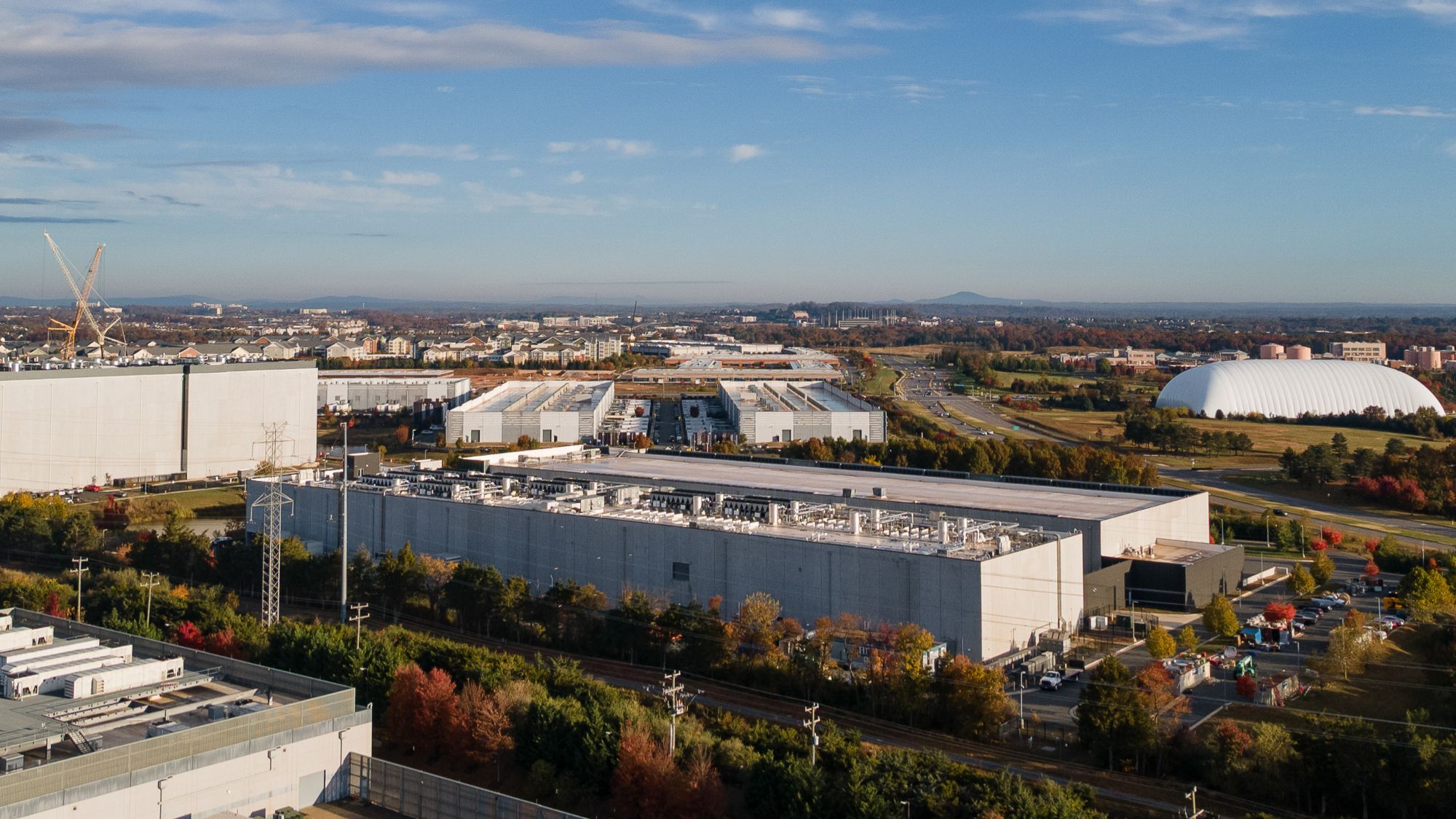
Cheyenne, Wyoming, has suspended all fill-and-flush operations and closed-loop cooling system discharges from Meta's data center after a contractor's actions led to the contamination of the city's reclaimed water supply with bacteria. The incident, which began in late 2023, has forced the city to take its reclamation system offline for an estimated several months for extensive cleaning and remediation. The contamination specifically involved a rare, metal-resistant strain of bacteria, raising significant public health and environmental concerns.
The contamination was traced back to the commissioning process of Meta's data center. Fill-and-flush is a standard procedure where crews fill a cooling loop's piping with water and then flush it to remove any debris before the system is put into operation. It is during this flushing stage that the bacteria, present in the water used for the process, were discharged into the city's reclamation water system. This system is designed to reuse treated wastewater for non-potable purposes, such as irrigation and industrial cooling, making the contamination particularly problematic for its intended use.
The Nature of the Contamination
The bacteria identified are described as rare and metal-resistant. While the immediate threat to potable water supplies is mitigated by the fact that the contamination occurred in the reclamation system, the long-term implications for the city's water infrastructure and the environment are significant. Metal-resistant bacteria can pose challenges for water treatment processes, as they may be less susceptible to standard disinfection methods. Furthermore, the presence of such bacteria in the reclaimed water could restrict its use for agricultural or industrial purposes until the system is fully remediated and deemed safe.
The closed-loop cooling system at the data center is designed to recirculate water, minimizing consumption. However, the purge process, part of maintenance or commissioning, releases water that has circulated within the system. If this water contains contaminants, as it did in this case, the environmental impact can be substantial, especially if discharged without adequate treatment or filtration. The specific strain of bacteria, its origin, and the exact mechanisms by which it proliferated within the cooling system are still under investigation, but its metal-resistant properties are a key concern for remediation efforts.
Impact on Cheyenne and Meta
For Cheyenne, the consequences are immediate and severe. The city's reclamation water system, a vital resource for non-potable water needs, is now unusable. The estimated timeline for cleaning and restoring the system to full operation is several months, placing a significant strain on the city's water management resources and potentially impacting local businesses and agricultural operations that rely on this water source. The cost of this extensive cleaning operation is expected to be substantial, and questions are already arising about liability and compensation.
Meta, a company with a significant physical infrastructure footprint, faces reputational damage and potential financial liabilities. While the fill-and-flush process was reportedly carried out by a contractor, Meta is ultimately responsible for the operations on its property and the environmental impact of its facilities. The incident highlights the critical need for stringent oversight and environmental protocols, even for standard commissioning procedures. This event could lead to increased scrutiny of data center operations and their environmental discharge practices across the industry.
Broader Implications for Data Center Operations
This incident serves as a stark reminder of the environmental responsibilities associated with large-scale industrial operations, particularly data centers, which are massive consumers of water for cooling. While data centers are increasingly adopting water-efficient cooling technologies, including closed-loop systems, the lifecycle management of these systems—from commissioning to maintenance and decommissioning—requires rigorous attention to environmental safeguards. The use of recycled or reclaimed water for cooling, while environmentally beneficial, also introduces complexities in managing water quality and preventing the spread of contaminants.
The contamination in Cheyenne raises an unanswered question: What are the industry-standard best practices for managing and treating water discharged from data center cooling systems, especially during commissioning and purge cycles, to prevent the spread of potentially harmful or resistant microorganisms? As the demand for data processing power grows, so too will the number of data centers and their associated water usage. Ensuring that these operations do not inadvertently create environmental hazards is paramount. This event underscores the need for robust regulatory frameworks and proactive environmental stewardship from technology giants like Meta.
The city of Cheyenne has indicated that it will not resume accepting water from Meta's data center until the reclamation system is fully cleaned and tested, and new protocols are established to prevent future contamination. The duration of this suspension, coupled with the extensive cleanup required, points to a prolonged period of disruption for both the city and the data center operator. The focus now shifts to remediation, with the hope that such an incident can be prevented in the future through stricter industry standards and diligent oversight.