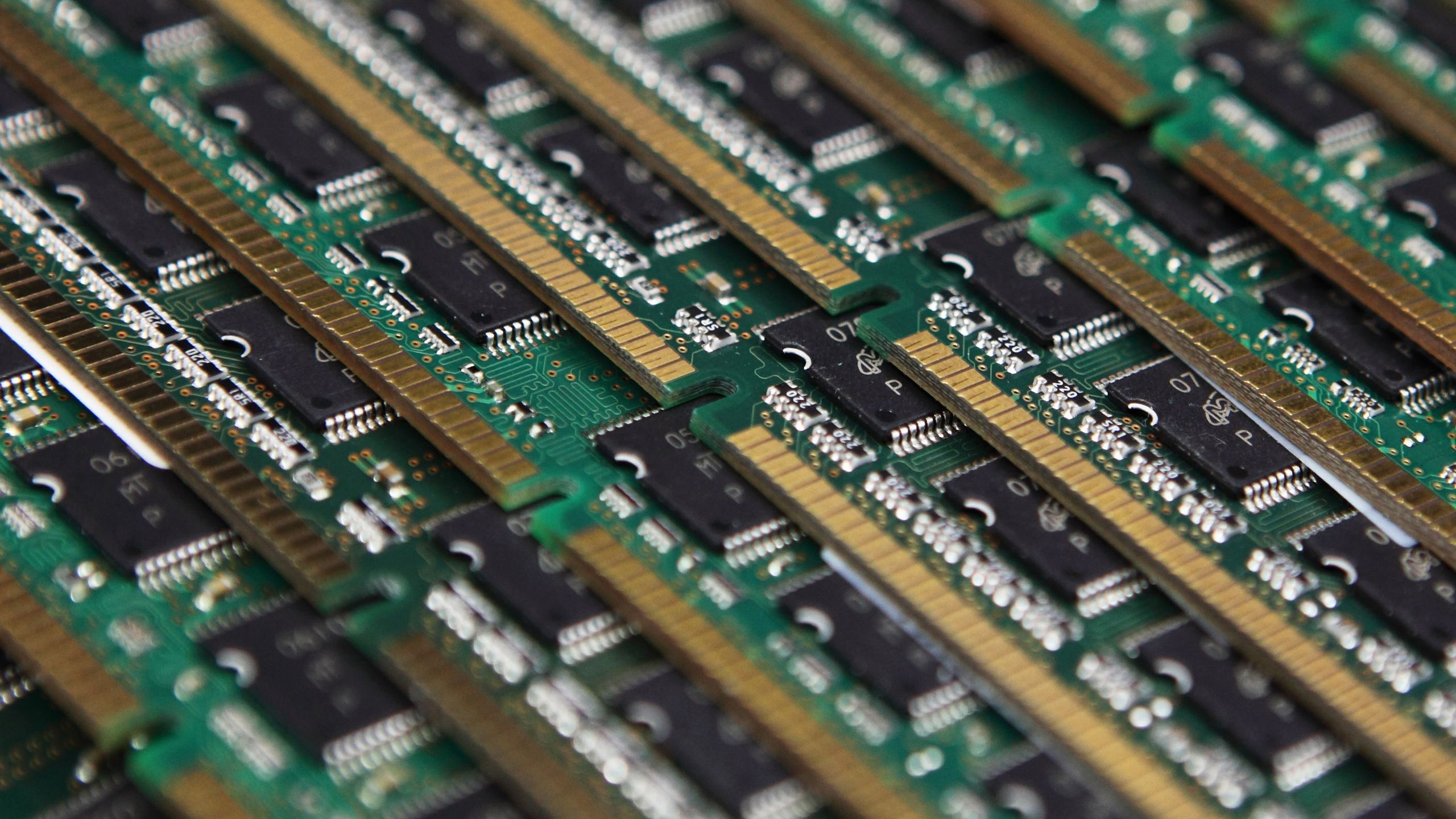
Market Dynamics: A Balancing Act Between AI and Consumer Limits

The memory market, a critical component for everything from personal computers to the burgeoning AI infrastructure, is entering a phase of recalibration. While demand for DRAM and NAND flash memory is projected to continue its upward trajectory through the third quarter of 2026, the pace of this ascent is being tempered. Analysts at TrendForce observe a cooling in the surge, primarily driven by PC and smartphone manufacturers reaching their affordability thresholds. This indicates a fundamental shift where the insatiable appetite for AI-related memory expansion is beginning to encounter the practical financial constraints of consumer electronics markets. For years, the semiconductor industry has ridden the waves of escalating demand, fueled by ever-increasing data needs and the promise of advanced computing. The recent boom in AI, particularly the development of large language models and sophisticated AI hardware, has placed unprecedented strain on memory production. This has led to a significant increase in the cost of DRAM (Dynamic Random-Access Memory) and NAND flash, the two primary types of memory chips. However, the consumer electronics sector, which forms a substantial portion of the overall memory market, is showing signs of strain. As the cost of components rises, manufacturers are increasingly hesitant to pass the full burden onto consumers, fearing a significant drop in sales volume. This creates a complex balancing act for the industry: how to satisfy the high-margin, high-volume AI sector without alienating the broader consumer base.
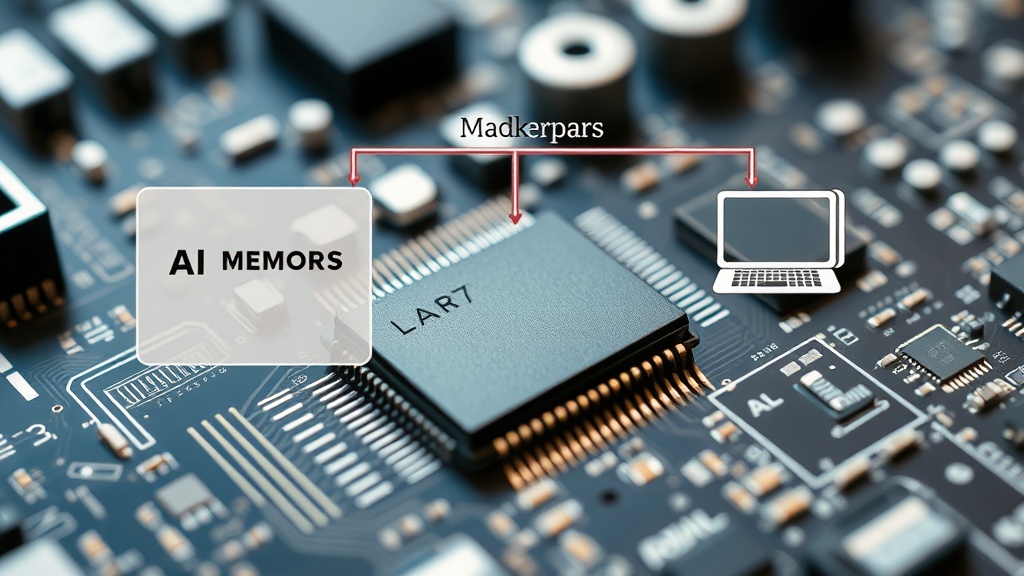
Diagram illustrating the interconnectedness of AI demand and consumer electronics in the memory market.

AI's Unyielding Demand: The Primary Growth Engine

Despite the cooling consumer-side pressures, the demand for memory driven by artificial intelligence remains robust and is the primary factor preventing a more significant price decline. AI applications, from training massive neural networks to running inference on edge devices, require vast amounts of high-bandwidth memory (HBM) and high-capacity NAND storage. The specialized nature of HBM, often stacked in intricate configurations, and the sheer volume of data processed in AI workloads necessitate cutting-edge memory solutions. Companies developing AI hardware, data centers expanding their computational power, and researchers pushing the boundaries of machine learning are all significant contributors to this sustained demand. This segment of the market is less sensitive to the immediate price fluctuations seen in consumer goods, as the performance gains and competitive advantages offered by advanced AI capabilities often justify higher component costs. The ongoing development of more sophisticated AI models and the increasing deployment of AI across various industries, including autonomous vehicles, advanced medical diagnostics, and hyper-personalized digital experiences, ensure a continuous need for memory upgrades. Chip manufacturers are thus prioritizing production capacity and technological advancements that cater to these AI-centric requirements. This strategic focus on the AI sector is a key reason why, despite the broader market pressures, overall memory prices are expected to continue their climb, albeit at a moderated pace, through mid-2026.

Consumer Electronics at a Breaking Point

The consumer electronics market, however, tells a different story. For PC and smartphone manufacturers, the rising cost of DRAM and NAND has become a significant challenge. These companies operate on tighter margins compared to the specialized AI hardware sector and are acutely aware of consumer price sensitivity. As memory costs escalate, manufacturers face a difficult decision: absorb the increased costs, thereby reducing their profit margins, or pass them on to consumers, risking a decline in sales. In many cases, particularly in the mid-range and budget segments, absorbing costs is becoming increasingly unsustainable. This affordability limit is not a new phenomenon but is exacerbated by the current market conditions. Consumers, facing their own economic pressures from inflation and global economic uncertainty, are becoming more discerning about their purchases. A significant price hike on a new smartphone or laptop, driven primarily by memory component costs, can easily deter potential buyers. This forces manufacturers to seek alternative solutions, such as optimizing existing designs, exploring alternative component suppliers (though options are limited for high-performance memory), or even scaling back on certain high-memory configurations. The result is a dampening effect on the overall demand for memory from these traditional large-volume sectors. TrendForce's projection for continued price increases through Q3 2026, therefore, represents a nuanced market forecast. It acknowledges the sustained, powerful demand from the AI sector while simultaneously recognizing the growing resistance from the consumer electronics segment. The AI-driven demand acts as a persistent upward force, while consumer affordability acts as a restraining force, preventing the rapid, unchecked price surges seen in previous cycles. This dynamic suggests a market that will likely see continued, but more measured, price appreciation, heavily influenced by the strategic decisions of major tech companies and the economic realities faced by end-users.

Future Outlook: Navigating Supply and Demand

The path forward for the memory market will be defined by how effectively manufacturers can navigate these dual pressures. Continued innovation in memory technology is essential, not only to meet the escalating demands of AI but also to find ways to produce memory more cost-effectively. This could involve advancements in manufacturing processes, novel memory architectures, or even exploring new materials. For the consumer market, the hope lies in either a stabilization of raw material costs, a significant improvement in manufacturing efficiency that can be passed on, or a shift in consumer spending priorities that allows for higher price points. For developers and engineers working with memory-intensive applications, this market trend implies a need for careful resource management and optimization. Understanding the cost-performance trade-offs will be crucial. Founders of AI startups will need to factor in potentially higher memory procurement costs into their financial models, while established tech companies will continue to weigh the strategic importance of memory supply chains against market affordability. The interplay between cutting-edge AI development and the grounded reality of consumer purchasing power will continue to shape the memory market for the foreseeable future.