
MediaTek Enters the Googlebook Arena
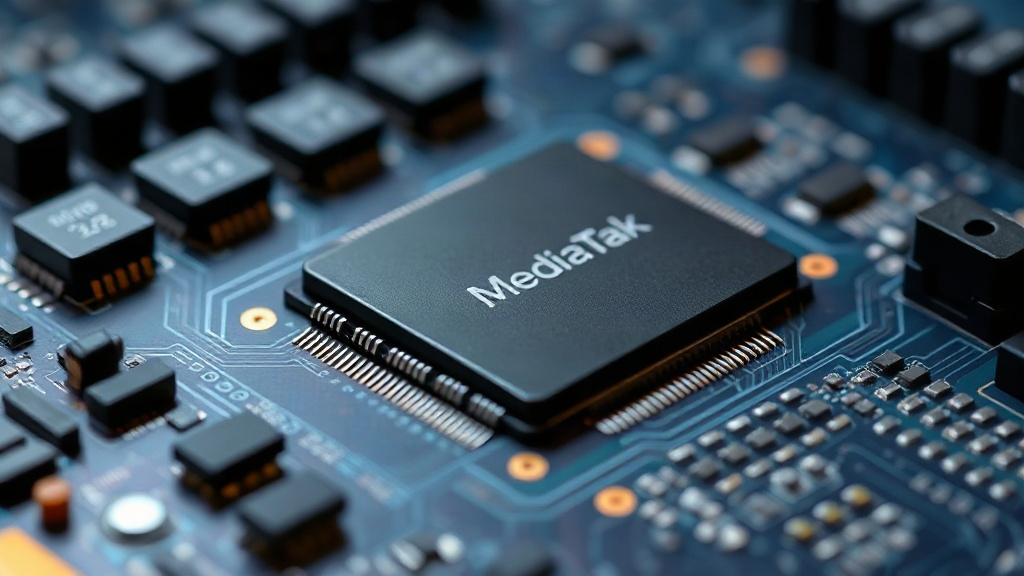
MediaTek is set to become a significant player in Google's evolving Chromebook ecosystem with its upcoming Dimensity CX C10 Max chipset. This new System-on-Chip (SoC) will power the new initiative of 'Googlebook' devices, positioning MediaTek directly alongside established silicon giants like Intel and Qualcomm in this crucial segment. The move signals MediaTek's ambition to not just compete, but to actively shape the next generation of ChromeOS-powered laptops.
The Dimensity CX C10 Max is built on an advanced 3nm process node, a testament to MediaTek's commitment to cutting-edge manufacturing. This process technology is critical for delivering both high performance and power efficiency, essential for the thin-and-light form factors typical of Chromebooks. While the exact architecture and core configurations are still under wraps, the focus on a 3nm process suggests a significant leap in computational and graphical capabilities over its predecessors.
However, the initial specifications and performance projections for the Dimensity CX C10 Max raise questions about the true innovation being brought to the table. Sources indicate that its performance will be remarkably similar to the MediaTek Kompanio Ultra 910, a chip already powering some of the higher-end Chromebook Plus devices. This presents a curious dichotomy: MediaTek claims the new chip is designed to 'elevate' the computing portfolio, yet its immediate performance targets appear to be on par with existing offerings.
Performance Parity, Not a Leap?
The Kompanio Ultra 910, a prominent chip in the current Chromebook Plus lineup, offers a robust experience for everyday computing tasks, including productivity, web browsing, and light media consumption. It features an octa-core CPU configuration, typically combining high-performance cores with efficiency cores, and an integrated Mali GPU. The expectation for the Dimensity CX C10 Max, therefore, is a refined version of this performance envelope, likely benefiting from the efficiency gains of the 3nm process rather than a radical increase in raw power. This makes the 'elevating' claim a point of contention, suggesting a focus on optimizing existing performance levels rather than pushing new boundaries.
This situation is not entirely uncommon in the semiconductor industry. Often, new chip generations leverage advancements in manufacturing processes to improve power efficiency and reduce costs while maintaining or incrementally increasing performance. For consumers, this can translate to longer battery life and potentially more affordable devices, even if the headline performance figures don't dramatically shift. For Google, securing a consistent supply of capable and power-efficient chips from multiple vendors like MediaTek, Intel, and Qualcomm is crucial for the success of its broad 'Googlebook' initiative, which aims to standardize a certain level of performance and user experience across a wide range of devices.
The Googlebook Initiative: A Strategic Play
The 'Googlebook' initiative itself is a strategic move by Google to further solidify the Chromebook market. By establishing a clear set of performance and feature standards, Google can ensure a more consistent and reliable user experience, differentiating these devices from lower-end, less capable Chromebooks. The inclusion of MediaTek, a company known for its aggressive pricing and broad market reach, alongside Intel and Qualcomm, suggests a strategy to foster competition and ensure supply chain diversity. This is particularly important for a platform that aims for mass adoption.
For MediaTek, powering Googlebook devices represents a significant opportunity. It validates their investment in advanced mobile chip technology and provides a strong platform for showcasing their capabilities in the PC space. The success of the Dimensity CX C10 Max in these devices could pave the way for broader adoption of MediaTek's PC SoCs in the future, potentially challenging the long-standing duopoly of Intel and AMD in the traditional PC market.
The real test for the Dimensity CX C10 Max will be its real-world performance, battery life, and thermal management within the specific chassis and software environment of Googlebook devices. While benchmarks and specifications provide a baseline, the integrated experience is what ultimately matters to users. If MediaTek can deliver a compelling blend of performance, efficiency, and affordability, the Dimensity CX C10 Max could become a quiet but essential component in the next wave of accessible and capable laptops.
Broader Implications for the Ecosystem
The collaboration between Google, MediaTek, Intel, and Qualcomm for the Googlebook initiative highlights a maturing Chromebook market. It's moving beyond budget-friendly machines to a more defined tier of devices offering a guaranteed level of performance. This standardization benefits consumers by simplifying choices and assuring quality. For MediaTek, it's a chance to prove its mettle against seasoned PC silicon vendors, leveraging its mobile expertise in a new arena.
What remains to be seen is how this initiative will influence the broader PC market. Will other manufacturers adopt similar tiered approaches? Will MediaTek's continued push into laptops eventually disrupt the established players in the x86 architecture space, or will it remain a strong contender primarily within the ARM-based ChromeOS segment? The success of Googlebook, and by extension the Dimensity CX C10 Max, will offer crucial insights into these evolving dynamics.