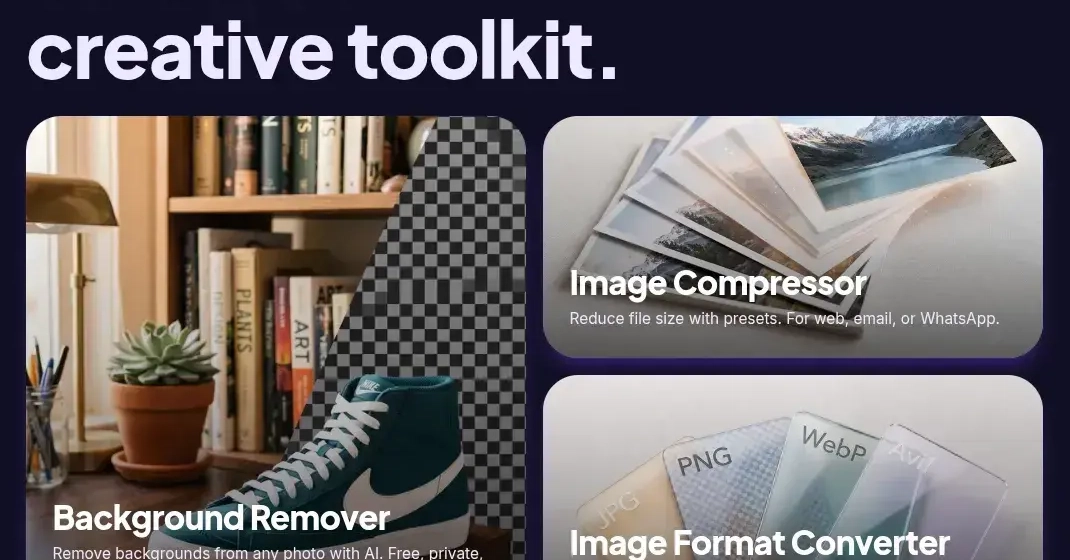
The daily grind for web developers, designers, and content creators often involves a tedious dance with image files. Compressing JPEGs for faster website loading, converting PNGs to the modern WebP format, removing backgrounds from product shots, transforming HEIC files into universally accepted formats, or even converting animated GIFs to animated WebPs—these are not isolated tasks. They are recurring necessities that, until now, demanded juggling multiple disparate online tools.
Sriharsha Gangisetty, a developer who experienced this friction firsthand, decided to consolidate these common image manipulation workflows into a single platform. The result is MediaShed, a new web application designed to streamline these processes, saving users time and reducing the frustration of context-switching between various single-purpose tools.
The Problem: A Fragmented Image Workflow
Gangisetty's frustration stemmed from a common developer pain point: the lack of an integrated solution for everyday image tasks. He describes a scenario where a single project might require using TinyPNG for compression, Squoosh for individual file adjustments, remove.bg for background removal (often with a watermark for free users), and CloudConvert for batch processing. Each tool excels in its niche but fails to address the broader needs of a typical workflow. Uploading files to multiple sites, dealing with registration walls, and the inability of many tools to handle animated formats like animated WebP or AVIF added to the inefficiency.
The core issue, as Gangisetty points out, is that these tasks, while technically distinct, often belong to the same logical workflow. A designer might need to compress an image, remove its background, and convert it to WebP—all for the same product listing. Forcing users to navigate between three or four different websites, each with its own interface and limitations, is a significant drain on productivity. Furthermore, the prevalence of watermarks on free tiers or the need to upload entire batches of files to cloud services further complicates the process, raising privacy and efficiency concerns.
MediaShed's Solution: Three Tools in One
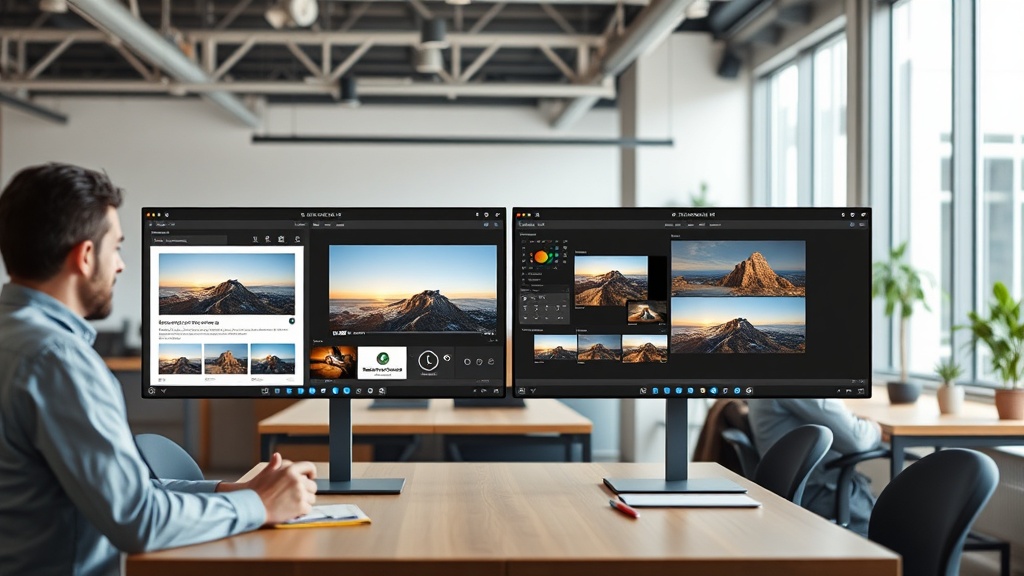
To combat this fragmentation, MediaShed offers a unified interface that brings together three critical image manipulation functionalities: compression, background removal, and format conversion. The platform aims to provide a seamless experience where users can perform multiple operations on their images without leaving the site.
The image compressor feature is designed to optimize file sizes without significantly degrading visual quality, a crucial step for web performance and user experience. This is particularly important for websites dealing with large volumes of imagery, where even small percentage gains in compression can lead to substantial improvements in loading times and reduced bandwidth costs. Unlike some tools that might offer aggressive compression at the expense of detail, MediaShed focuses on providing effective optimization that balances quality and size.
Background removal is another core function. This feature is invaluable for product photography, graphic design, and creating clean visuals for marketing materials. Gangisetty's approach likely aims to offer a more accessible or integrated alternative to existing services, potentially avoiding the watermarking issues or complex subscription models that plague some standalone background removal tools. The ability to do this within the same platform as compression and conversion means a designer can take a raw product shot, remove the background, and then compress the resulting transparent image for web use, all in one go.
Finally, the format conversion capability addresses the growing need to support modern image formats like WebP and AVIF, which offer superior compression and features compared to older formats like JPEG and PNG. MediaShed supports conversion between a variety of formats, including the ability to handle animated WebPs and potentially other animated formats. This is a significant advantage, as many tools still struggle with animated image conversions, often treating them as static images or failing to support newer formats altogether. The inclusion of AVIF support, in particular, positions MediaShed as a forward-looking tool for web optimization.
The Developer's Perspective: Building to Solve a Pain
The genesis of MediaShed highlights a common pattern in software development: the best solutions often arise from personal necessity. Gangisetty's decision to build the tool himself, rather than continue searching for an adequate existing solution, underscores the value of addressing real-world friction points. This approach ensures that the tool is built with a deep understanding of the user's needs and workflows.
The