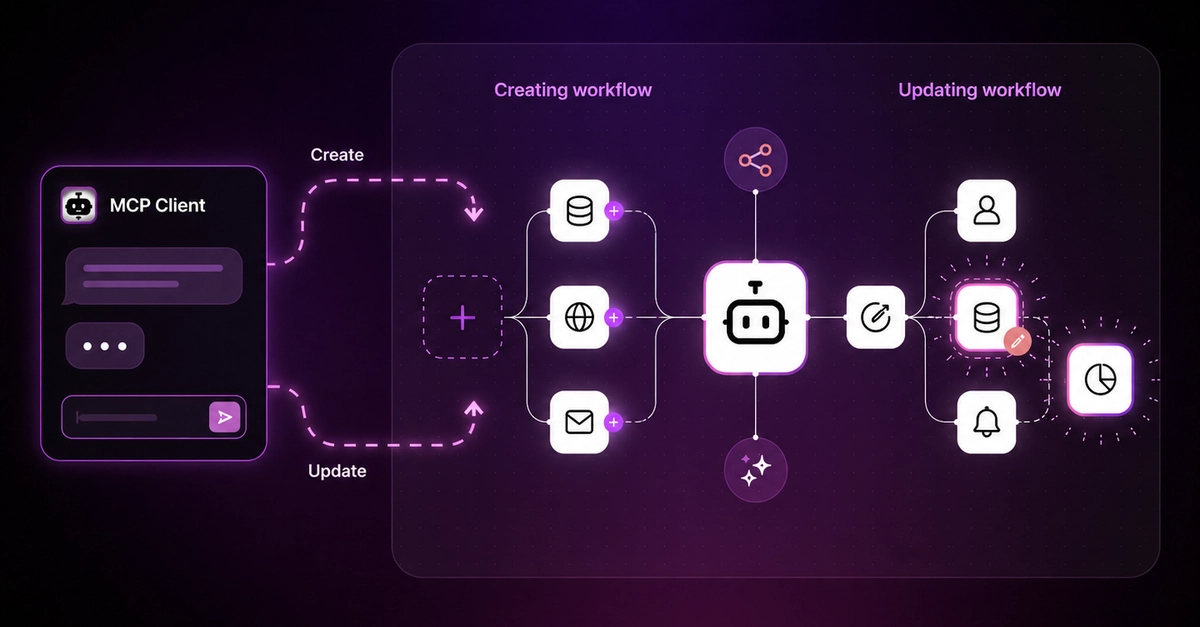
The Persistent Bottleneck in Modern Development: Website Feedback
Development teams have embraced rapid iteration. Continuous Integration and Continuous Deployment (CI/CD) pipelines, automated testing suites, sophisticated feature flag management, and AI-assisted coding are now standard. These advancements allow for releases multiple times per week. Yet, a surprising inefficiency persists: the collection and processing of website feedback. Clients still resort to email with screenshots, designers drop comments into disparate Slack channels, and QA engineers manually create tickets. Developers then face the laborious task of piecing together context – pinpointing the exact location and circumstances of an issue before they can even begin to address it.
This fragmented feedback loop not only delays bug fixes but also introduces friction into an otherwise streamlined development process. The disconnect between the user's experience and the developer's understanding of the problem represents a significant drag on productivity and product quality.
Introducing the Model Context Protocol (MCP)
As Artificial Intelligence becomes more deeply embedded in software development, a new technology is emerging to tackle this specific challenge: the Model Context Protocol (MCP). MCP aims to fundamentally change how website feedback is handled by providing AI systems with the crucial context surrounding a reported issue. This moves beyond simple bug reports to a more intelligent, integrated understanding of user-reported problems.
Think of traditional bug reporting like a detective receiving a single clue – a blurry photo of a car. They know a car was involved, but not the make, model, color, or where it was going. MCP is like giving that detective a full dossier: the photo, the driver's description, traffic camera footage, and GPS data. It equips AI with the necessary information to not just identify a problem, but to understand its environment and implications.
How MCP Works: Unifying Feedback Streams
MCP operates by ingesting feedback from various sources – emails, Slack messages, direct bug reports, and even in-app feedback tools – and structuring it. The protocol then enriches this feedback with relevant contextual data. This context can include:
- User Session Data: Information about the specific user session during which the issue occurred, such as browser version, operating system, screen resolution, and user interactions leading up to the bug.
- Page and Element Information: Details about the specific webpage, the DOM elements involved, and their state at the time of the report.
- Feature Flag Status: Whether the reported issue occurred on a page with specific feature flags enabled or disabled.
- Deployment Information: The specific version of the application or website that the user was interacting with.
- Related Code Commits: Potentially linking the reported issue to recent code changes that might have introduced it.
By consolidating and structuring this information, MCP allows AI models to gain a comprehensive understanding of the bug. Instead of a developer receiving a vague report like "the button doesn't work on the checkout page," an AI processing MCP-enhanced feedback could provide:
- The exact button element that failed.
- The user's browser and OS, identifying if it's an environment-specific issue.
- The sequence of actions the user took before the button failed.
- Whether the user was part of a specific A/B test or feature flag group.
- Recent code commits related to the checkout page's UI or functionality.
Benefits for Development Teams
The implications of MCP for website QA and development workflows are significant:
Reduced Triage Time
Developers spend less time investigating where and how an issue occurred. The enriched context provided by MCP drastically cuts down on the manual effort required to reproduce bugs, allowing teams to jump straight into fixing them.
Improved Accuracy of Bug Reports
Manual ticket creation is prone to human error and information loss. MCP automates the capture of critical details, ensuring that bug reports are more accurate and complete from the outset.
Enhanced Collaboration
By providing a unified, context-rich view of feedback, MCP can improve communication between QA, development, design, and product teams. Everyone works from the same set of detailed, actionable information.
Smarter AI Integration
MCP is designed to be consumed by AI. This allows for more sophisticated analysis, such as automatically prioritizing bugs based on user impact, identifying patterns across multiple reports, or even suggesting potential root causes based on historical data and code changes.
Faster Release Cycles
Ultimately, by streamlining the feedback and bug-fixing process, MCP contributes to faster and more reliable release cycles. Teams can confidently deploy changes knowing that issues will be identified, understood, and resolved more efficiently.
The Future of QA and AI
MCP represents a crucial step in integrating AI into the core of the software development lifecycle. It addresses a long-standing pain point by making unstructured feedback machine-readable and contextually aware. As more tools and platforms adopt MCP, we can expect a future where AI plays an even more active role in quality assurance, moving beyond simple test automation to intelligent issue analysis and resolution.
What remains to be seen is the extent to which MCP will become an industry standard. Its success will depend on broad adoption and seamless integration with existing CI/CD tools and bug-tracking systems. However, the potential to transform a notoriously inefficient part of development makes MCP a protocol to watch closely.